

 ChatGPT
 Perplexity
 Gemini
 Claude
 Grok
Grok
Emoji, Animoji, Memoji, and Bitmoji are used interchangeably in conversation, but they are four different things. An emoji is a static icon anyone can send from any phone. Animoji is an animated character that copies your facial expressions. Memoji is that same technology wearing your own customized face. Bitmoji is a cartoon avatar you build once and drop into any chat.
Only two of the four need special hardware. Animoji and Memoji require an Apple device with a TrueDepth camera, which is why they behave differently outside iMessage. Bitmoji runs on both iOS and Android, but it does not track your face at all — it is a sticker library built around a character you design.
This guide explains what each one is, then compares all four side by side so you can tell at a glance which of them you actually have on your phone.
What you will learn:
- What an emoji is, and how many of them are standardized today.
- How Animoji maps your facial expressions onto an animated character.
- Why Memoji is best understood as a personalized Animoji.
- What makes Bitmoji different from all three.
- A side-by-side comparison of platform, animation, and customization.
- How to put emoji of your own into your videos, not just your texts.
Emoji and emoticons have a long history within digital communication, internet culture, and digital content. Today they have evolved into animated variants — emoji, Bitmoji, Animoji, and Memoji — and all of them have become an important communication tool in the online world, especially on social apps like Facebook, Instagram, and Snapchat. If you are confused between them, this guide will sort it out.
In this article:
- 1. What Is Emoji?
- 2. What Is Animoji?
- 3. What Is Memoji?
- 4. What Is Bitmoji?
- What's the Difference Among Emoji, Memoji, Animoji, and Bitmoji?
- How to Add Emoji to Your Videos with Filmora
1. What Is Emoji?
Anybody with a smartphone should know what an emoji is. Open up your keypad, and the ideograms and smileys present there are called emojis.
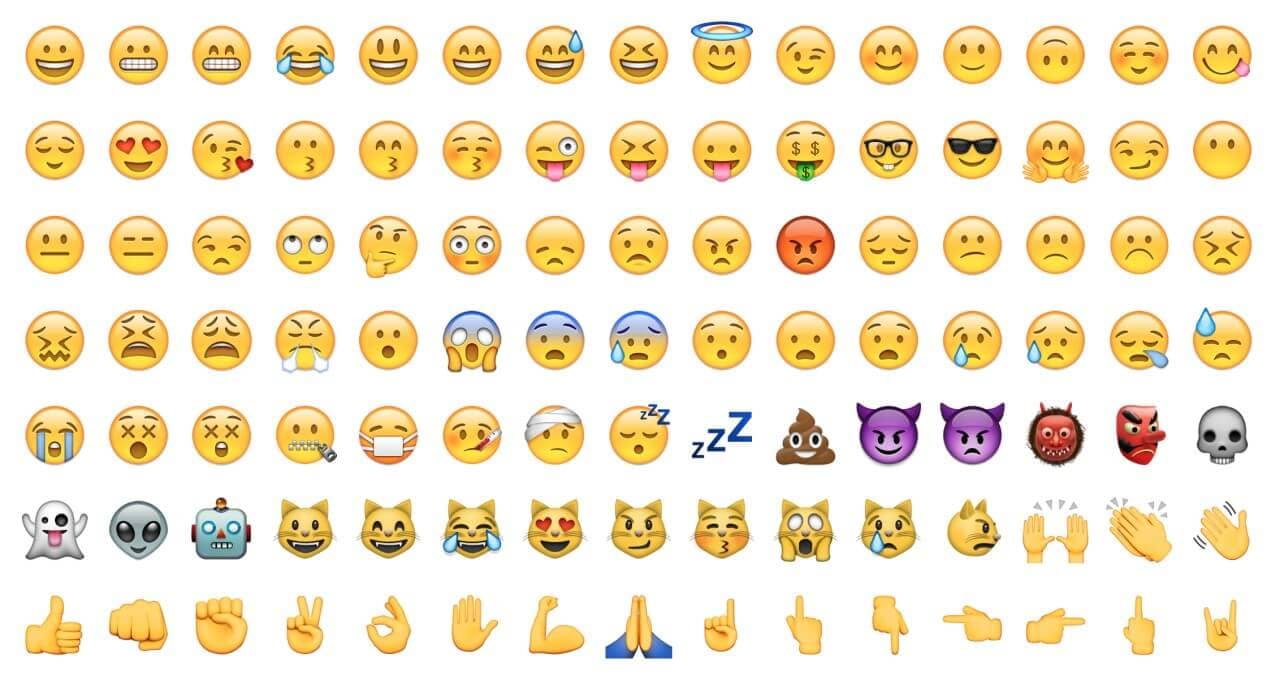
We can say that emojis are an advanced form of emoticons, but instead of typographic expressions, they are in the form of pictures. In simple words, an emoji is a small digital icon or image that expresses your emotions or ideas.
Emojis are widely used in our day-to-day communications through electronic messages and web pages. The emojis on our mobile phones exist in various genres, including facial expressions, places, food items, types of weather, animals, and other everyday objects.
Over the years, the emoji lexicon has constantly evolved to become all-inclusive as emojis are for everyone. Nowadays, emojis can be used across cultures, across screens, and across time. Whether you are white or black, Muslim or Christian, or gay or transgender, there is an emoji representing you and your culture.
The set keeps growing, too. Unicode 17.0, released in September 2025, put the running total at 3,954 standardized emoji — nearly a thousand more than the number usually quoted in older articles, and a reminder that any emoji count you read is tied to a Unicode version.
2. What Is Animoji?
Animojis are popular on iOS devices. Apple devices include an animated emoji feature that is called Animoji. Animoji is a 3D animated emoji that responds to your facial expressions. You can create emojis on your phone using the front camera Face ID system.
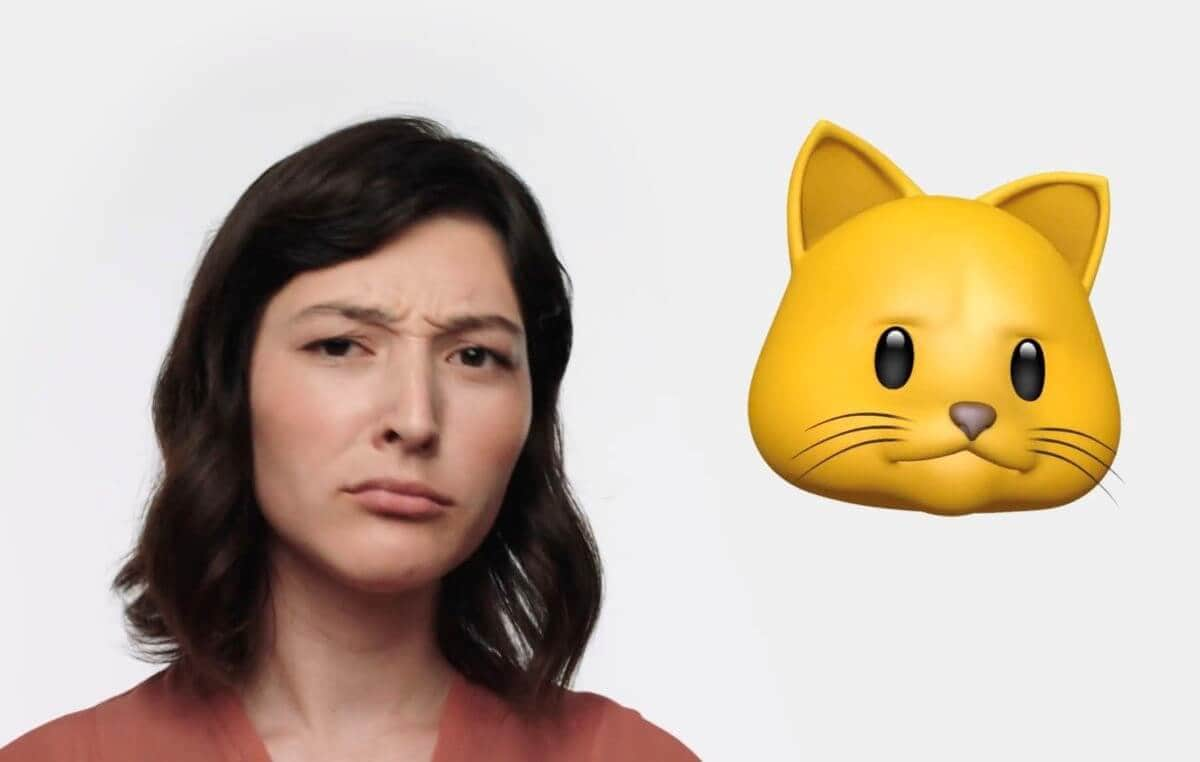
Animoji is created with the facial ID software allowing the screen to record and register your facial expressions and movements. The animojis recognize and copy your facial movements like pouting, lowering an eyebrow, or rolling your eyes.
Thus, Animoji is a customized or personalized animated emoji. Animojis have a range of expressions, and they also mimic to match the audio. The set of Animoji characters includes alien, boar, bear, cat, cow, dog, chicken, fox, dragon, rabbit, and many more.
Furthermore, Animojis can be shared as a video (with sound) via different messaging apps like WhatsApp and Facebook Messenger.
3. What Is Memoji?
Animojis evolve into Memojis. In simple words, Memojis are personalized Animojis. Such Animojis are 3D animated emojis that look exactly like you, or an animated version of you.
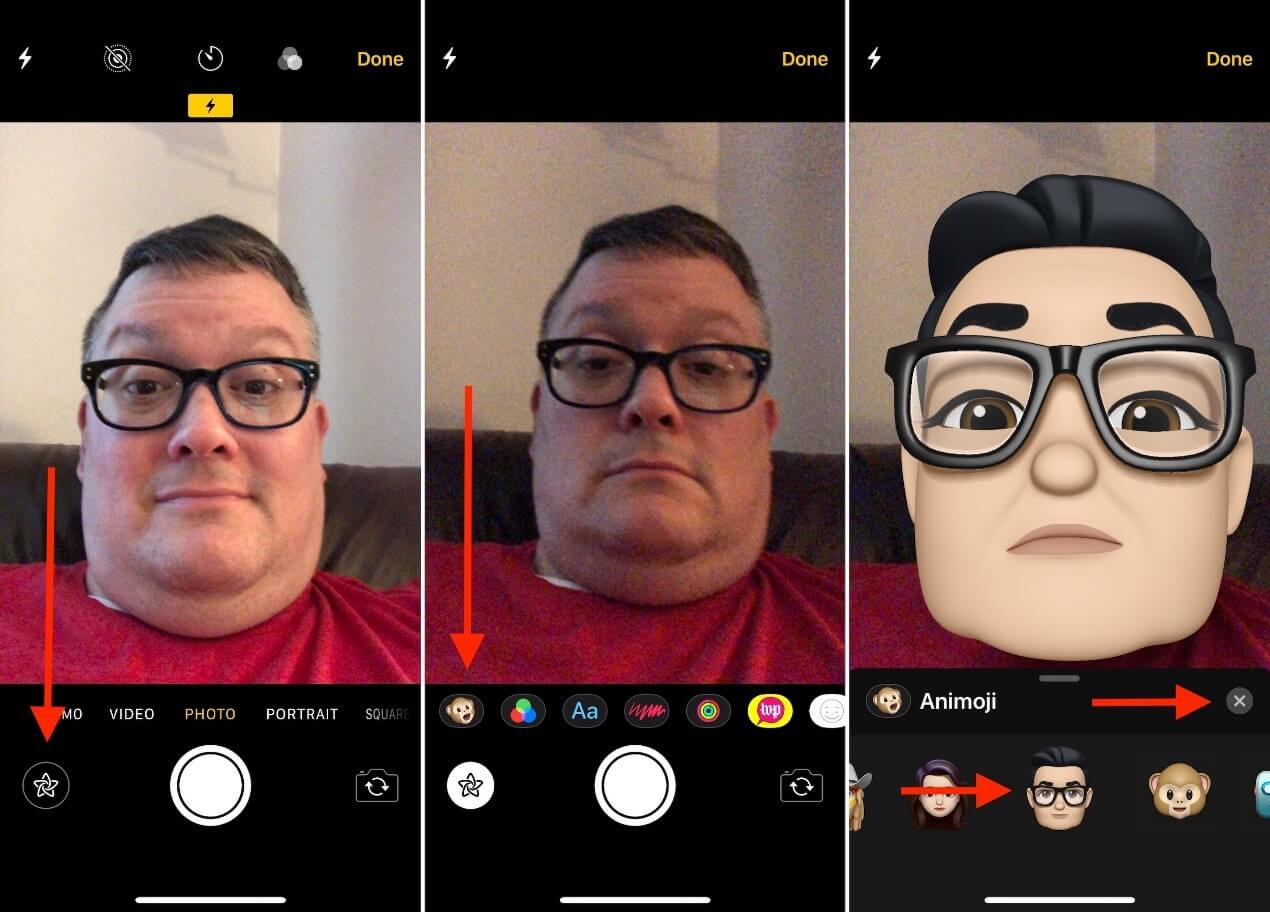
Memoji was first introduced by Apple, where the iPhone Face ID camera system creates your avatar copying your facial expressions in real-time recording. Some high-end Android devices have also introduced the Memoji feature, like the Samsung AR emoji.
The best thing about Memojis is that you can completely customize them to suit you. From changing the shape of the head to brows, and hair color to eye color, you can make your Memoji look like you as much as possible.
Like other emojis, Memojis can also be shared on different popular messaging apps like WhatsApp, Facebook, and Instagram.
4. What Is Bitmoji?
If you are an avid Snapchat user, then you must know what a Bitmoji is. Bitmojis are like Memojis, but they belong to the Bitmoji app owned by Bitstrips.
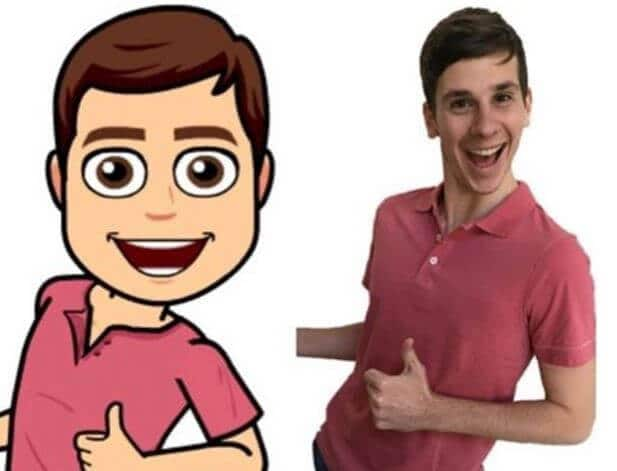
Bitstrips is a company that makes personalized emojis and cartoon avatars. It was founded in 2007, and Snapchat acquired it in 2016 — then introduced Bitmoji as a feature inside the Snapchat app. Over the years, Snapchat released new versions, and now it fully supports Bitmojis. Thus, all Snapchat users can create their own personal emojis using the Bitmoji app.
Bitmojis are customizable to a great extent, allowing you to create your own cartoon version. You can also choose from a massive library of different moods and expressions featuring your avatar.
You can also share your little cartoon versions of Bitmojis on different social media accounts. Moreover, you can put them into any chat message, or even a status update.
What's the Difference Among Emoji, Memoji, Animoji, and Bitmoji?
While these terms are often used interchangeably, they represent distinct digital expression tools with unique characteristics. The key differences lie in platform availability, animation, and customization.
| What it is | How it is made | Where it works | Animated? | |
|---|---|---|---|---|
| Emoji | A static icon or image that expresses an emotion or idea | Selected from the standard keyboard — nothing to build | Every device and operating system | No |
| Animoji | A 3D animated character that mirrors your expressions | Recorded live with the TrueDepth camera on a supported iPhone | Apple only; shared as video clips | Yes, in real time |
| Memoji | A personalized 3D avatar that looks like you | Designed feature by feature, then animated the same way as Animoji | Apple only; Samsung offers a similar Galaxy Avatar | Yes, in real time |
| Bitmoji | A 2D cartoon avatar placed into pre-made poses | Built once from a selfie, then customized with outfits and moods | iOS, Android, and web; integrates with Snapchat and chat apps | No — it is a sticker library |
The main distinction in functionality is animation and interaction. Emojis remain static images, perfect for quick universal communication. Animoji and Memoji use advanced facial recognition to create real-time animations that mirror your expressions, movements, and voice — ideal for sending dynamic video messages. Bitmoji avatars are typically static illustrations selected from pre-designed scenarios, though they offer more customization options and work across multiple social platforms.
The short version: choose an emoji for universal compatibility, Animoji or Memoji for real-time animation on an Apple device, and Bitmoji for cross-platform cartoon personalization.
How to Add Emoji to Your Videos with Filmora
Emoji are not only for messages. They work in video too — and that is where a dedicated editor beats a keyboard. Wondershare Filmora offers two features that map directly onto what this article is about.
- AI Emoji (Filmora app, iOS and Android): the app reads the captions in your video and generates a matching emoji for each word or segment, so you are not hunting through a keyboard mid-edit. You keep full control of placement, duration, and size, and you can swap any generated emoji for one from the built-in library. It is the closest thing to having your emoji chosen for you.
- AI Sticker Generator (Filmora desktop, Windows and macOS): describe the sticker you want in a text box, and Filmora generates four versions to choose from — from the same category of playful, expressive imagery that Bitmoji and Memoji cover, but for your video timeline rather than a chat thread.
How to add emoji to a video with the Filmora app:
- Step 1. Open the Filmora app and tap the More Tools icon.

 secure download

- Step 2. Select the AI Emoji feature and import the video you want to work on.
- Step 3. Confirm that AI Emojis is enabled under the AI Packaging tab, then tap Add Captions to generate captions and caption-relevant emoji together.
- Step 4. Pick a template and press Project Editing, then drag any emoji in the preview to reposition it. Emoji are segmented one per word, so each one can be adjusted on its own.
- Step 5. Open the Emoji section to replace an emoji from the library, or tap the Nill icon to remove one from a specific word or caption.
- Step 6. Tap the tick to save your changes, then hit Export in the top-right corner.
If you want to go further, Filmora also turns a single photo into an animated 3D avatar video using its AI Image-to-Video templates — a way to get the Memoji feel on a device that does not have a TrueDepth camera. Read the full walkthrough in the AI Emoji guide, and see the desktop emoji maker comparison for the other options.
Conclusion
If it weren't for emojis, the online messaging world would be so boring. They add a touch of fun to digital communication. Whether you are sending a 3D animoji or exploring the personal memoji meaning, these icons express our emotions perfectly.
Thus, they have become the language of the digital era. To bring this creativity to your videos, try the video editor. Add fun stickers and effects to your content — try Wondershare Filmora now to lighten the mood and make every story unforgettable.
You may also like:
- Best AI Emoji Generators to Create Custom Emojis
- How to Add Emojis in Adobe Premiere Pro
- How to Make an Emoji of Yourself
Add Emoji and Effects to Any Video — Filmora
An easy yet powerful editor
Numerous effects to choose from
Detailed tutorials provided by the official channel
Frequently Asked Questions
What is the difference between Memoji and Bitmoji?
Memoji are personalized 3D animated emojis created using Apple's Face ID camera system, designed to look like you. Bitmoji, on the other hand, are personalized cartoon avatars created through the Bitmoji app, which is owned by Bitstrips and integrated into Snapchat.
Are there animated emojis that move on WhatsApp?
Yes. Both Animoji and Memoji, which are animated emojis that respond to facial expressions, can be shared as videos with sound on messaging apps like WhatsApp.
How do emojis differ from Bitmoji?
Emojis are small digital icons or images that express emotions or ideas, found on standard mobile keypads. Bitmoji are personalized cartoon avatars created through a dedicated app, offering a higher degree of customization to resemble the user.