
 TL;DR:
Linux users can build effective video editing workflows using free tools like Shotcut and OpenShot for simple drag-and-drop tasks, or switch to Kdenlive, Blender, and Lightworks for advanced multi-track and 4K production.
● Advanced open-source editors like Kdenlive and Blender support complex visual effects and proxy workflows but require a multi-core CPU, a dedicated GPU, and 8GB to 16GB of RAM to prevent rendering lag.
● Lightworks provides a professional-grade environment for multicam projects but restricts its free version to a maximum export resolution of 720p.
● Avidemux and Pitivi are optimized for rapid clipping and basic format conversion on lower-end hardware, whereas Wondershare Filmora is strictly incompatible with Linux and requires a Windows or Mac system.
Ask AI for a summary
 ChatGPT
 Perplexity
 Gemini
 Claude
 Grok
Grok
The best free Linux video editors include Kdenlive, Shotcut, OpenShot, Blender, and Lightworks. These tools allow Linux users to edit videos with features such as timeline editing, transitions, video effects, and multi-track support. Most of them are open-source and work on popular distributions like Ubuntu, Linux Mint, and Fedora.
If you are looking for reliable Linux video editing software to create YouTube videos, home movies, or professional content, there are several powerful options available. In this guide, we introduce 10+ free Linux video editors, including beginner-friendly tools and advanced editing software suitable for professional creators.
Are you also looking for video editors for Windows, Mac, mobile phone, or online? Check our latest post, 36 Best Video Editors for All the Platforms.
If you don't want a Linux video editor but a powerful video editing tool for your Win or Mac, you can try Wondershare Filmora to edit your movies by trimming, cropping, splitting, rotating, and flipping your videos with various effects, even sharing on YouTube directly with high compatibility of input and output formats.
 Secure Download
See what else Wondershare Filmora can do for you:
- Wide support for different formats, including MP4, AVI, MOV, AVCHD, MKV, and more.
- Up to 100 Audio and Video Tracks: organize your project and layer media for green-screen effects, picture-in-picture, or blending.
- Proxy workflow: edit with proxy media allows you to speed up hi-res footage, even in a low-capacity device.
- Enables you to crop, trim, cut, split, and combine in a few clicks and make time-lapse videos.
- Customize video resolution, bit rate, frame rate, and other settings of your video.
- Amounts of stunning effects for different niches at your choice, including motion elements, animated titles, royalty-free music, and transitions.
- Make exciting GoPro/action cam videos with precise speed controls, video stabilization, and fish-eye lens correction.
- Easier to create 1:1 square ratio videos for Instagram.
- Save the edited video to any popular video format or fit to the mobile device.
Best Free Linux Video Editors Compared: 11 Popular Tools
The following table compares some of the most popular Linux video editing software based on features, difficulty level, and supported distributions.
| Video Editor | Open Source | Best For | Supported Linux Distros | Difficulty Level |
|---|---|---|---|---|
| Kdenlive | Yes | Advanced video editing | Ubuntu, Fedora, Debian | Medium |
| Shotcut | Yes | Beginner-friendly editing | Ubuntu, Mint, Fedora | Easy |
| OpenShot | Yes | Quick and simple editing | Ubuntu, Mint | Easy |
| Blender | Yes | 3D animation & VFX | All major distros | Hard |
| Lightworks | No | Professional editing | Ubuntu | Medium |
| Pitivi | Yes | Simple timeline editing | Ubuntu, Fedora | Easy |
| Avidemux | Yes | Basic cutting & encoding | Ubuntu, Debian, Fedora | Easy |
| Cinelerra | Yes | High-precision editing | Ubuntu, Debian | Hard |
| LiVES | Yes | Real-time video performance | Ubuntu, Debian | Medium |
| Flowblade | Yes | Multitrack editing | Ubuntu, Debian, Mint | Medium |
| Vivia | Yes | Multi-camera editing | Ubuntu | Easy |
Top 11 Linux Video Editors
Kdenlive
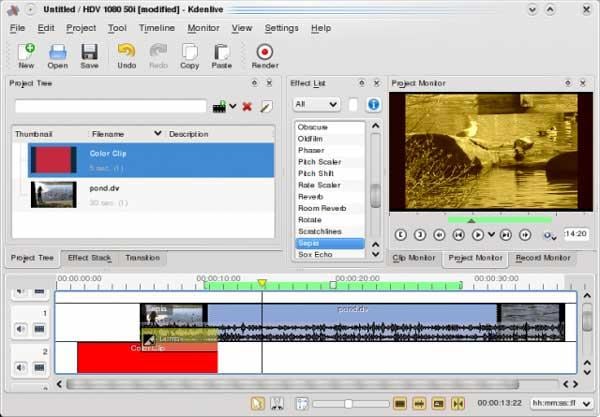
Kdenlive is a free and open-source video editing software and is available for GNU/Linux, FreeBSD, and Mac Os X. It offers great video editing functions like cutting, splitting, transitions, video effects, copy-paste, etc. Also, it supports a lot of file formats. It supports a wide variety of file formats and a wide range of camcorders and cameras.
Key Features of Kdenlive
- Multi-track timeline editing for complex projects
- Proxy workflow for smoother high-resolution editing
- Wide range of transitions, effects, and title tools
- Supports keyframe animation and audio/video effects
- Broad codec and format compatibility through FFmpeg
Pros
- Free and open-source
- Powerful enough for advanced editing
- Strong community support
Cons
- Can feel complex for first-time users
- Performance may vary on lower-end hardware
- Interface may require some learning
System Requirements
- 64-bit Linux system
- Multi-core CPU recommended
- At least 8GB RAM recommended for HD editing
- Dedicated GPU helpful for smoother playback and rendering
- Ample free storage for cache and project files
Supported Formats
MP4, MOV, AVI, MKV, WebM, MPEG, WAV, MP3, AAC, FLAC, PNG, JPG, and many more through FFmpeg support.
Best Use Cases
- YouTube video editing on Linux
- Multi-layer editing projects
- 4K video editing with proxy workflow
- Creators who want a professional open-source editor
Shotcut
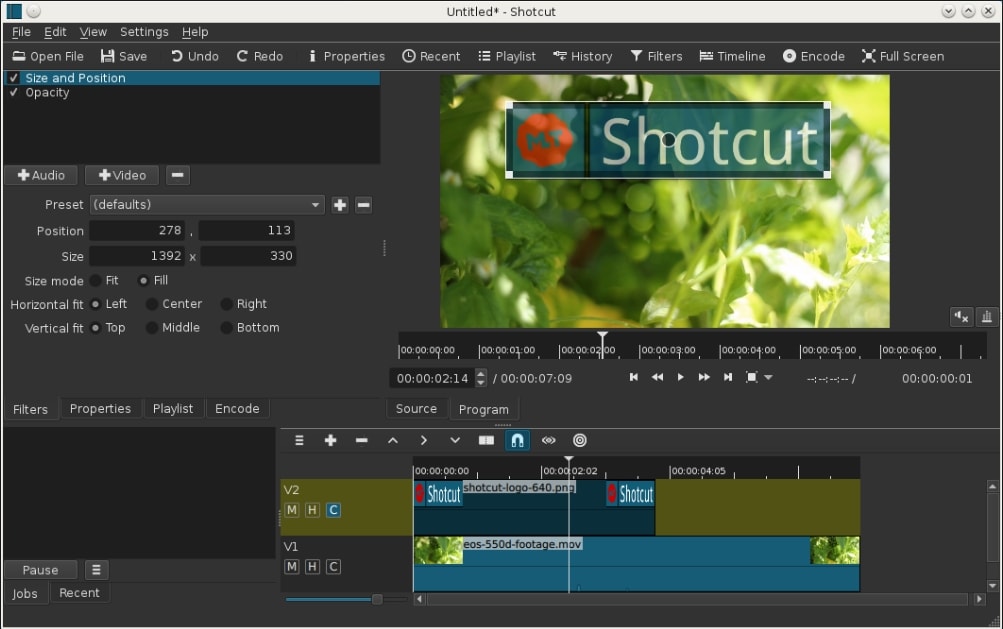
Shotcut is another video editing software for Linux, and it is an interesting one because its UI looks more like a media player than an editor. The software makes editing videos very simple with the set of awesome features. It will work just fine for basic uses, but if you need more powerful options, especially for advanced or professional video or audio recording, then it may not be the best. However, with the features it has, it qualifies as a decent video editor for Linux.
Key Features of Shotcut
- Clean interface suitable for beginners
- Native timeline editing with drag-and-drop support
- Wide format support without importing conversion
- Built-in filters for audio and video enhancement
- 4K editing support and webcam/audio capture features
Pros
- Free and open-source
- Easy to start using
- Good format compatibility
Cons
- Fewer advanced workflow tools than pro editors
- Interface can feel basic for complex work
- Some features take time to discover
System Requirements
- 64-bit Linux distribution
- Dual-core CPU minimum, multi-core recommended
- 4GB RAM minimum, 8GB or more recommended
- GPU recommended for better preview performance
- Enough disk space for exported files and cache
Supported Formats
MP4, MOV, AVI, MKV, WebM, MPEG, GIF, WAV, MP3, AAC, FLAC, and popular image formats through FFmpeg.
Best Use Cases
- Beginner-friendly Linux video editing
- Simple YouTube videos and tutorials
- Basic color correction and audio cleanup
- Users who want free editing without a steep learning curve
Pitivi
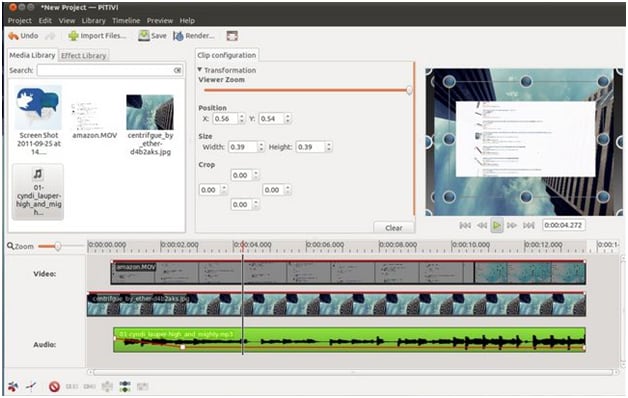
Pitivi is a Non-linear video editor and also open-source software that is freely available. For intuitive video editing, this software is designed. It supports simple features i.e. snapping, trimming, splitting, and clip cutting. Pitivi curves system supports audio mixing feature. It has the ability to use keyboard shortcuts and scrubbers. In this video and audio can be linked together, which is a great advantage. It is the first open-source video editor that support the MEF- material exchange format. Pritivi's user-friendly interface gives drag and drop, direct manipulation, reducing complexity and native theme navigation. This software can be translated into several languages. It also has user manual support.
Key Features of Pitivi
- Simple non-linear editing interface
- Timeline trimming, splitting, and snapping tools
- Audio and video linking support
- Keyboard shortcuts for faster editing
- Designed for intuitive drag-and-drop editing
Pros
- Open-source and lightweight
- User-friendly layout
- Good for simple editing tasks
Cons
- Less powerful than advanced editors
- Smaller feature set for professionals
- May not suit heavy multi-track workflows
System Requirements
- 64-bit Linux system
- Modern processor recommended
- 4GB RAM minimum
- More RAM recommended for larger projects
- Storage space for project media and temporary files
Supported Formats
Common formats such as MP4, MOV, AVI, MKV, WebM, MP3, WAV, AAC, JPG, and PNG depending on system codecs and GStreamer support.
Best Use Cases
- Simple home video editing on Linux
- Beginner projects and school assignments
- Quick timeline editing without advanced complexity
- Users who prefer a clean interface
Avidemux
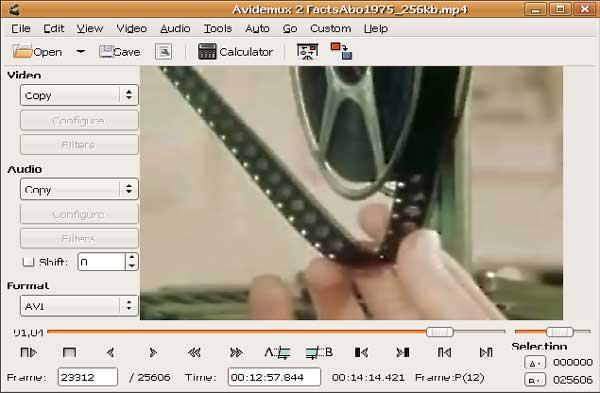
Avidemux is a free, open-source video editing software designed mainly for simple cutting, splitting, merging, filtering, encoding, etc. It is a cross-platform free video editing software and supports various file formats with different codecs such as AVI, MPEG, MP4, ASF, etc. With it, you can easily edit your videos and output the edited videos for your iPhone, iPad, iPod, PSP, etc.
Key Features of Avidemux
- Fast cutting, trimming, and splitting tools
- Video filtering and encoding support
- Simple interface for quick editing tasks
- Automation support through projects and scripting
- Useful for format conversion and lightweight edits
Pros
- Lightweight and fast
- Great for basic editing and encoding
- Easy for quick file processing
Cons
- Not ideal for advanced timeline editing
- Limited creative effects compared to modern editors
- Interface looks outdated
System Requirements
- Linux system with GUI support
- Low to moderate CPU requirements
- 2GB RAM minimum, 4GB recommended
- No high-end GPU required for basic editing
- Storage space for exported files
Supported Formats
AVI, MP4, MPEG, MKV, ASF, MOV, and other popular formats depending on installed codecs.
Best Use Cases
- Quick cutting without re-editing a full timeline
- Basic encoding and video conversion
- Simple trimming for clips and recordings
- Users who need a lightweight Linux video tool
Blender
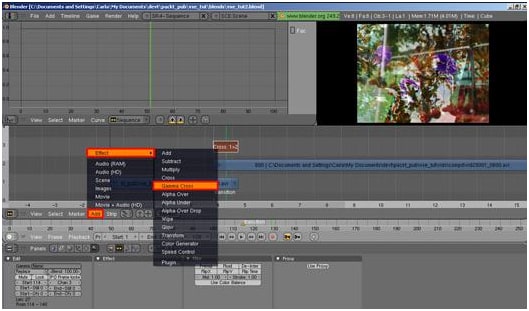
Blender is the 3D computer graphics software. It is also open source and freely available, mainly for visual effects, video games, animated films, and 3D interactive applications. This software is written in Python, C and C++. This software has main features such as skinning, 3D modeling, texturing, UV unwrapping, smoke and fluid simulation, etc. Some of especially for computer graphics in video editor that are rendering, video graphics editing, animating, sculpting, compositing, match moving, camera tracking, particle, and soft body simulation. Also supports primitive's geometric including 3D vector graphics. Its special scan-line ray tracing can export in various variety systems for internal render engine.
- Video Sequence Editor for cutting and arranging clips
- Advanced 3D animation and VFX capabilities
- Compositing, motion tracking, and rendering tools
- Audio mixing and keyframe animation support
- All-in-one suite for video, motion graphics, and 3D work
Pros
- Extremely powerful and flexible
- Free and open-source
- Excellent for VFX, animation, and advanced projects
Cons
- Steep learning curve
- Too complex for simple edits
- Workflow may overwhelm beginners
System Requirements
- 64-bit Linux system
- Multi-core CPU recommended
- 8GB RAM minimum, 16GB or more recommended
- OpenGL-capable GPU strongly recommended
- Fast storage for cache, assets, and rendered output
Supported Formats
MP4, MOV, AVI, MKV, image sequences, WAV, MP3, and many standard media formats supported by Blender's video pipeline.
Best Use Cases
- 3D animation and VFX-heavy video projects
- Motion graphics and compositing
- Professional creative workflows on Linux
- Users who need both video editing and 3D tools
Cinelerra
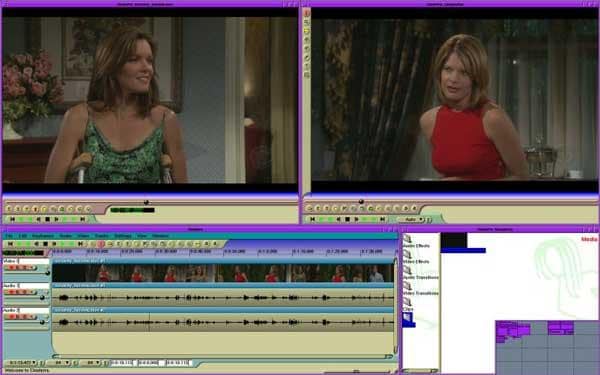
Cinelerra is a free video editing tool for Linux. It is designed mainly for capturing, compositing, and editing audio and video with sample-level accuracy with an intuitive and friendly UI.
Key Features of Cinelerra
- Professional-level non-linear video editing
- Frame-accurate audio and video synchronization
- Real-time compositing and effects processing
- Advanced color correction and audio mixing tools
- High-resolution video editing including HD and 4K projects
Pros
- Highly precise video and audio editing
- Powerful compositing and effects capabilities
- Suitable for professional Linux workflows
Cons
- Steep learning curve for beginners
- User interface may feel outdated
- Less beginner-friendly documentation
System Requirements
- 64-bit Linux operating system
- Multi-core processor recommended
- 8GB RAM minimum, 16GB recommended for large projects
- GPU acceleration helpful for rendering and playback
- Large storage space for high-resolution video files
Supported Formats
Supports a wide range of video and audio formats including MP4, MOV, AVI, MPEG, MKV, WAV, and other formats depending on installed codecs and system libraries.
Best Use Cases
- Professional video production on Linux
- Frame-accurate editing and compositing workflows
- Complex projects involving multiple video and audio layers
- Users looking for a powerful open-source editing solution
LiVES
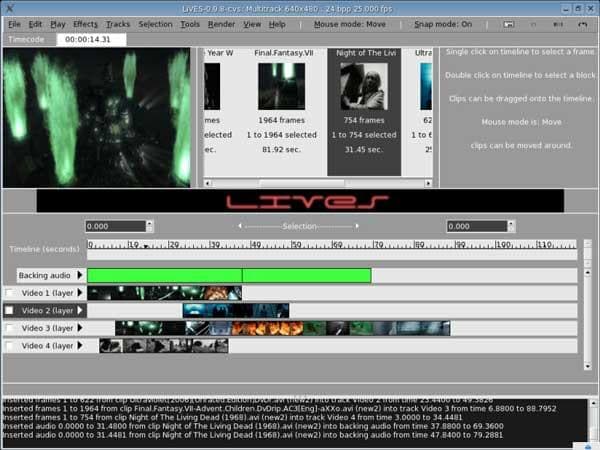
LiVES is a free video editor developed for Linux operating system. It enables users to edit and make videos without worrying about the video formats, rates, frame size, etc. It has a blend of real-time video performance and non-linear editing. Furthermore, it also performs as a Video Jockey software because of its multitrack timelines, mixing of clips, and switching.
Key Features of LiVES
- Combines real-time video performance with non-linear editing
- Supports multitrack editing and clip mixing
- Works with multiple frame sizes and frame rates
- Useful for live performance and VJ workflows
- Includes effects, transitions, and clip switching tools
Pros
- Unique mix of live performance and editing tools
- Free and open-source
- Good for experimental and creative workflows
Cons
- Interface may feel less modern
- Learning curve for new users
- Not the best choice for simple editing only
System Requirements
- Linux system with desktop environment
- Modern processor recommended
- 4GB RAM minimum, 8GB recommended
- Graphics support helpful for real-time preview
- Extra storage for media cache and exports
Supported Formats
Supports many common audio and video formats, including MP4, MOV, AVI, MPEG, and image sequences, depending on installed codecs.
Best Use Cases
- Live visual performance and VJ work
- Creative multi-clip editing
- Experimental video projects on Linux
- Users who want both real-time and timeline-based editing
OpenShot
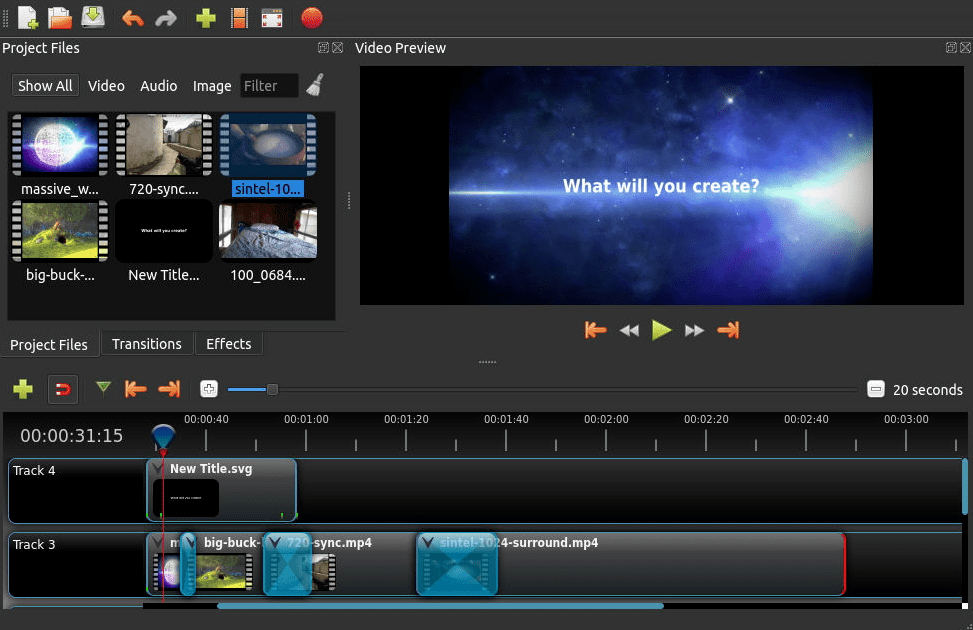
OpenShot is a video editor for Linux operating system written Python. It is open-source video editing software and also freely available. Its main features support many audio, video, and image formats. Better drag and drop feature. Cutting, trimming, snapping, and cropping are easier in OpenShot. It also supports video transition, compositing, 3D effects, and motion picture credits. OpenShot is a user-friendly software that also gives support of animation of a keyframe, easier encoding of video, digital zooming, editing, and mixing of audio and digital video effects. This video editor software provides compositing and mainly comprehensive editing tool for practical working on the high-definition video with HDV and AVCHD.
Key Features of OpenShot
- Drag-and-drop timeline editing
- Unlimited layers for video, audio, and images
- Built-in transitions, titles, and animation tools
- Keyframe animation support for motion effects
- Simple interface designed for beginners
Pros
- Easy to use for beginners
- Free and open-source
- Good for quick edits and simple projects
Cons
- May feel limited for advanced editors
- Large projects can be less efficient
- Performance may vary with complex timelines
System Requirements
- 64-bit Linux distribution
- Multi-core CPU recommended
- 4GB RAM minimum, 8GB or more recommended
- GPU helpful for smoother playback
- Sufficient free disk space for projects and exports
Supported Formats
MP4, MOV, AVI, MKV, WebM, MPEG, WAV, MP3, AAC, PNG, JPG, SVG, and other common media formats through FFmpeg.
Best Use Cases
- Beginner Linux video editing
- Simple YouTube videos and social media clips
- Slideshows and home movies
- Users who want a straightforward drag-and-drop editor
Flowblade
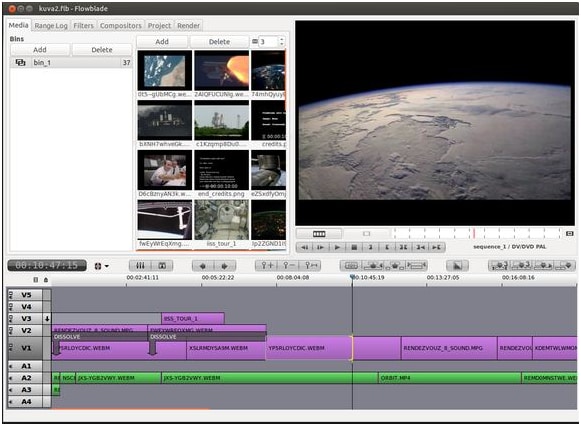
Flowblade is a multitrack non-linear video editor designed to provide a precise and fast editing experience. It has a tremendous range of tools and techniques to provide the best experience of audio-video editing. There are two move and three trim tools along with four techniques of appending, overwriting, and inserting a clip on the timeline. Another great feature of this video editor is that it has more than 50 image filters and 30 audio filters to ensure the best video and audio editing output.
Key Features of Flowblade
- Multitrack non-linear editing workflow
- Multiple trim and move tools for precise timeline control
- Large collection of video and audio filters
- Fast editing experience focused on efficiency
- Useful insert, overwrite, and append editing methods
Pros
- Strong timeline editing tools
- Free and open-source
- Good balance between speed and precision
Cons
- Less known than some larger editors
- Interface may not be ideal for total beginners
- Fewer mainstream tutorials online
System Requirements
- 64-bit Linux system
- Modern processor recommended
- 4GB RAM minimum, 8GB recommended
- GPU support helpful for responsive preview
- Disk space for media assets and render files
Supported Formats
Supports common video, audio, and image formats such as MP4, MOV, AVI, MKV, WAV, MP3, PNG, and JPG depending on installed multimedia libraries.
Best Use Cases
- Multitrack editing on Linux
- Precise cut-and-trim workflows
- Users who want more control than beginner editors
- Mid-level creators working on regular video projects
Vivia
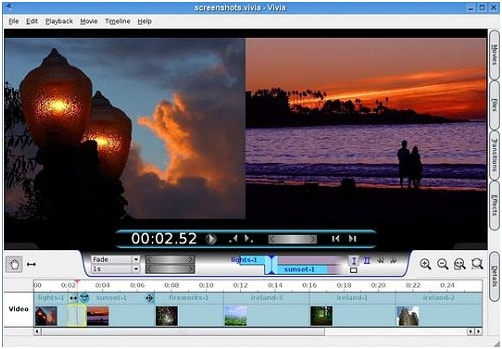
The latest version of Vivia was launched in 2008. This highly user-friendly free video editor is not only made for Linux but is also appropriate for Windows. Vivia is an easy-to-handle video editor that is free for both personal and commercial purposes. It ensures easy and simple non-linear editing and real-time transitions on a friendly interface. It also supports a multi-camera feature on which clips obtained simultaneously from different cameras can be edited. An additional feature that makes Vivia more popular is its crash recovery option, which helps you recover work interrupted by a system crash or failure.
Key Features of Vivia
- Non-linear video editing with real-time transitions
- Multi-camera editing support
- User-friendly interface for basic editing tasks
- Crash recovery feature for interrupted work
- Suitable for simple personal and commercial editing needs
Pros
- Easy to use
- Includes multi-camera support
- Good for simple editing projects
Cons
- Outdated compared with modern editors
- Limited ecosystem and community activity
- Not ideal for advanced production workflows
System Requirements
- Linux desktop environment
- Modest processor requirements
- 2GB RAM minimum, 4GB recommended
- Basic graphics capability sufficient for simple editing
- Storage space for project files and exports
Supported Formats
Supports a range of standard video formats used for basic editing workflows, though support may be more limited than newer editors.
Best Use Cases
- Simple non-linear editing tasks
- Basic multi-camera projects
- Users who want an easy-to-handle editor
- Lightweight editing rather than advanced production
Lightworks
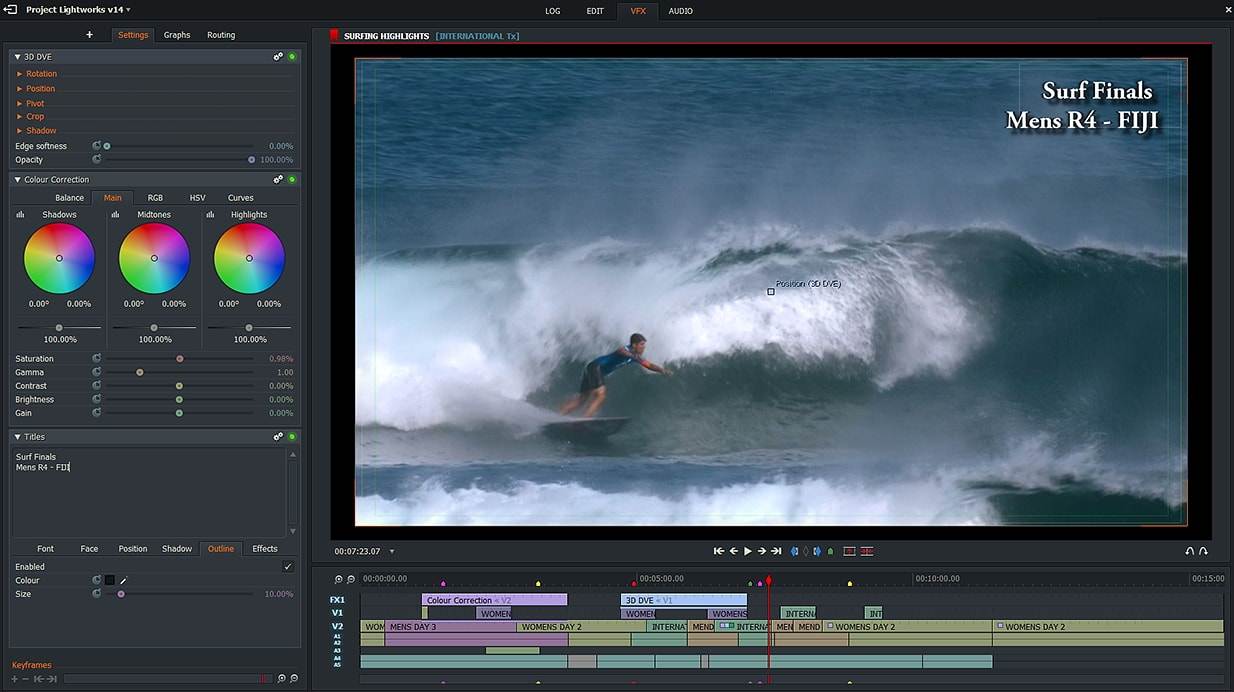
For professional users, Lightworks offers plenty of advanced features. It has both paid and free versions. The free version supports export up to 720p resolution, and some output formats are limited compared to the paid version.
Key Features of Lightworks
- Professional-grade timeline editing tools
- Advanced trimming and project organization features
- Support for high-quality effects and color workflows
- Multicam and multi-track editing capabilities
- Free and paid versions for different editing needs
Pros
- Professional editing workflow
- Strong trimming and timeline tools
- Suitable for more serious creators
Cons
- Free version has export limitations
- Not open-source
- Can take time to learn
System Requirements
- 64-bit Linux system
- Modern multi-core CPU recommended
- 8GB RAM minimum, more recommended for larger projects
- Dedicated GPU recommended for better editing performance
- Fast storage for media and render cache
Supported Formats
Supports many professional and consumer video formats, though export options in the free version may be more limited than in the paid edition.
Best Use Cases
- Professional-style editing on Linux
- Multi-track and multicam projects
- Creators who need more advanced editing tools
- Users considering a transition from basic editors to pro workflows
FAQs About Best Video Editing Software for Linux
1. Is Linux Good for Video Editing?
Linux distributions typically provide higher performance than other operating systems on similar configurations. But Linux is not always the first choice for video editing because many popular programs such as Final Cut Pro or Adobe Premiere Pro are not available on Linux. In addition, some Linux distributions may face compatibility issues with graphics drivers. However, open-source tools like Kdenlive, Shotcut, and Blender provide powerful video editing features that make Linux a viable option for creators.
2. Is Filmora Open Source?
No, Filmora is not open source. Filmora is available for Windows 7/8/10 64-bit and macOS X10.11 or later. When you use Filmora, you agree to the service terms that specify you will not do anything with the software that the software's authors have not expressly permitted. Therefore, you may not be able to legally inspect, modify, or enhance Filmora without proper authorization.
3. What Is the Best Linux Video Editor for Beginners?
Shotcut and OpenShot are among the best Linux video editors for beginners because they provide intuitive interfaces, drag-and-drop editing, and essential video editing tools without a steep learning curve.
4. Are There Open Source Video Editors for Linux?
Yes, many Linux video editors are open source, including Kdenlive, Shotcut, OpenShot, and Blender. These programs are free to use and are actively maintained by open-source communities.
5. Can I Edit 4K Videos on Linux?
Yes, several Linux video editing programs support 4K video editing, such as Kdenlive, Shotcut, and Blender. However, smooth editing performance may require a powerful CPU, GPU, and sufficient RAM.
6. Which Linux Video Editor Is Best for Professional Editing?
Lightworks and Blender are commonly used for professional video editing on Linux because they provide advanced editing tools, multi-track timelines, and professional-grade visual effects.