


 100% Security Verified | No Subscription Required | No Malware


 ChatGPT
 Perplexity
 Gemini
 Claude
 Grok
Grok
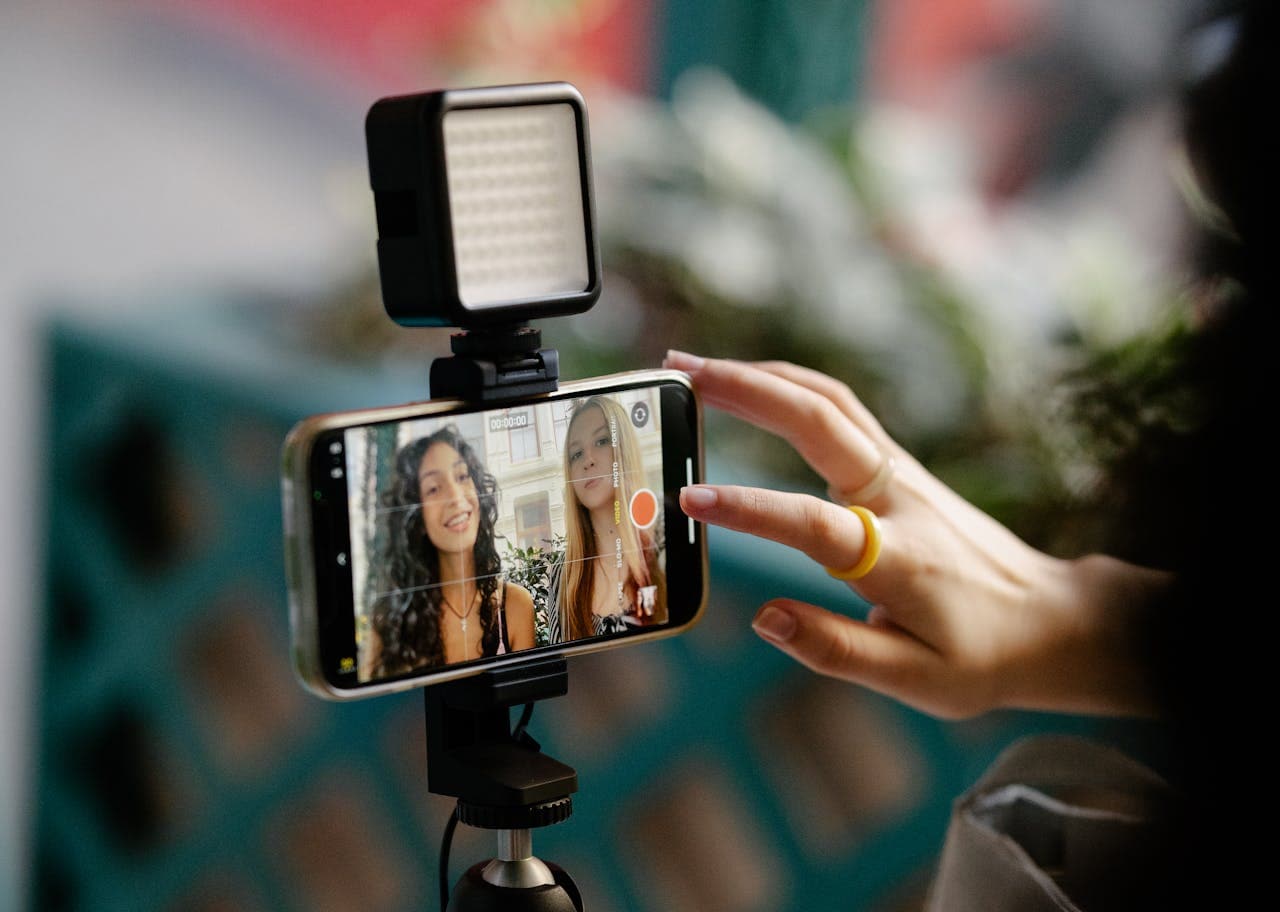
Captions make YouTube videos easier to follow when viewers watch without sound, when dialogue is difficult to hear, or when the audience includes people who are deaf or hard of hearing. They can also help viewers understand fast speech, unfamiliar accents, and spoken content in another language.
Fortunately, you don't have to type every subtitle manually. You can generate captions with YouTube Studio or create and style them before uploading with a video editor.
In this guide, we'll show you how to add captions to YouTube videos on mobile, directly in YouTube Studio, and on a desktop with Filmora Auto Caption and Dynamic Captions.
In this article
How to Generate Captions for YouTube Videos on Mobile
If you edit YouTube videos directly on your phone, Filmora Mobile provides AI Captions for automatically turning spoken dialogue into synchronized text. It is available on both iOS and Android and lets you edit and style the generated captions before exporting your video.
This can be particularly useful for YouTube Shorts and other vertical videos where captions are part of the visual presentation.
 Secure Download
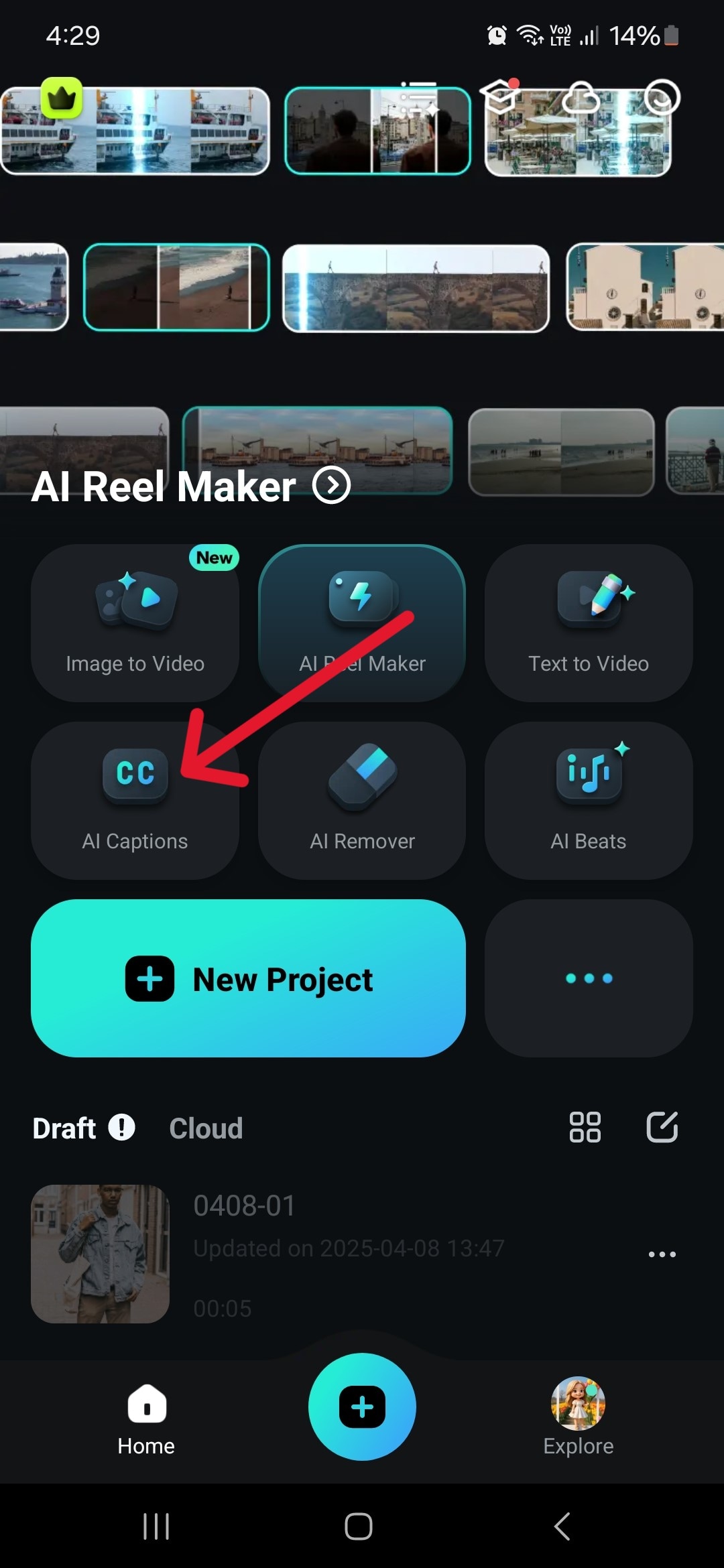
Step 1: Open the Filmora App and tap AI Captions from the main interface.
Step 2: Select the video you want to caption and choose the spoken language or use the available automatic language identification option.
Depending on the available version and settings, Filmora Mobile's AI caption workflow can also provide additional caption enhancement options.
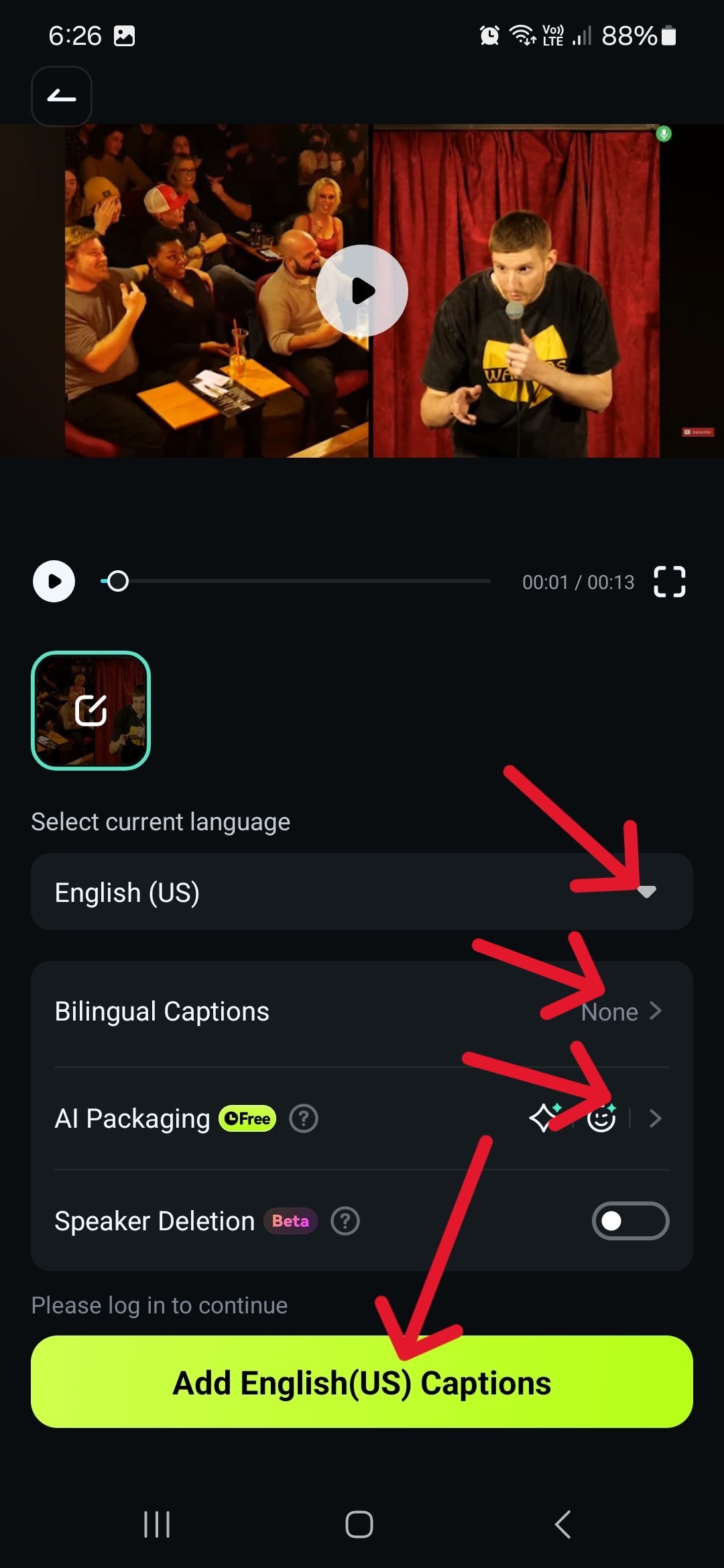
Step 3: Generate the captions and choose an available caption style or template.
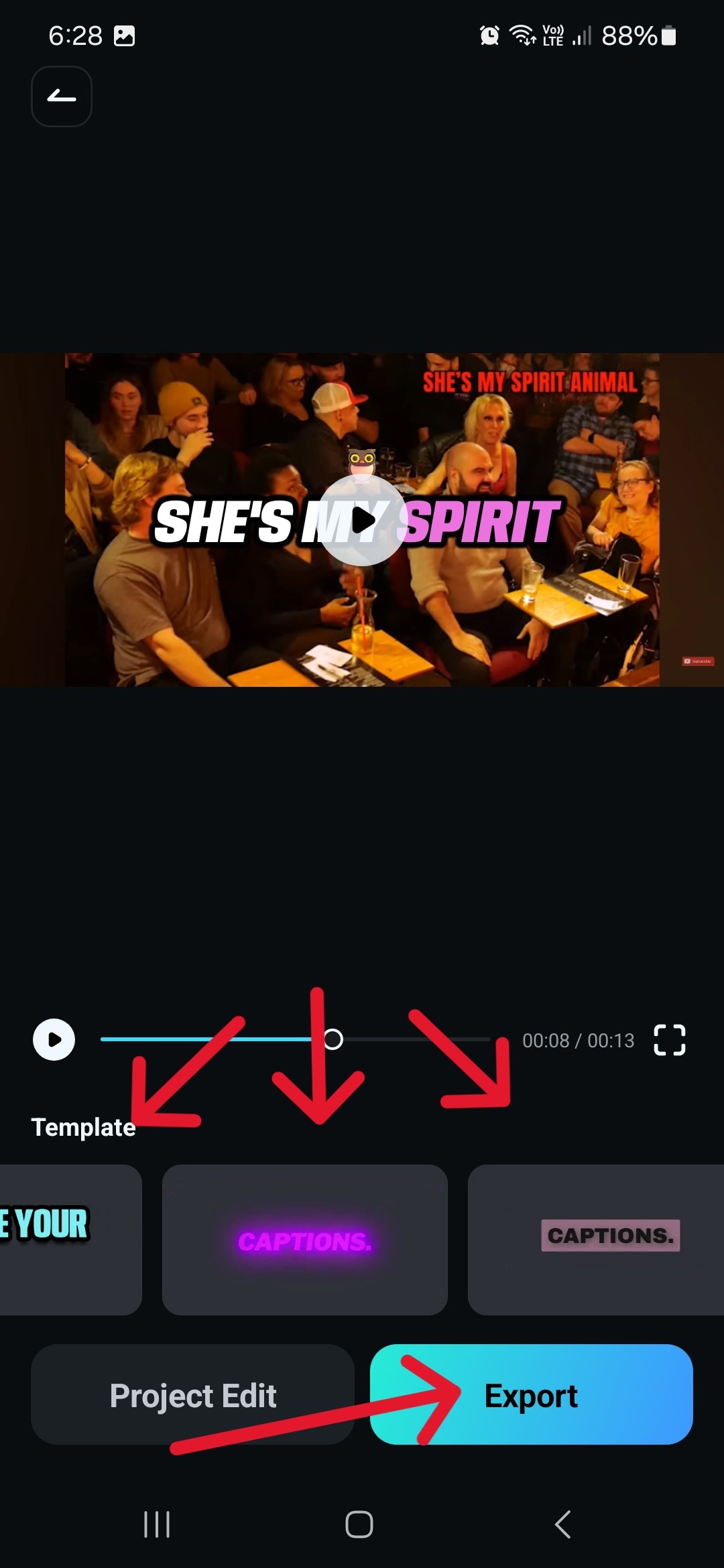
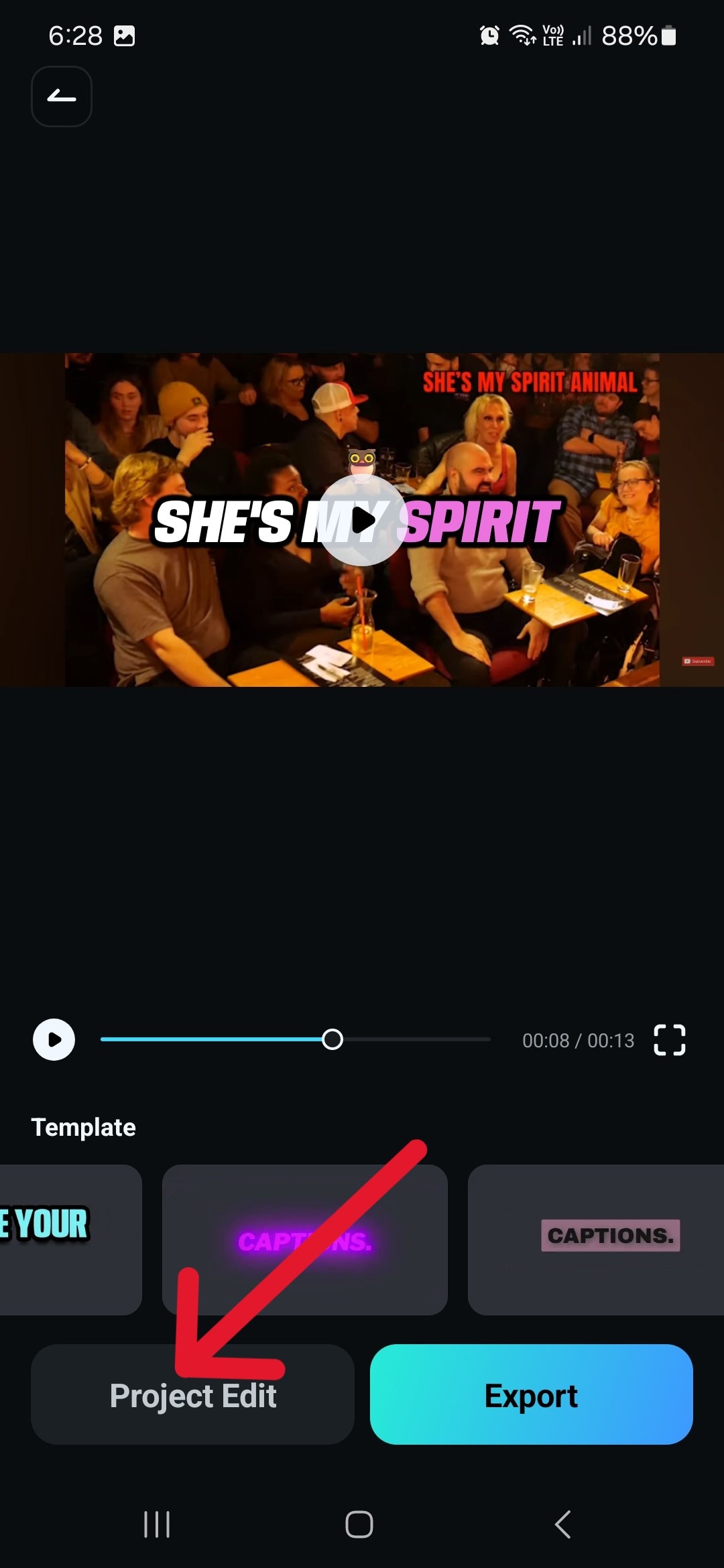
Step 4: Tap Project Edit if you want to correct the generated text or customize the font, color, and caption style.
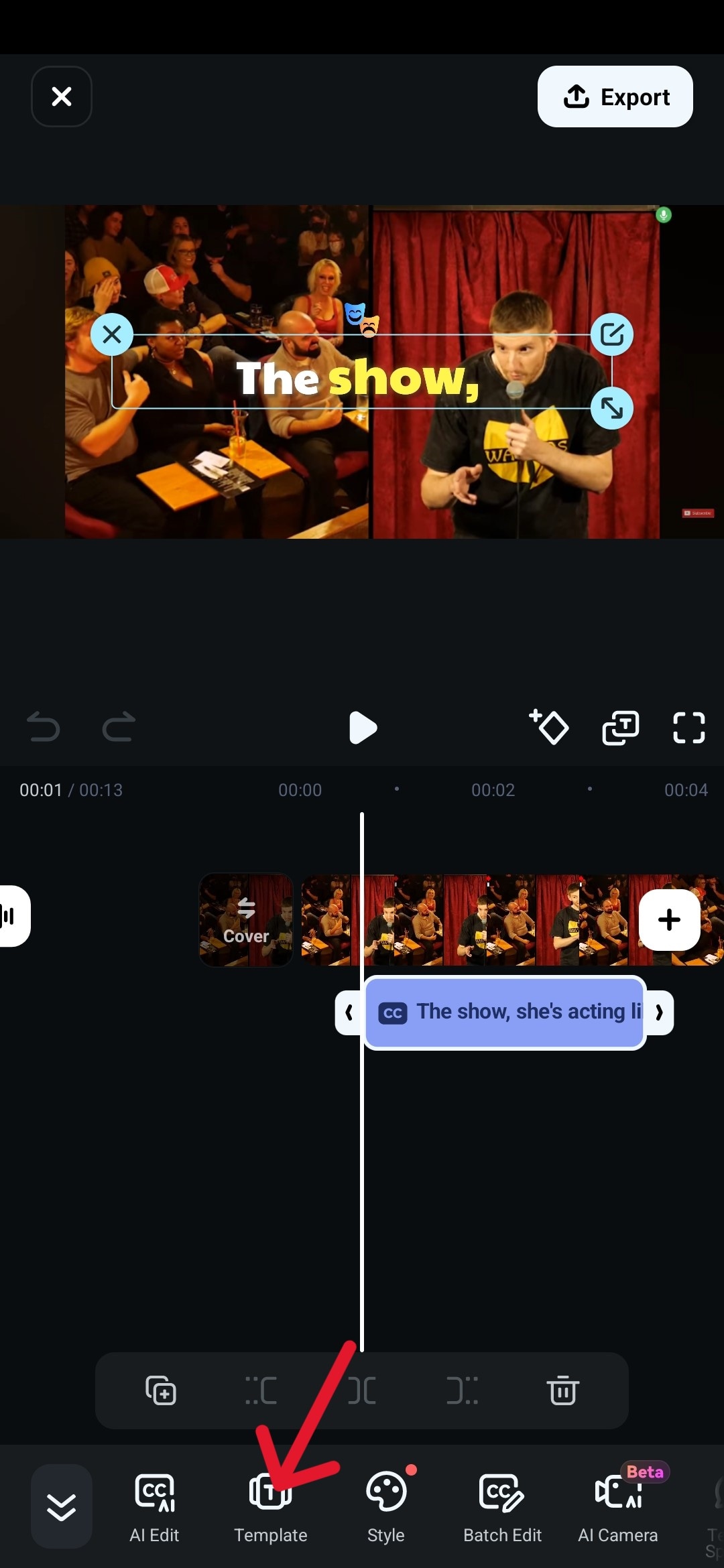
Step 5: Open Template to explore additional visual treatments for your captions.
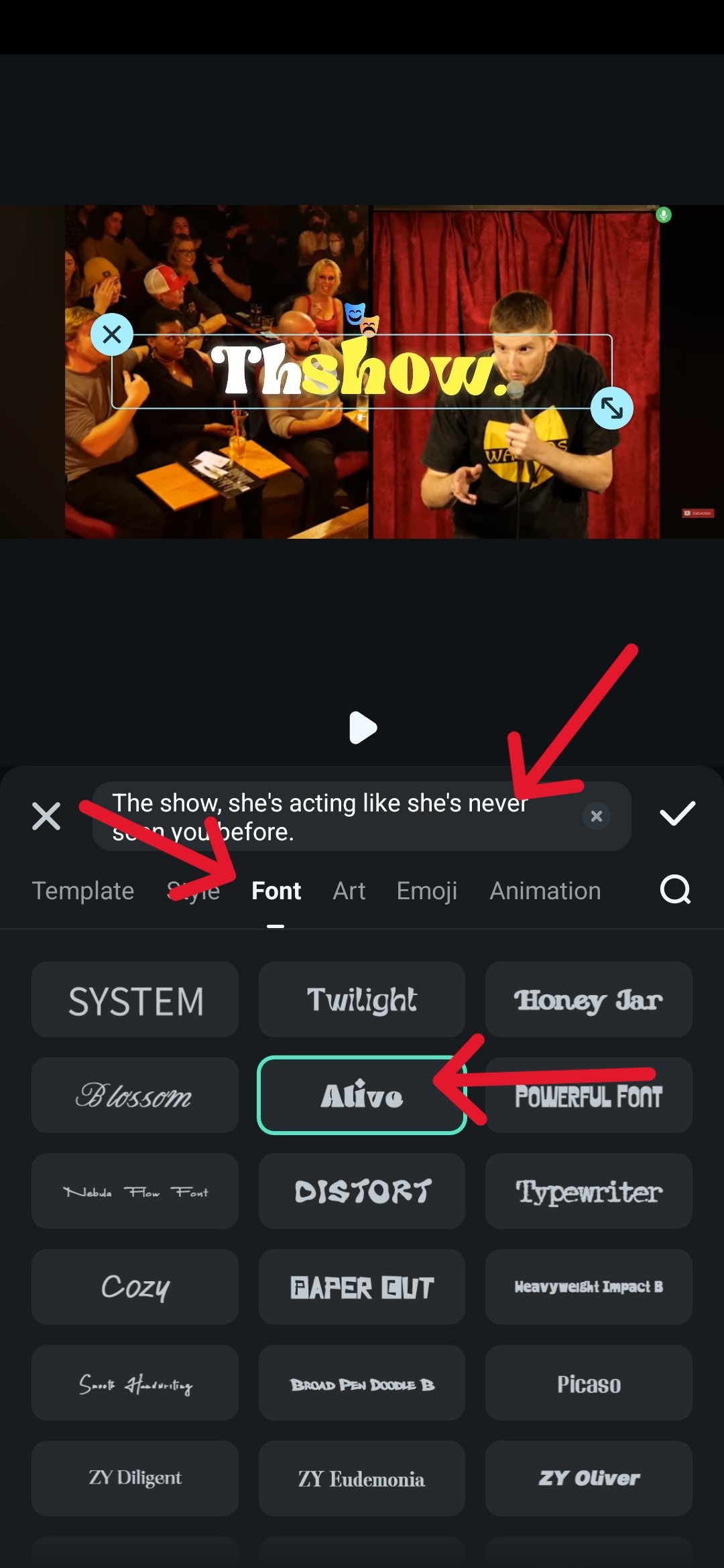
Step 6: Review the available fonts and styles and correct any transcription errors before publishing.
Step 7: Preview the completed video and tap Export when you're ready to save it.
Automatic captions can significantly reduce transcription time, but always review names, numbers, product names, specialist terminology, and unclear dialogue before uploading your video to YouTube.
Secure DownloadHow to Add Captions in YouTube Studio
YouTube also provides built-in subtitle tools, so you don't necessarily need a separate video editor if you only want to add basic captions after uploading a video.
YouTube can automatically generate captions for supported videos and languages. However, automatically generated text should always be reviewed because background noise, accents, names, technical terminology, and unclear speech can lead to transcription errors.
Method 1: Use YouTube's Automatic Captions and Translation
If YouTube has generated automatic captions for your video, you can review and manage them through YouTube Studio.
Step 1: Open YouTube Studio and select Subtitles from the left-hand menu.
Step 2: Select the video you want to edit and review the available language and subtitle options.
Step 3: Review YouTube's automatically generated captions and correct any transcription errors before publishing them.
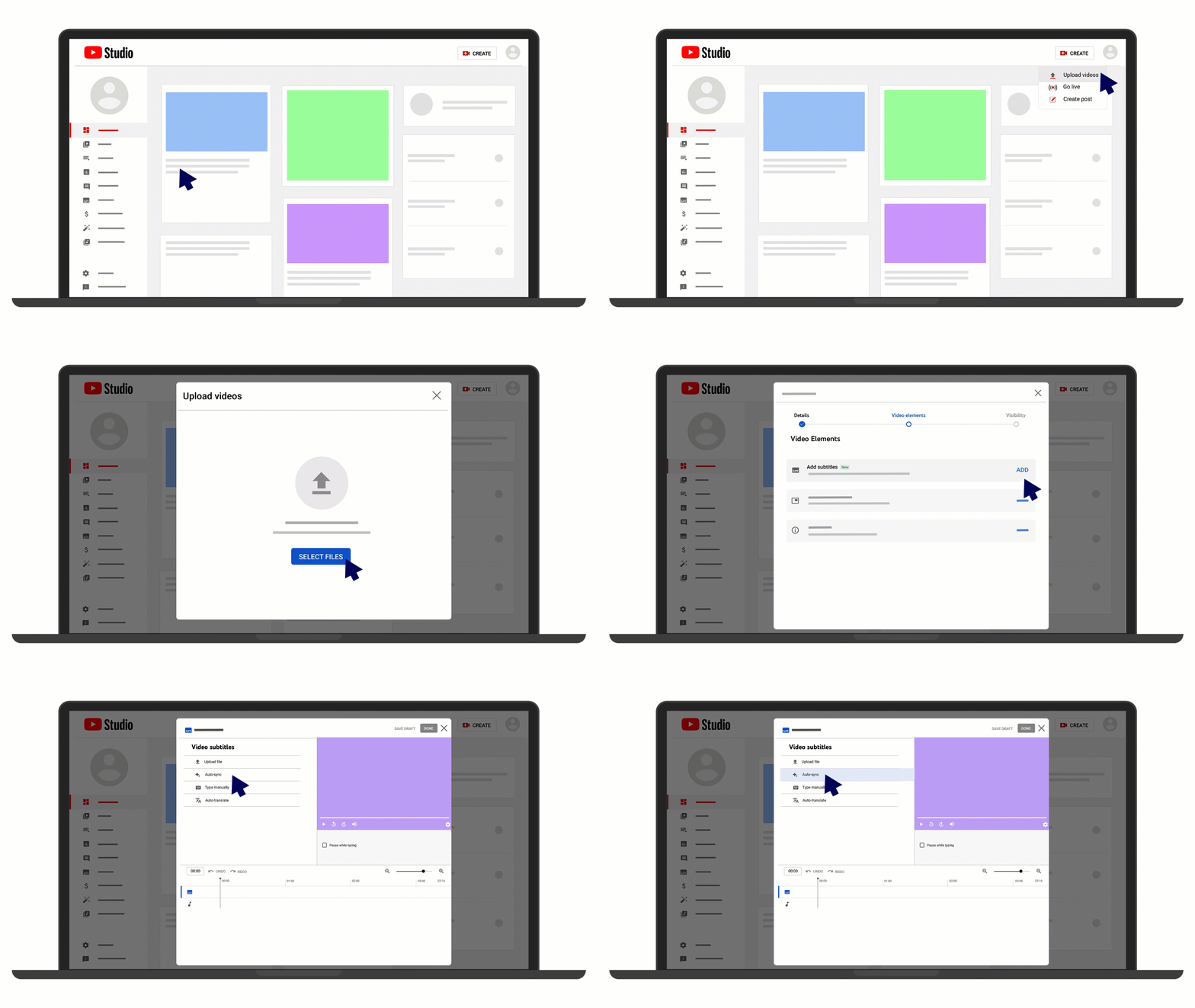
Method 2: Upload a Subtitle File to YouTube
If you have already created captions in another tool, you can upload a supported subtitle file directly to YouTube Studio.
Step 1: Open the Subtitles section for the video.
Step 2: Choose Upload File.
Step 3: Select whether your subtitle file includes timing information.
Step 4: Upload the file, review the captions, and save your changes.
This workflow is particularly useful if you generate and correct your captions in a video editor before uploading the finished video to YouTube.
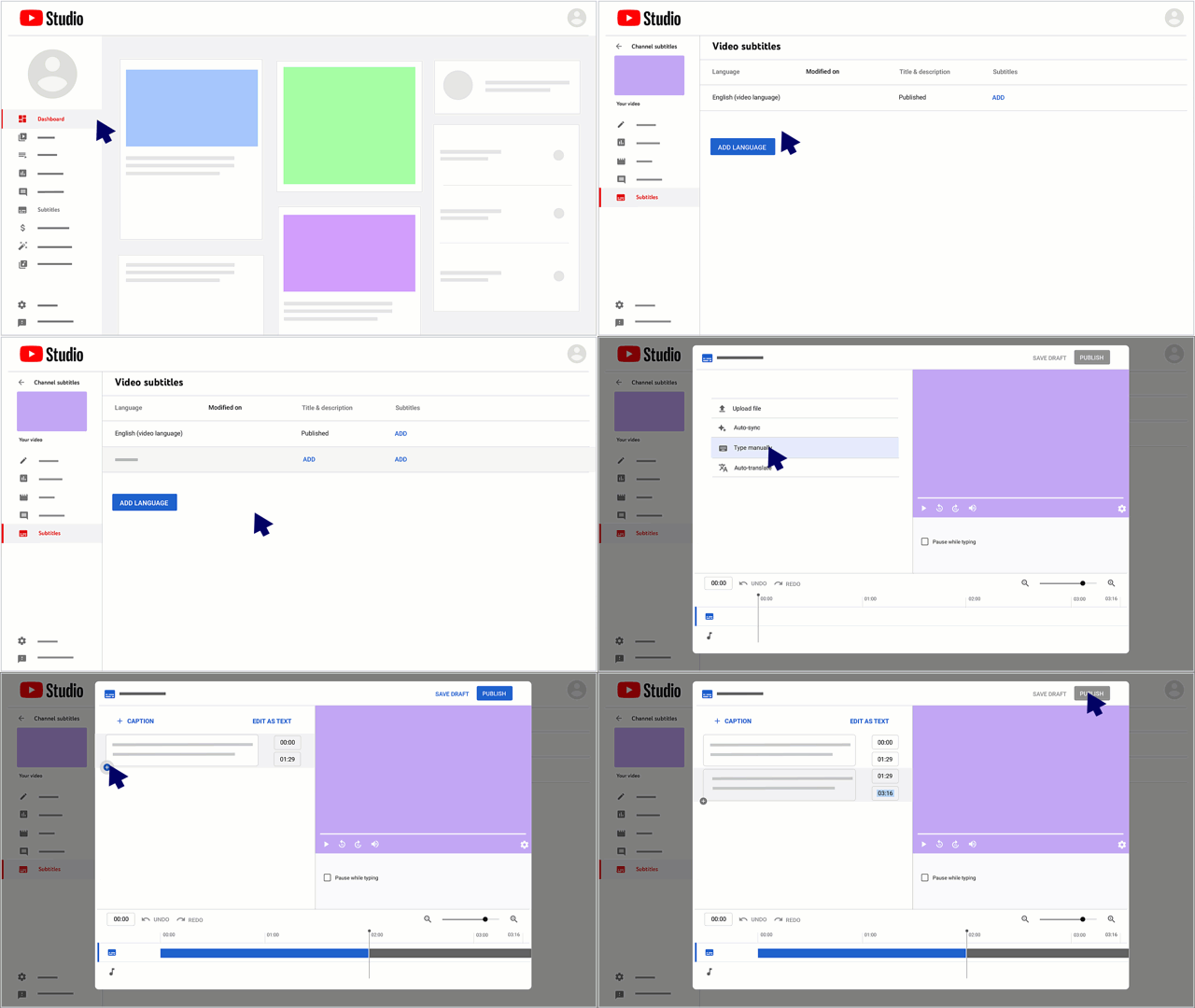
Method 3: Add YouTube Captions Manually
You can also type subtitles manually if you want complete control over the transcript.
Step 1: Open the video's Subtitles section in YouTube Studio.
Step 2: Choose the option to enter subtitles manually.
Step 3: Play the video and enter the corresponding caption text while adjusting the timing when necessary.
Step 4: Review the completed captions and publish them.
How to Create YouTube Captions on PC with Filmora
YouTube Studio works well for basic captions after a video has been uploaded. But if you want captions to be part of the video's visual design, it can be more convenient to create them during editing.
Filmora Auto Caption combines automatic speech-to-text transcription with caption editing, translation, styling, and Dynamic Captions on Windows and Mac.
According to Filmora, Auto Caption can reach up to 99% transcription accuracy with clear audio. It supports transcription in 50+ source languages and caption translation into 30+ languages.
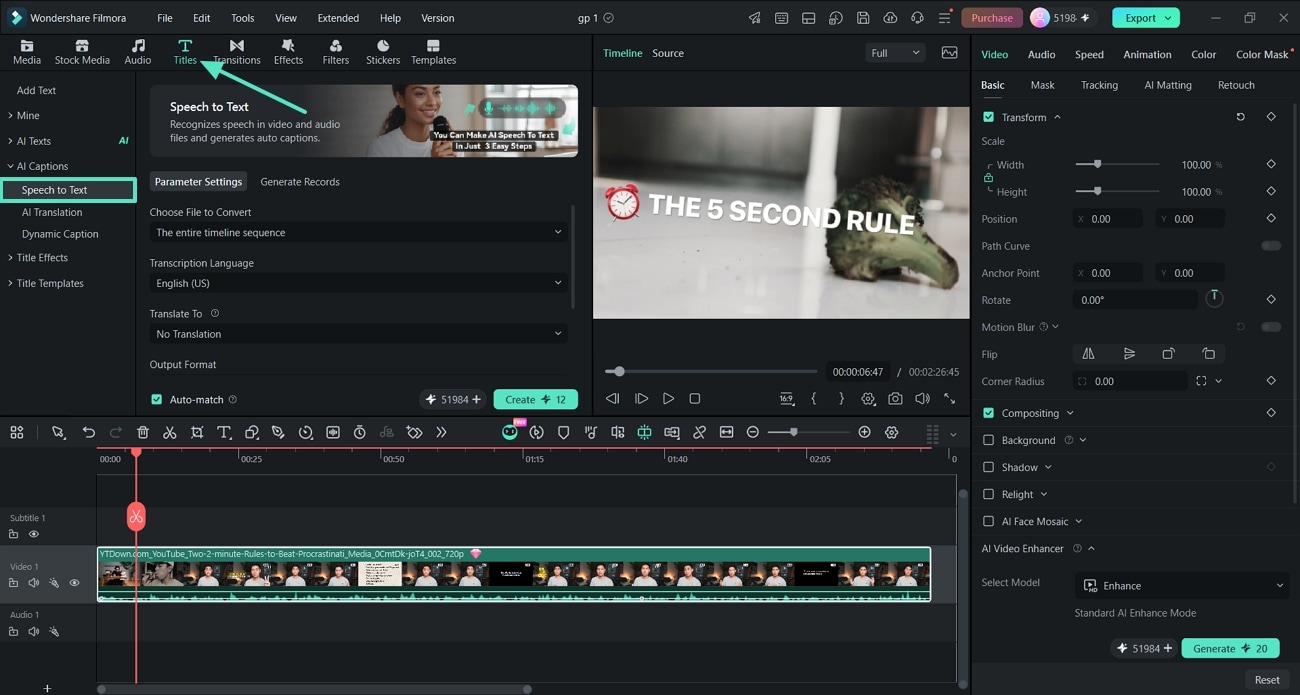
Generate Auto Captions with Speech to Text
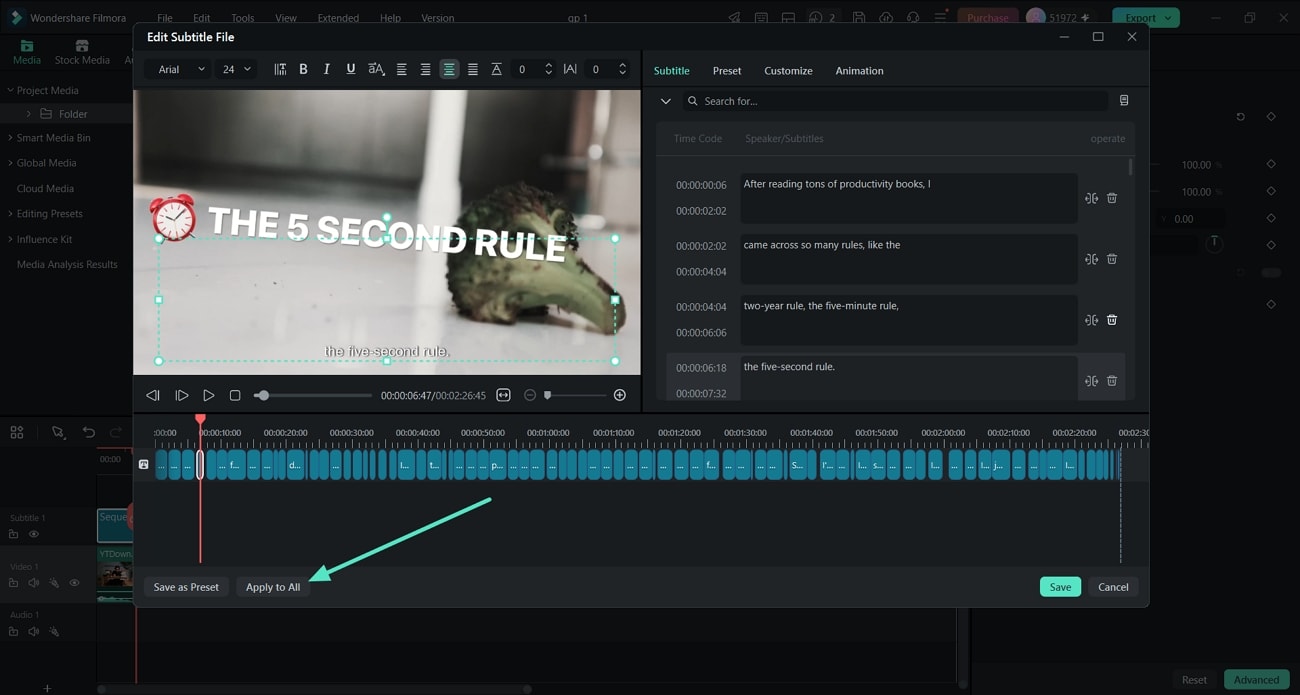
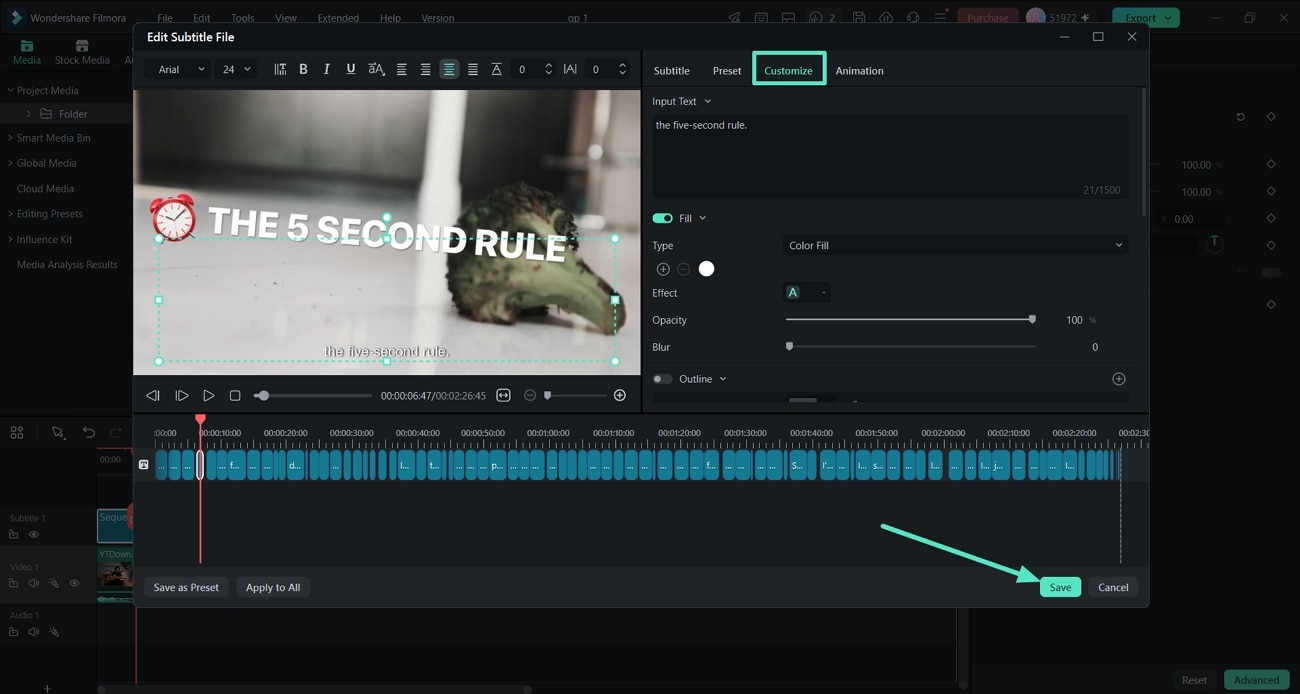
For standard YouTube subtitles, Filmora's Speech to Text workflow can automatically convert dialogue into synchronized captions that you can review and customize before exporting.
Create Dynamic Captions for YouTube Videos
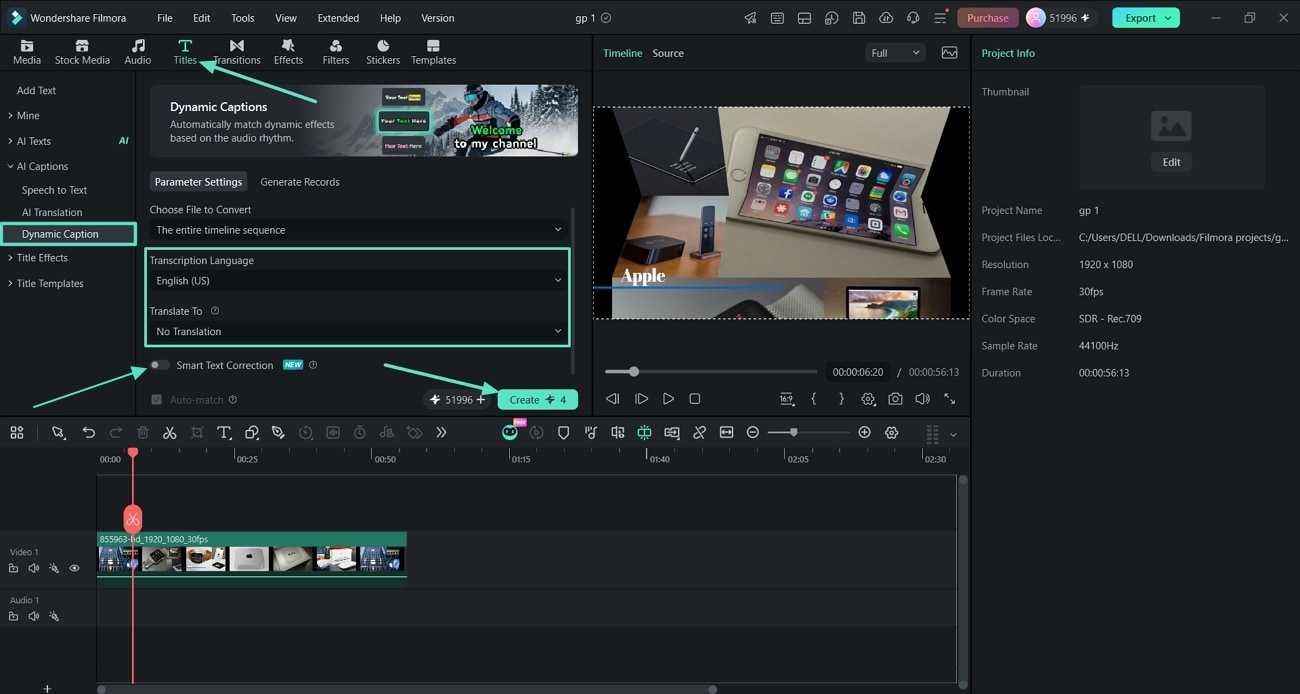
For YouTube Shorts, talking-head videos, podcasts, tutorials, interviews, and other creator-focused content, Filmora also provides Dynamic Captions.
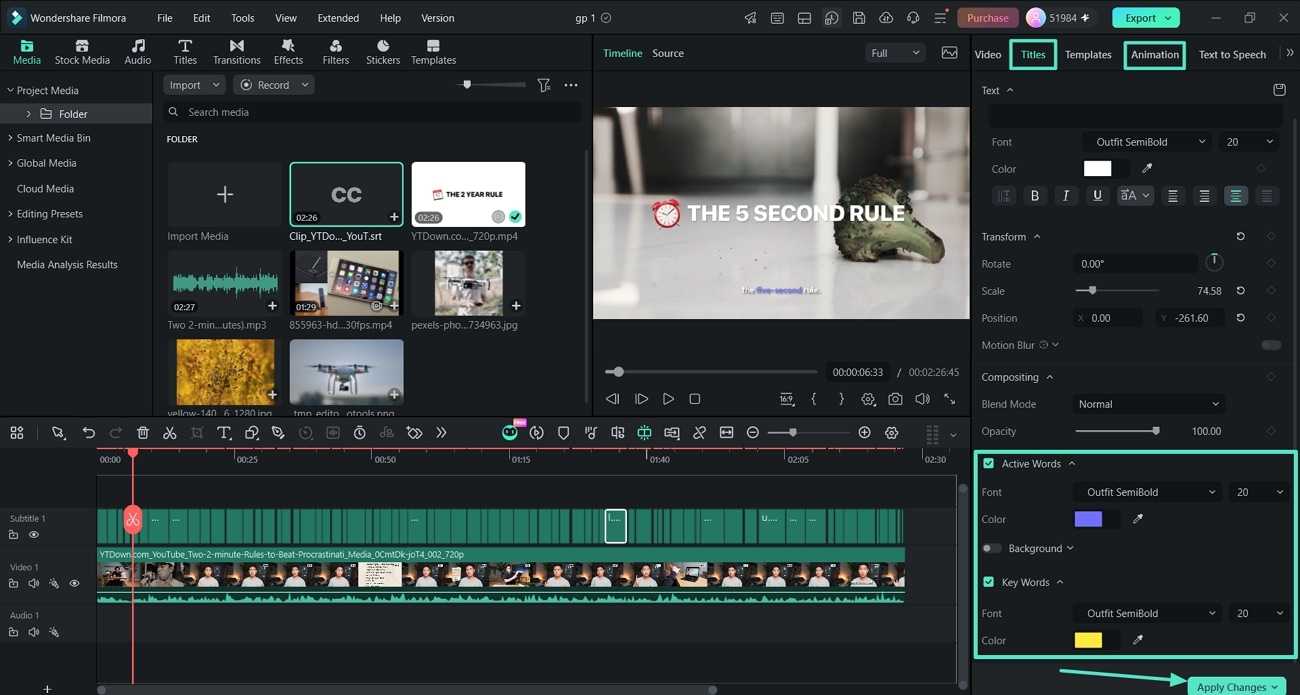
Instead of displaying only standard subtitle lines, Dynamic Captions can highlight individual words as they are spoken, emphasize important phrases, and apply animated visual treatments to the text.
Why Use Dynamic Captions for YouTube?
Traditional subtitles focus primarily on readability and accessibility. Dynamic Captions can also become part of the video's visual presentation, which makes them especially useful for YouTube Shorts and other fast-paced creator content.
- Active Words: Highlight individual words as the speaker says them.
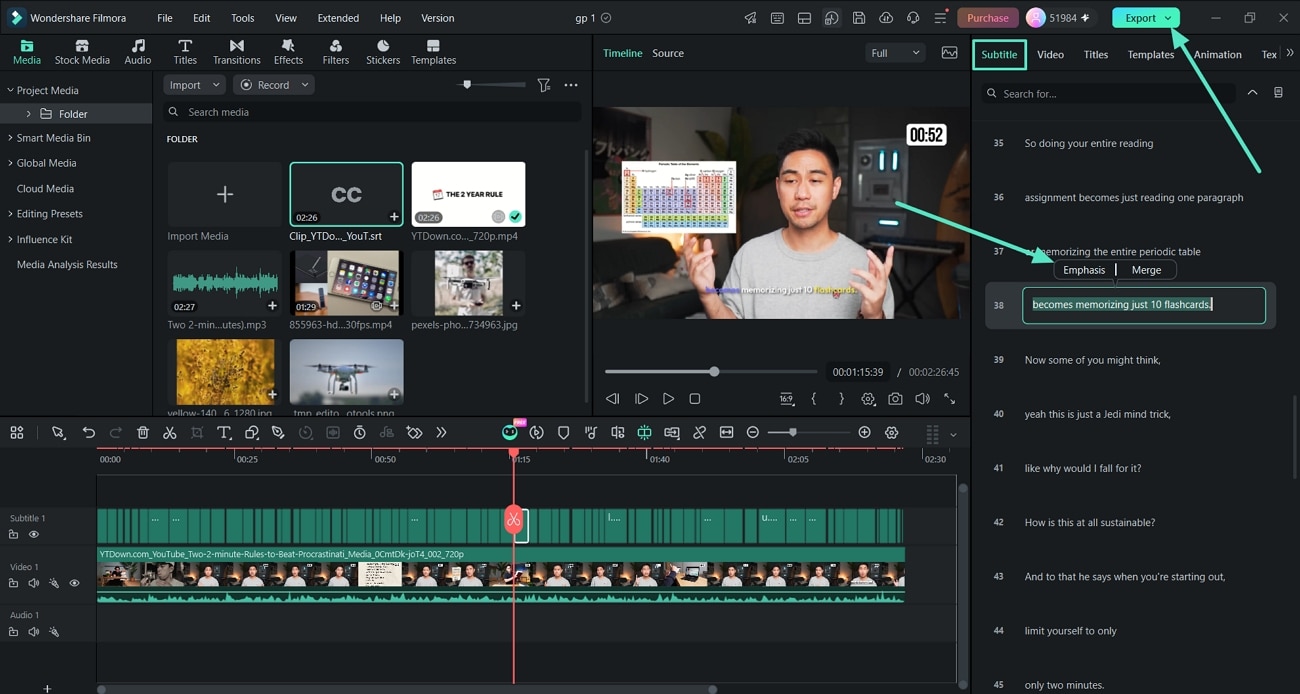
- Key Words: Automatically identify and emphasize important words or phrases.
- Multi-Speaker Detection: Detect multiple speakers and add speaker labels to make conversations easier to follow.
- 100+ Caption Templates: Apply ready-made styles such as Bubble, Neon, Karaoke, Cinematic, and TikTok-inspired treatments.
- 120+ Animations: Add motion to captions without manually animating each text element.
- Caption Translation: Translate generated captions into 30+ supported languages for multilingual YouTube audiences.
Tip: Dynamic Captions are useful when you want the subtitles permanently visible as part of the video. If you want viewers to be able to turn captions on or off in the YouTube player, use a separate caption track or upload a supported subtitle file to YouTube Studio.
Explore Filmora Auto Caption →
For detailed instructions, see the Filmora Auto Caption Guide for Windows or the Auto Caption Guide for Mac.
Secure DownloadConclusion
There are several ways to add captions to a YouTube video. YouTube Studio is convenient when you want to generate, upload, or edit a traditional subtitle track after uploading. Filmora Mobile provides an alternative for creators who want to generate and style captions directly on a phone.
For desktop editing, Filmora Auto Caption combines Speech to Text with caption editing, translation, and Dynamic Captions. Active Words, Key Words, templates, and caption animations can be particularly useful when creating YouTube Shorts or other videos where captions are part of the visual style.
Frequently Asked Questions
-
1. Can YouTube automatically generate captions?
Yes. YouTube can automatically generate captions for supported videos and languages. Because automatic speech recognition can make mistakes, creators should review the generated captions before publishing. -
2. Can I upload my own captions to YouTube?
Yes. YouTube Studio allows creators to upload supported subtitle files. This is useful if you create and correct captions in another tool before uploading them to YouTube. -
3. Can Filmora automatically generate captions for YouTube videos?
Yes. Filmora Auto Caption uses Speech to Text to turn spoken dialogue into synchronized, editable captions. Filmora reports up to 99% transcription accuracy for clear audio and supports more than 50 source languages. -
4. Can Filmora create animated captions for YouTube Shorts?
Yes. Filmora Dynamic Captions can highlight Active Words as they are spoken, emphasize Key Words, and apply caption templates and animations. This makes the feature particularly useful for Shorts and other fast-paced creator videos. -
5. Should I use burned-in captions or YouTube subtitle tracks?
It depends on the goal. Burned-in captions remain visible as part of the video and can use more creative styling and animation. YouTube subtitle tracks can be turned on or off by viewers and are better suited when you want captions to remain separate from the video image. -
6. Can Filmora translate YouTube captions?
Yes. Filmora's Auto Caption workflow can translate generated captions into more than 30 supported languages, helping creators prepare multilingual subtitle versions for different audiences.