Explore AI Cave Image Prompts
Browse cave prompts for limestone caverns, crystal chambers, underground rivers, torchlight, spelunking portraits, horror moods, fantasy portals, and social video covers. Each prompt avoids generated text so final titles and captions remain editable in Filmora.
Loading more cave prompts...
 Category:
 Duration:
 Aspect Ratio:
Why Use Cave Prompts With Filmora?
Cave visuals need controlled darkness, readable depth, believable rock texture, safe character placement, and a workflow that can animate still scenes. Filmora helps creators generate cavern images, compare model styles, add overlays and effects, animate light movement, and export adventure-ready visuals.
Generate Cave Scenes From Prompts
Generate Cave Scenes From Prompts
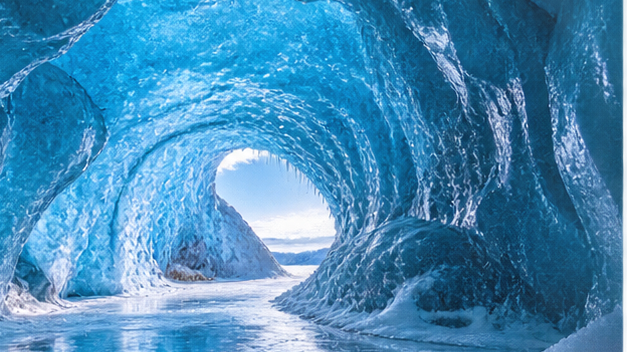
Start with a precise AI cave prompt, then use Filmora's AI image generator to create polished still images with clean composition, strong lighting, and editable space. Use it for underground rivers, crystal caverns, torchlit chambers, fantasy entrances, horror moods, and adventure covers.
- Prompt to Image - Turn text ideas into product shots, portraits, landscapes, social covers, or campaign visuals.
- Clean Layouts - Generate word-free images so titles, stickers, and labels can be added later in Filmora.
- Fast Iteration - Compare multiple crops, lighting moods, and subject arrangements before choosing a final image.
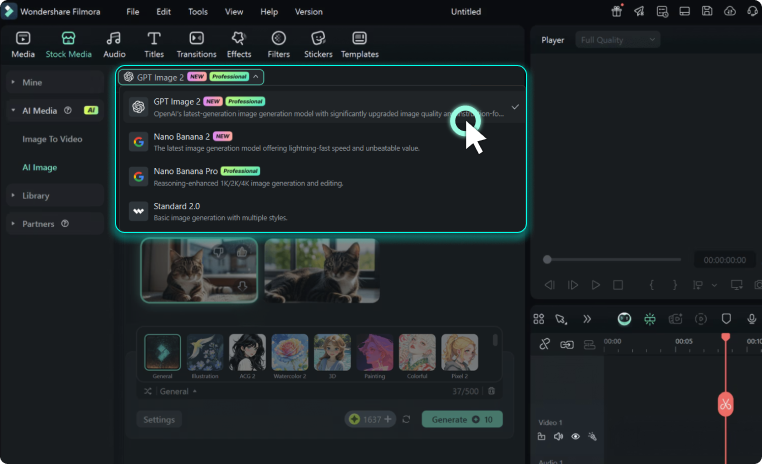
Use GPT Image 2 for Cleaner Detail
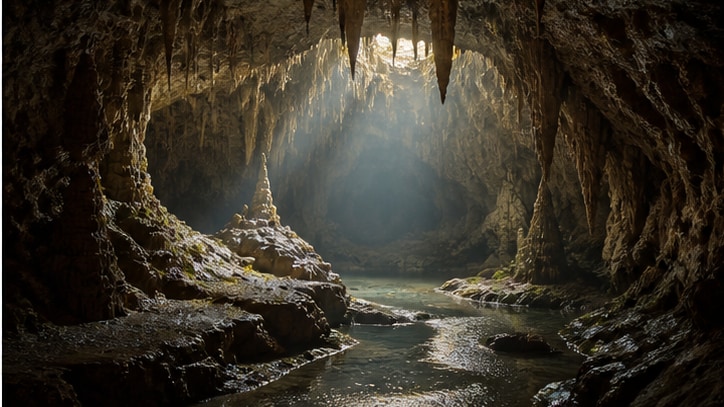
Use GPT Image 2 for Cleaner Detail
When the result needs accurate texture, believable staging, subject placement, or background control, Filmora lets creators use GPT Image 2 inside the image-generation workflow. This helps control stalactites, rock texture, light sources, character scale, reflections, and readable shadow detail.
- Prompt Following - Describe the subject, props, lens, surface, lighting, and clean copy space with more control.
- Realistic Detail - Refine texture, shadows, reflections, clothing, scenery, and product-style polish.
- Editable Results - Keep generated images clean before adding overlays, captions, music, or motion.
Try Nano Banana for Style Variants
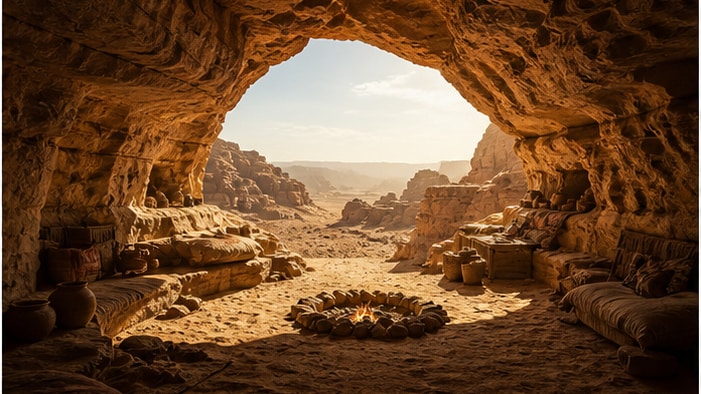
Try Nano Banana for Style Variants
Use Filmora's Nano Banana model when one idea needs alternate color, mood, composition, or campaign styling. Try glowing crystal palettes, cinematic exploration looks, moody horror variants, or fantasy cavern color styles.
- Style Range - Explore realistic, editorial, cinematic, lifestyle, product, travel, or social-ready versions.
- Variant Testing - Generate several visual directions before committing to a final page or video asset.
- Creative Flow - Move from prompt to edited image without splitting the workflow across too many tools.
Animate Still Images Into Video
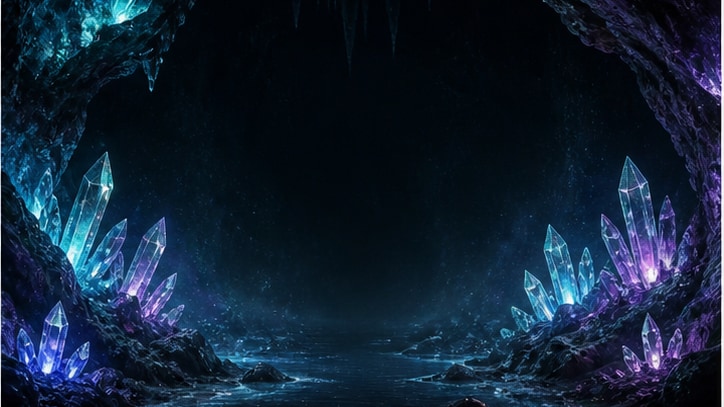
Animate Still Images Into Video
After generating the still image, use Filmora's AI Image to Video workflow to add camera movement, overlays, effects, audio, and social-ready exports. Animate torch flicker, drifting mist, glowing crystals, water ripples, camera pushes, and adventure title cards.
- Motion Ideas - Add slow zooms, parallax, light movement, splash motion, drifting particles, or reveal effects.
- Social Formats - Crop one generated still into 16:9, 9:16, and 1:1 versions for different channels.
- Final Export - Finish with text overlays, music, transitions, effects, and platform-ready output in Filmora.
Frequently Asked Questions About Cave Prompts
How to Generate Cave Images With AI Prompts
Choose an underground concept, define the light and rock detail, generate the still, then edit or animate the cave scene in Filmora.
Step 1 Choose a Cave Prompt
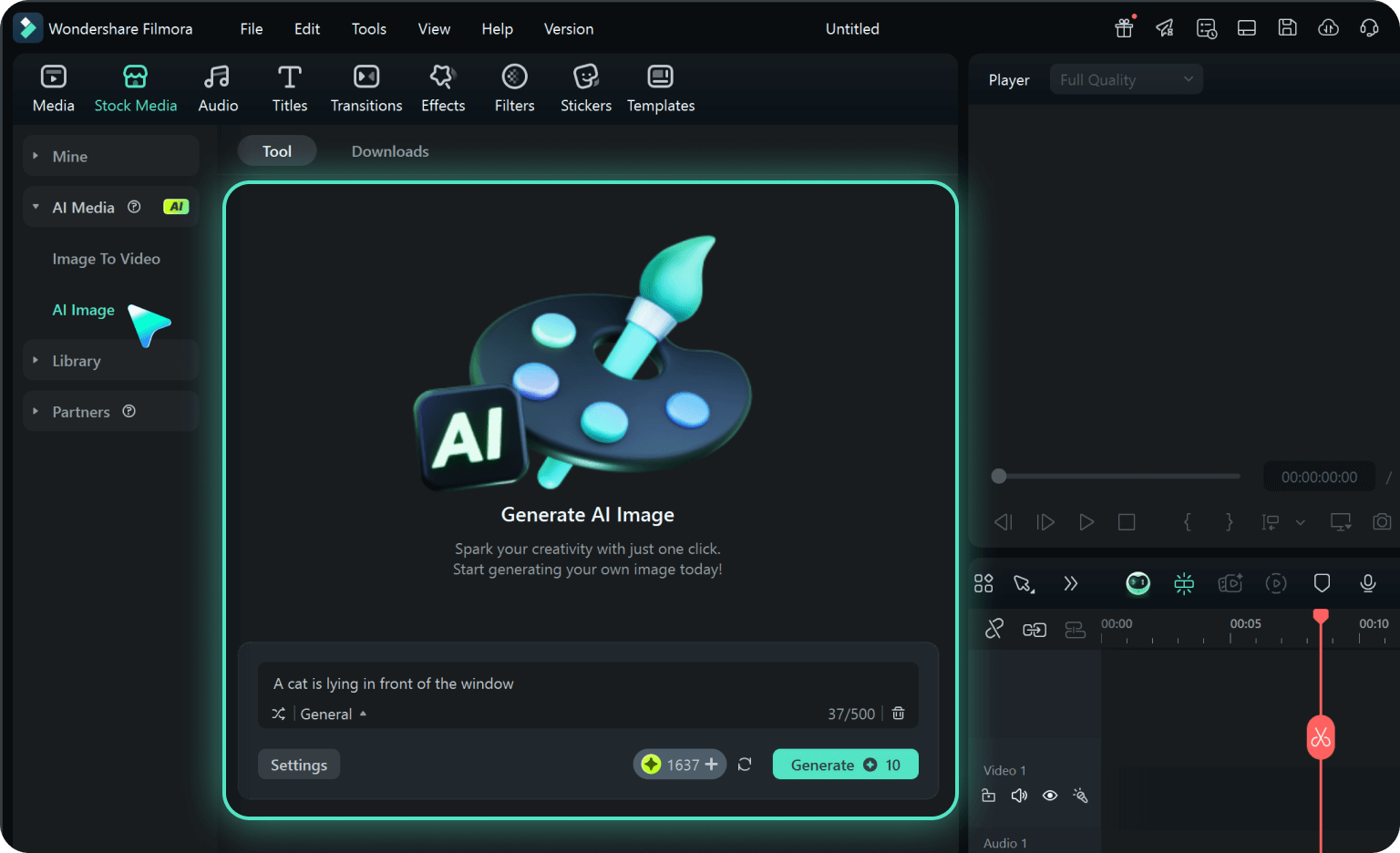
Step 2 Set Light, Model, and Ratio
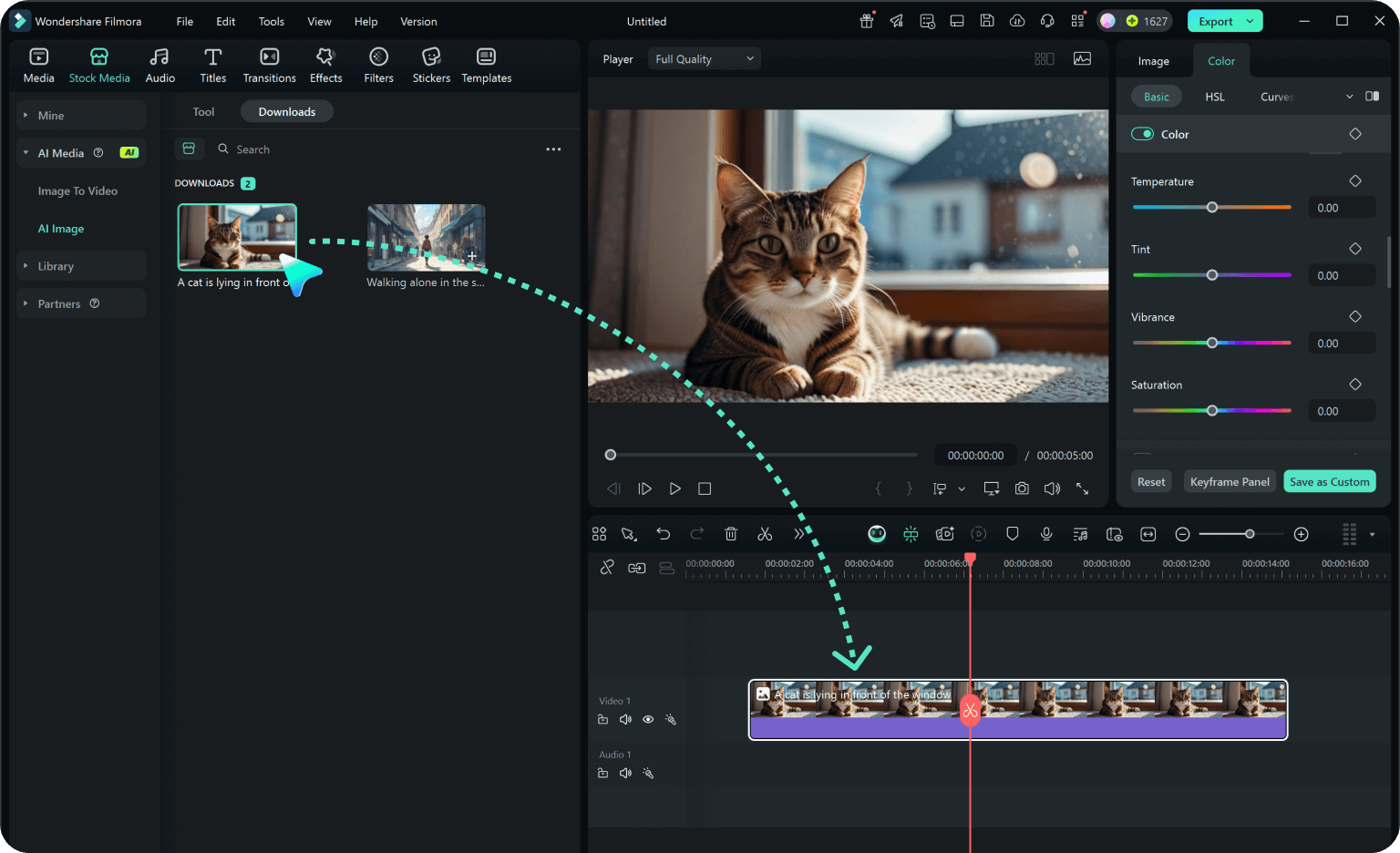
Step 3 Generate, Edit, and Export
-
1: Choose a Cave Prompt
Pick a limestone cavern, crystal cave, underground river, spelunking portrait, fantasy entrance, horror tunnel, or video cover. -
2: Set Light, Model, and Ratio
Paste the prompt into Filmora's AI Image tool, choose GPT Image 2 or Nano Banana, select a ratio, and refine darkness, texture, and depth. -
3: Generate, Edit, and Export
Generate the cave image, adjust contrast and crop, add motion or title overlays if needed, then export the final visual.
AI Cave Prompts for Underground Adventure Visuals
Use AI cave prompts to create photorealistic caverns, crystal chambers, horror moods, spelunking portraits, and motion-ready underground visuals.