

 100% Security Verified | No Subscription Required | No Malware


 ChatGPT
 Perplexity
 Gemini
 Claude
 Grok
Grok
Captions make videos easier to follow when viewers watch without sound, help make spoken content more accessible, and can improve the overall viewing experience. If you edit videos on your phone, automatic caption tools can also save considerable time compared with typing every subtitle manually.
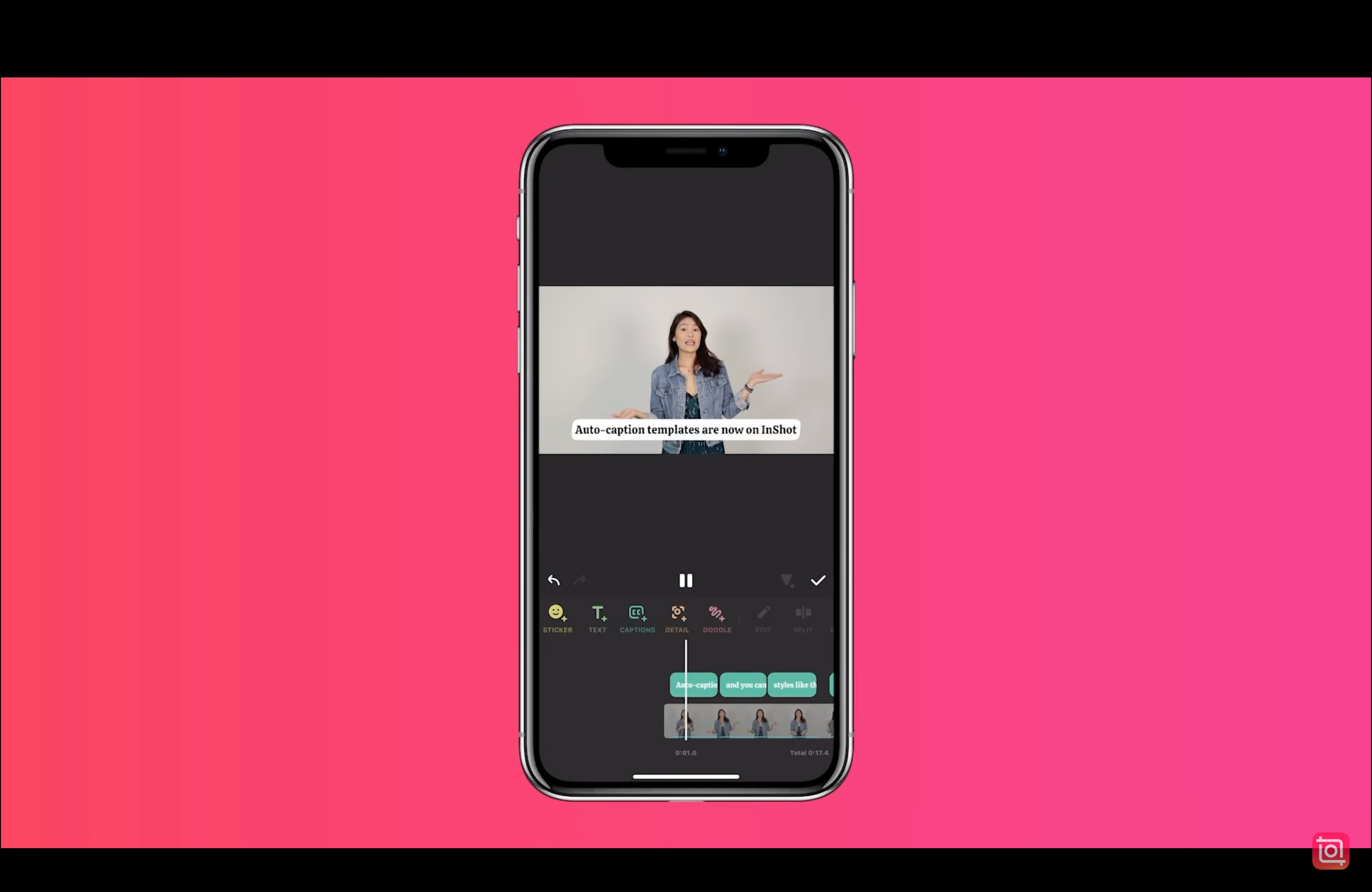
Many creators search for how to add captions in InShot because InShot includes automatic captioning alongside its mobile editing tools. In this guide, we'll walk through the InShot caption workflow first, then look at Filmora as an alternative for creators who want additional caption styling, multilingual options, or a desktop workflow.
In this article
Part 1. How to Add Captions in InShot
InShot is a popular mobile video editor for creating and editing short-form content. Along with manual text tools, supported versions of the app include automatic captioning that can convert spoken audio into subtitle text.
The exact interface and available options may vary depending on your InShot version and device, but the general workflow is straightforward.
How to Add Auto Captions in InShot
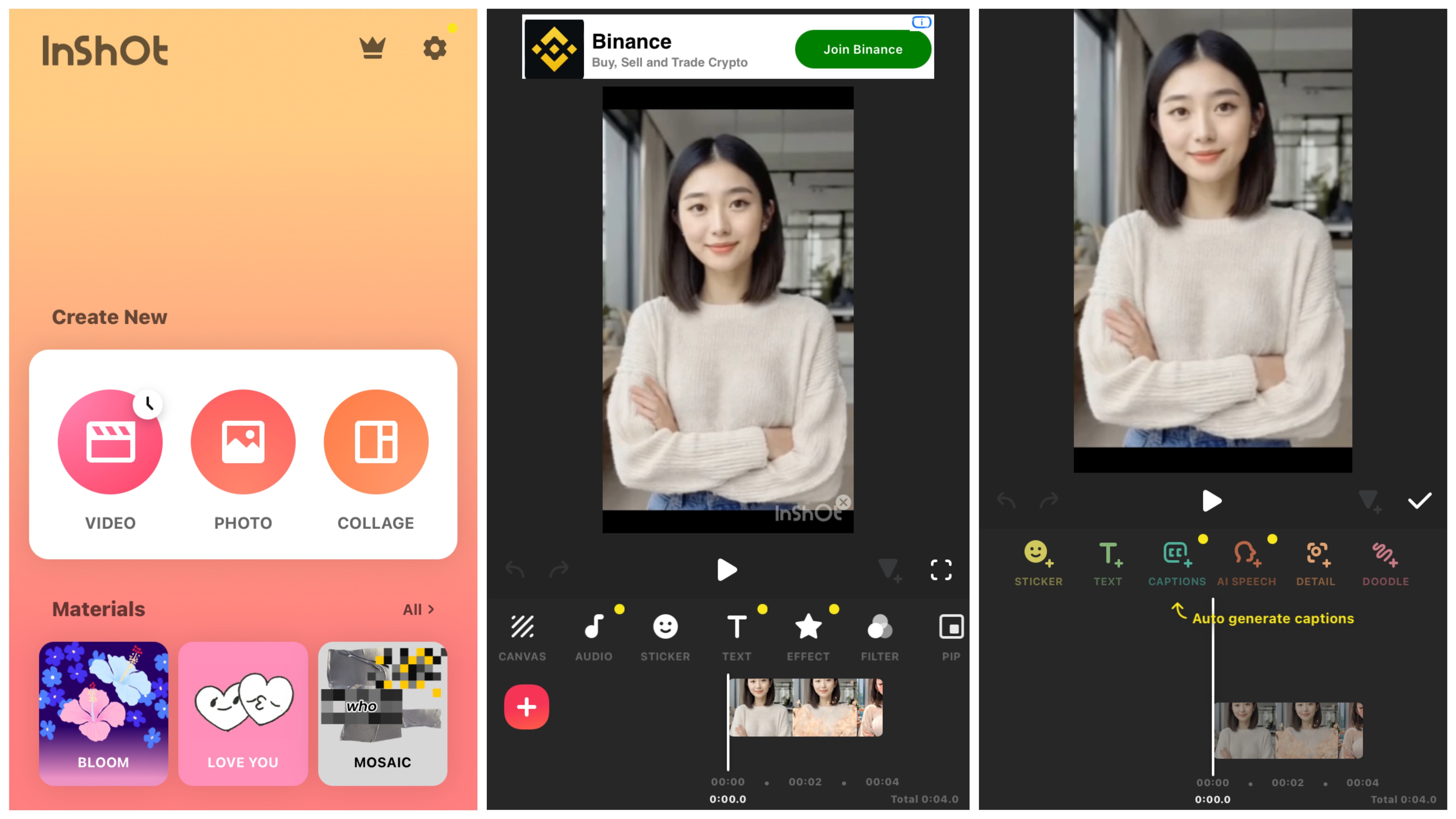
Step 1. Import Your Video into InShot
Launch InShot and tap Video. Select the video you want to caption from your phone's gallery and open it in the editor.
Step 2. Open the Caption Tool
Use the editing toolbar to access the text or caption controls. Look for the Captions or automatic caption option available in your version of InShot.
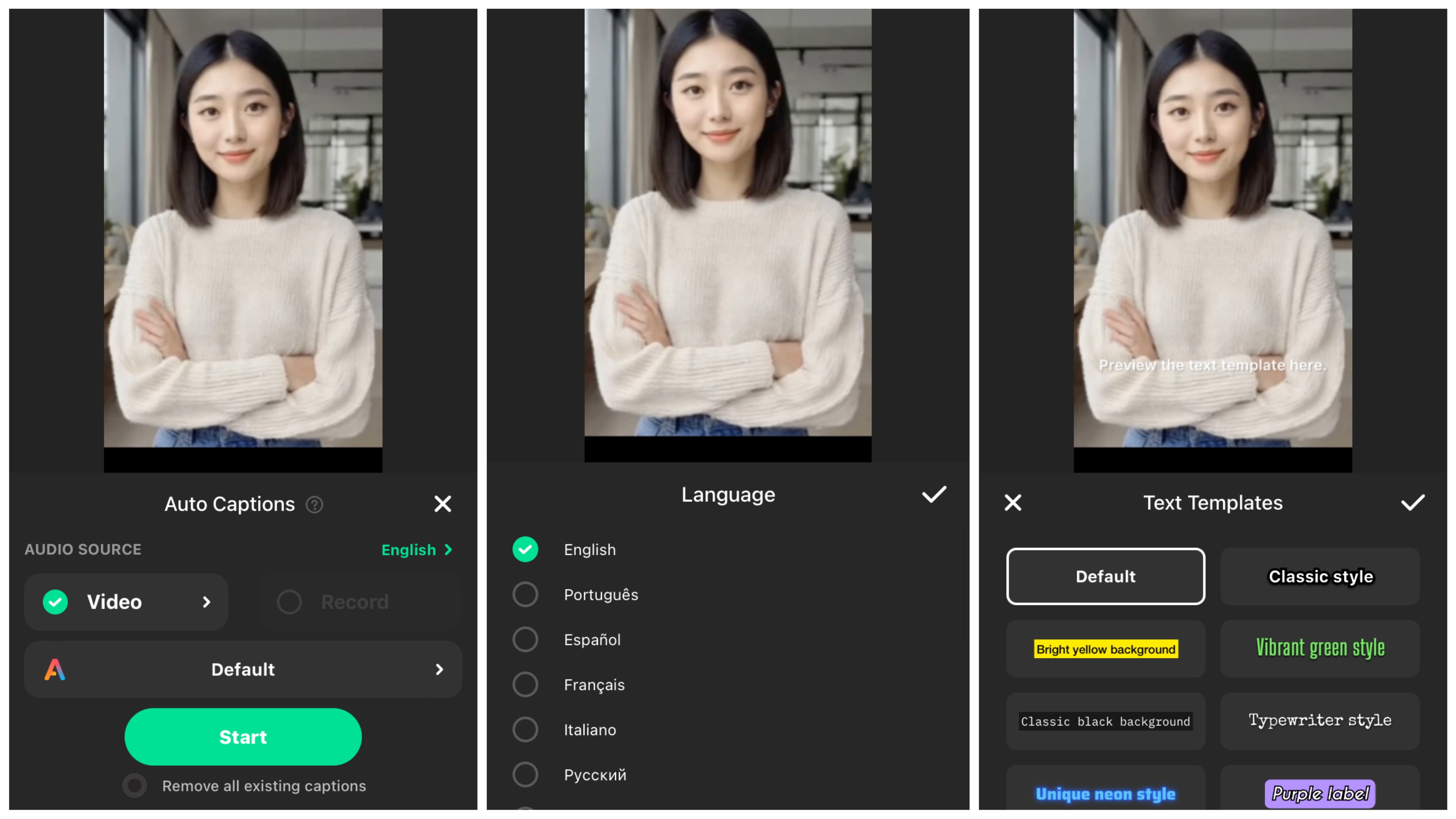
Step 3. Choose the Spoken Language
Select the language used in your video's audio. Available languages and caption settings can vary by app version.
Step 4. Select the Audio Source
Choose the appropriate audio source for transcription. For example, you may generate captions from the video's existing audio or another supported audio source.
Step 5. Choose a Caption Style
Select an available caption or text style that matches your video's design. You can make further adjustments after the captions are generated.
Step 6. Generate and Review the Captions
Start the automatic caption process and let InShot transcribe the spoken audio. Once the captions appear, play the video and check the generated text, timing, and readability before exporting.
For quick mobile edits, InShot's caption workflow may already cover what you need. If you want additional AI-assisted caption styling or want to continue the project in a broader editing workflow, Filmora is another option to consider.
Part 2. InShot Caption Alternative: Filmora Mobile
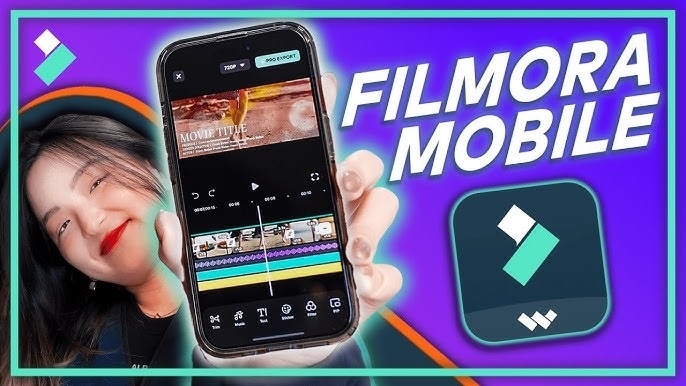
Filmora for Mobile combines automatic caption generation with a broader mobile video editing workflow. Instead of creating captions in a separate tool, you can generate, review, style, and edit captions while continuing to work on the rest of the video.
Filmora's current mobile AI Captions workflow supports 20+ languages and bilingual subtitles, making it useful when you're preparing captioned content for different audiences.


AI Caption Features in Filmora Mobile
1. AI Captions
Filmora's AI Captions automatically converts spoken audio into synchronized subtitle text. The mobile app supports more than 20 caption languages and bilingual subtitles, while generated captions can be edited and styled within the project.
- Automatic Caption Generation: Turn spoken dialogue into synchronized captions.
- 20+ Languages: Create captions for videos spoken in multiple supported languages.
- Bilingual Subtitles: Display captions for multilingual audiences.
- Caption Customization: Edit the generated wording and adjust the visual style.
2. AI Highlight
For videos where certain words or ideas need more visual emphasis, Filmora Mobile's AI Highlight analyzes the speech and identifies important words or phrases. You can then customize highlighted text using treatments such as font changes, color, animation, or emoji.
3. Speaker Detection
For interviews, podcasts, conversations, and other multi-speaker videos, Speaker Detection can distinguish speakers and provide additional control over how each speaker's captions are styled.
4. AI Camera
Filmora Mobile also provides AI Camera for supported speaker-focused workflows. It can use speaker detection to keep attention on the person speaking and apply automatic framing or zoom behavior.
How to Add Auto Captions in Filmora Mobile
The existing Filmora Mobile workflow can be completed directly from the app:
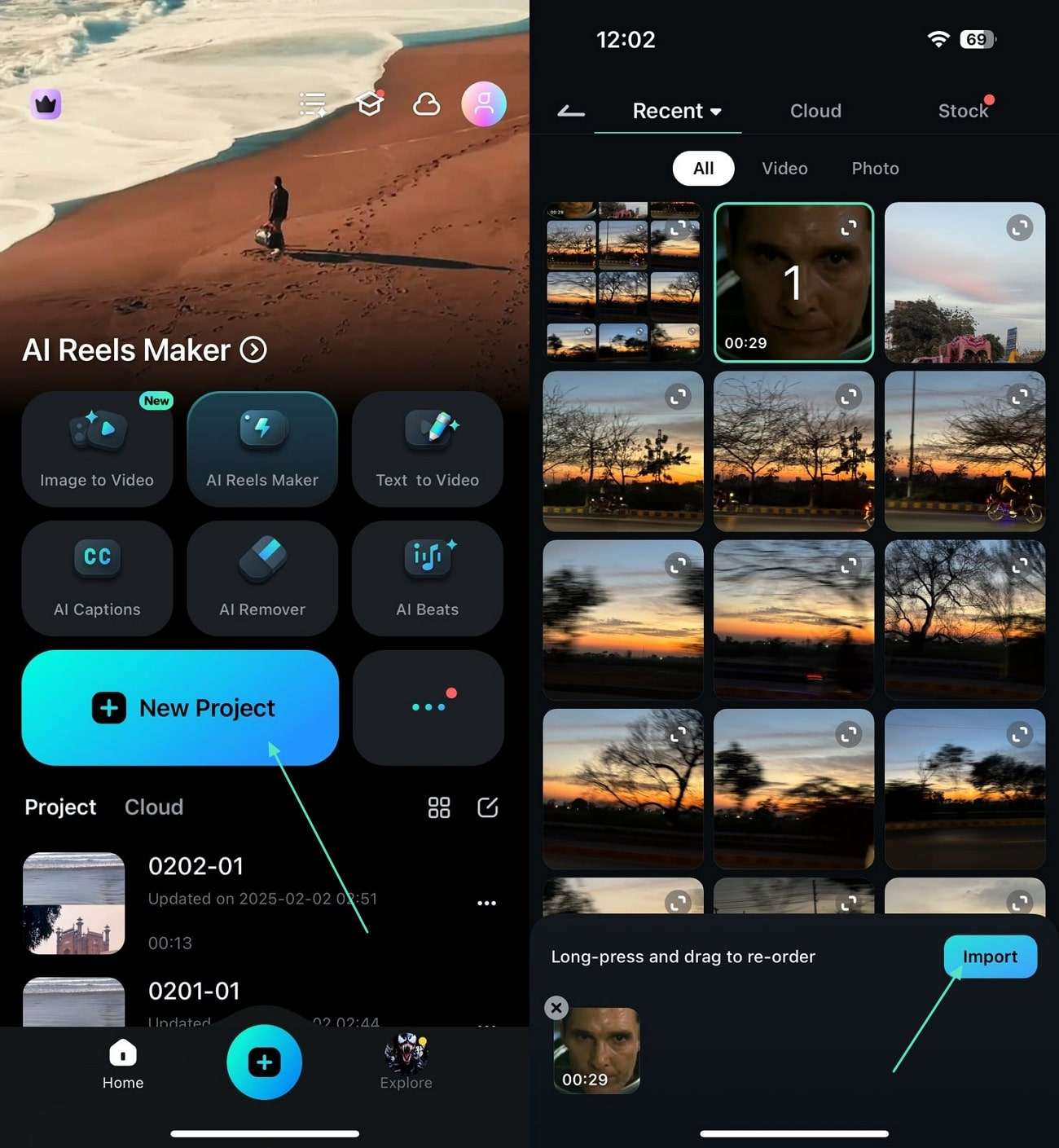
01of 06Import Your Video
Launch the Filmora Mobile App and import the video you want to caption.
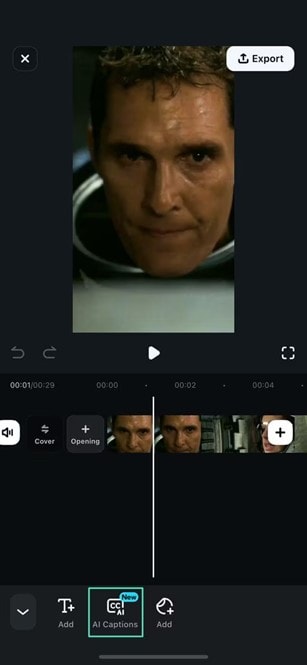
02of 06Open AI Captions
Access the AI Captions feature. Filmora will use the video's spoken audio as the source for automatic caption generation.
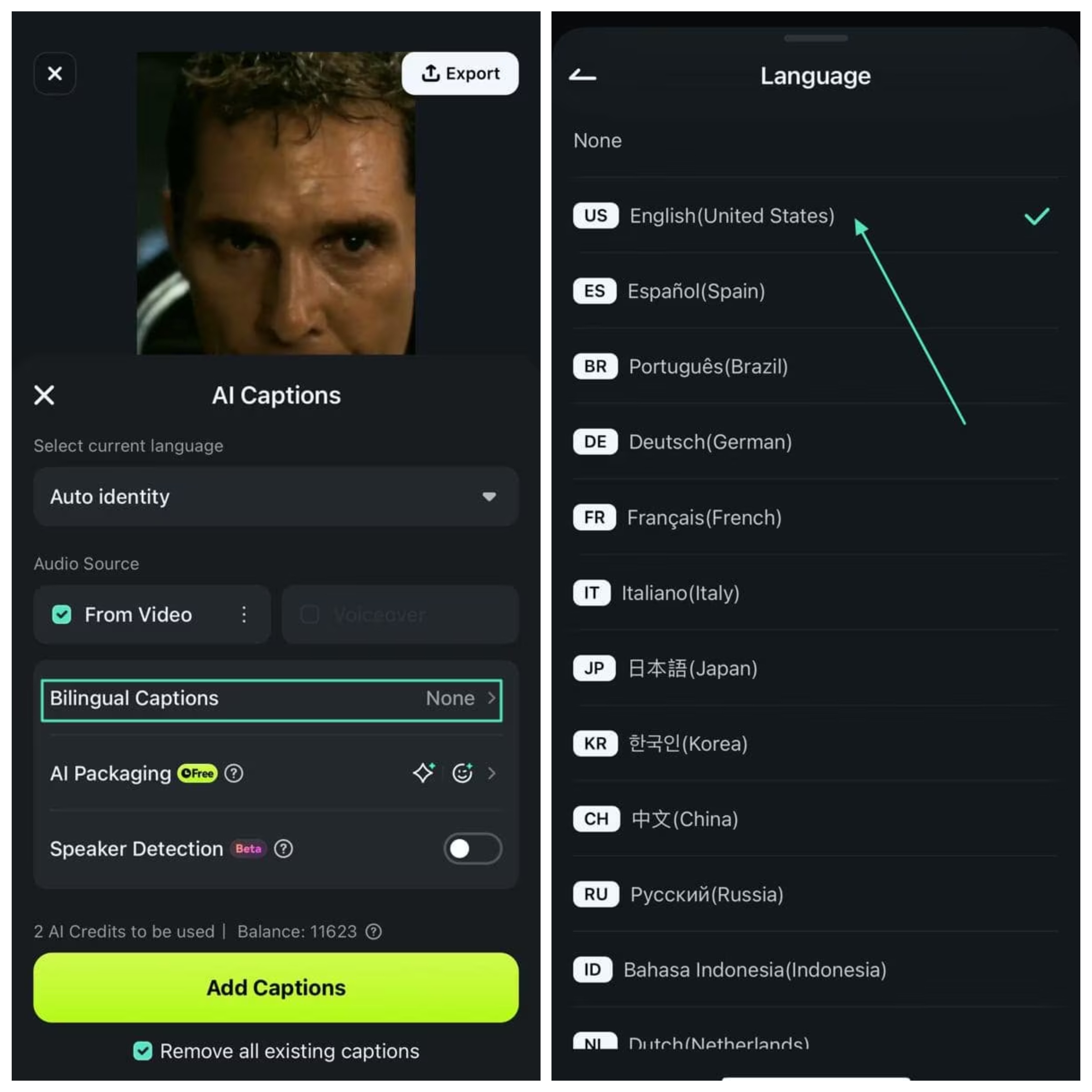
03of 06Choose Your Caption Language
Select the language used in the video. Filmora Mobile supports more than 20 caption languages. If your workflow requires two languages, you can also use the available bilingual subtitle option.
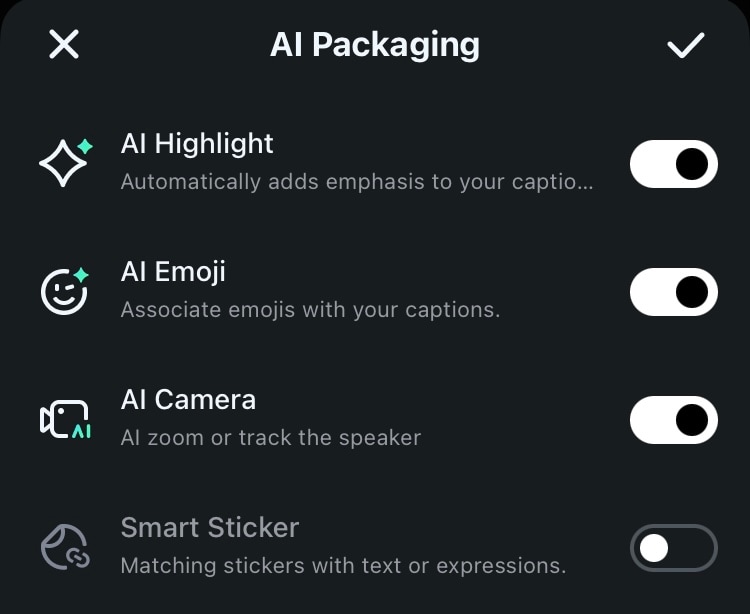
04of 06Enable Optional AI Caption Enhancements
If appropriate for your video, you can use additional caption-related AI tools such as AI Highlight to emphasize important words or Speaker Detection for videos containing multiple speakers.
05of 06Review and Customize the Captions
After Filmora generates the captions, review the transcription and correct any errors. Then customize the caption appearance and position to fit your video.
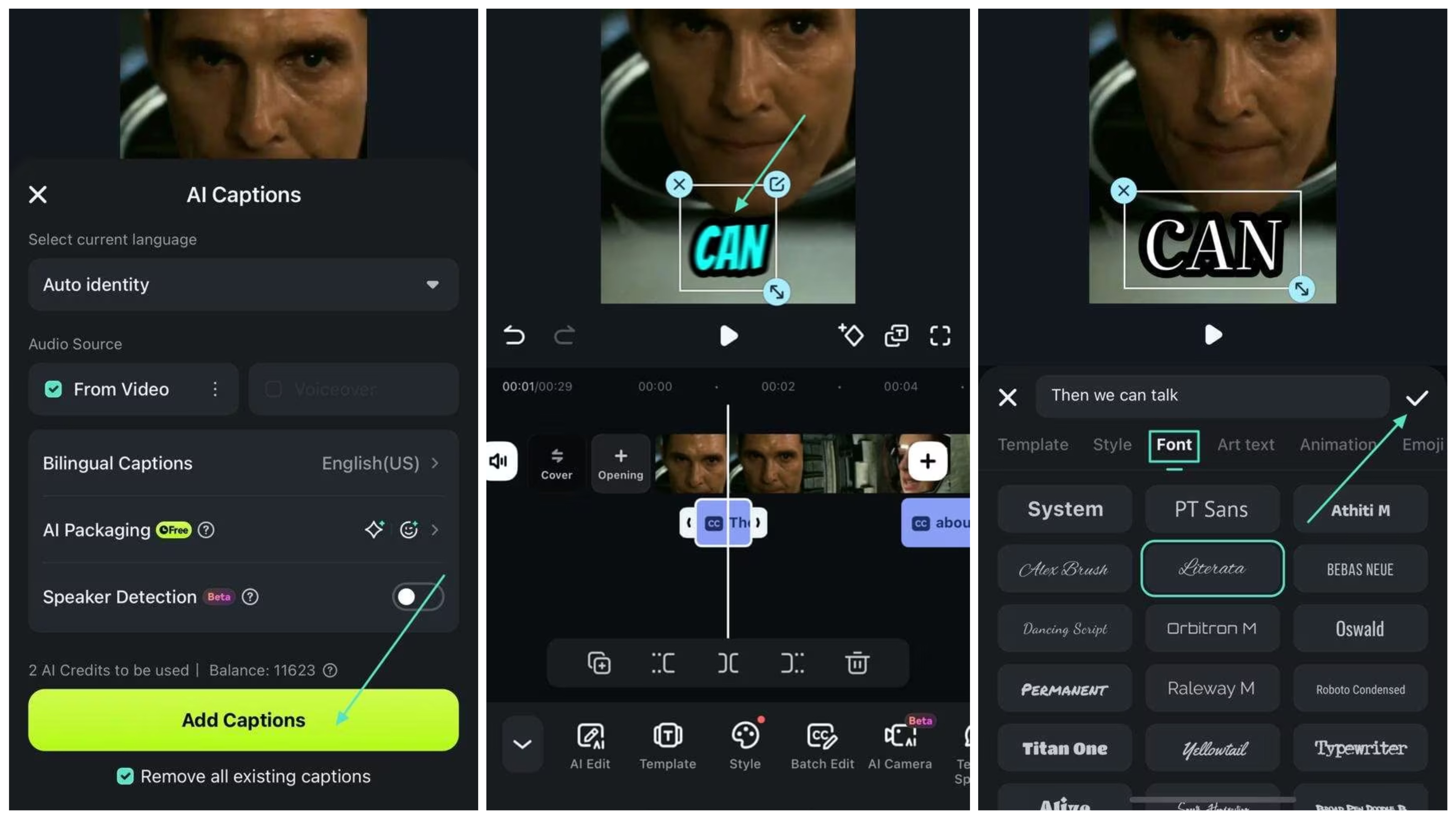
06of 06Preview and Export
Preview the complete video to check the caption text, timing, and readability. When everything looks right, export the video for TikTok, Instagram, YouTube, or another destination.
Where Mobile AI Captions Are Useful
- TikTok and Reels: Create readable captions and visually emphasize important words in short-form videos.
- YouTube Shorts: Add synchronized captions before uploading short-form content.
- Podcasts and Interviews: Generate subtitles for dialogue and use Speaker Detection when multiple people are speaking.
- Tutorials: Turn spoken instructions into captions and highlight important steps or terminology.
 secure download
 Part 3. More Caption Control with Filmora for Windows and Mac
If you also edit on a computer, Filmora for Windows and Mac provides a more extensive caption workflow for longer projects, interviews, tutorials, podcasts, social videos, and multilingual content.
Filmora currently provides two related caption workflows: Speech to Text for generating editable captions and Dynamic Captions for adding synchronized visual highlighting and animation to spoken words.
Filmora Desktop Caption Features
- Automatic Speech-to-Text: Convert spoken dialogue into editable captions.
- Up to 99% Accuracy for Clear Audio: Filmora's current product page reports up to 99% transcription accuracy when the source audio is clear.
- 50+ Source Languages: Transcribe spoken content in more than 50 supported source languages.
- Active Words: Highlight individual words as they are spoken.
- Key Words: Automatically identify and visually emphasize important words and phrases.
- Multi-Speaker Detection: Identify different speakers and add speaker labels.
- 100+ Caption Templates and 120+ Animations: Apply different visual treatments to generated captions.
- Caption Translation: Translate captions into 30+ languages and create a synchronized secondary subtitle track.
Note: Filmora's published accuracy figure refers to its own product claims for clear audio. Actual transcription accuracy depends on factors such as recording quality, background noise, accents, overlapping dialogue, and terminology.
How to Generate Auto Captions in Filmora Desktop
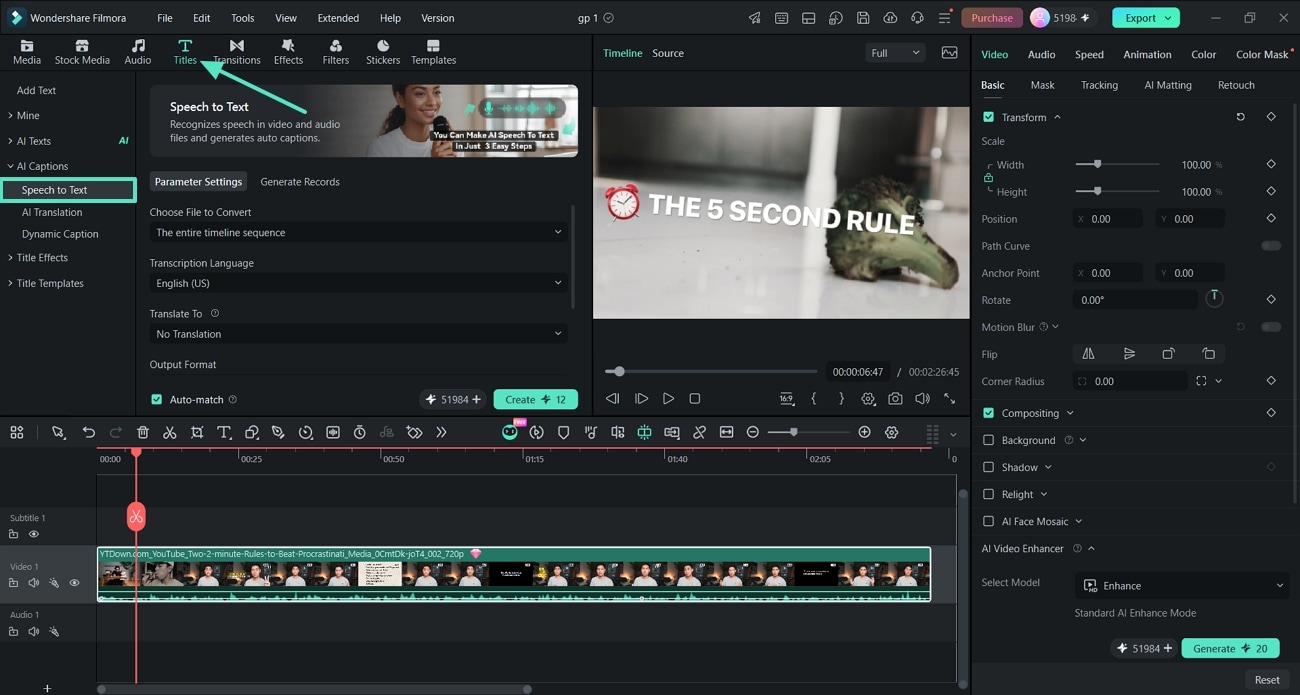
Filmora's current Windows workflow places its caption tools under Titles → AI Captions. You can choose either Speech to Text or Dynamic Captions depending on the result you want.
Method 1. Generate Editable Captions with Speech to Text
01of 03Open Speech to Text
Import your video into Filmora and add it to the timeline. From the top menu, open Titles → AI Captions → Speech to Text. Select the appropriate language and output settings, then create the captions.
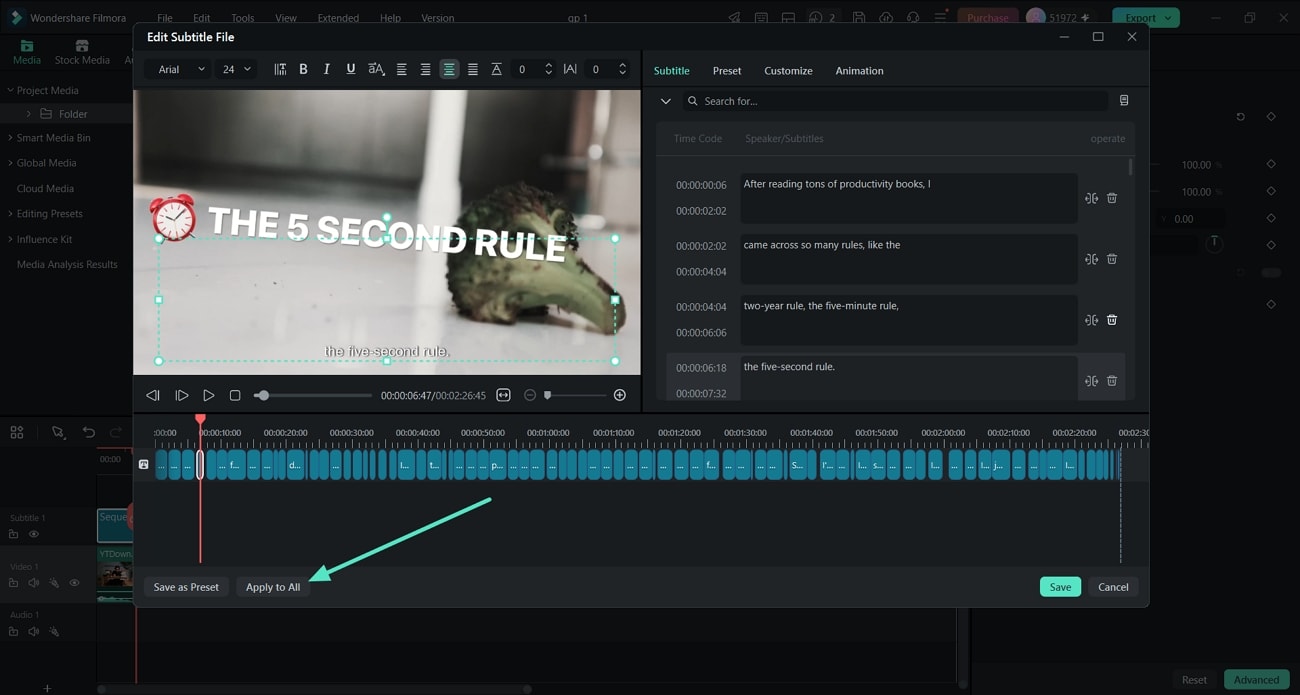
02of 03Review and Edit the Generated Captions
Once Filmora generates the caption track, double-click it to review and edit the text. Correct names, terminology, or any words that were not transcribed correctly.
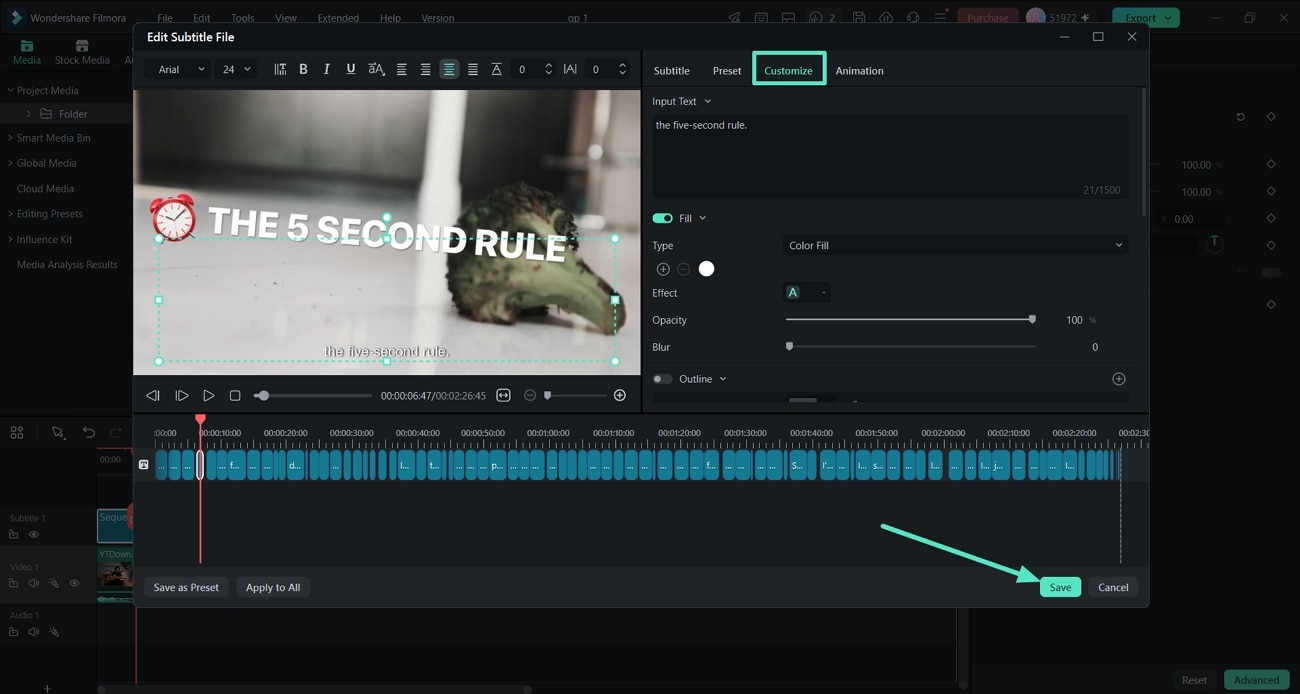
03of 03Customize the Caption Style
Open the caption customization controls to adjust the visual appearance. When appropriate, use Apply to All to maintain consistent styling across the caption track.
Method 2. Create Animated Dynamic Captions
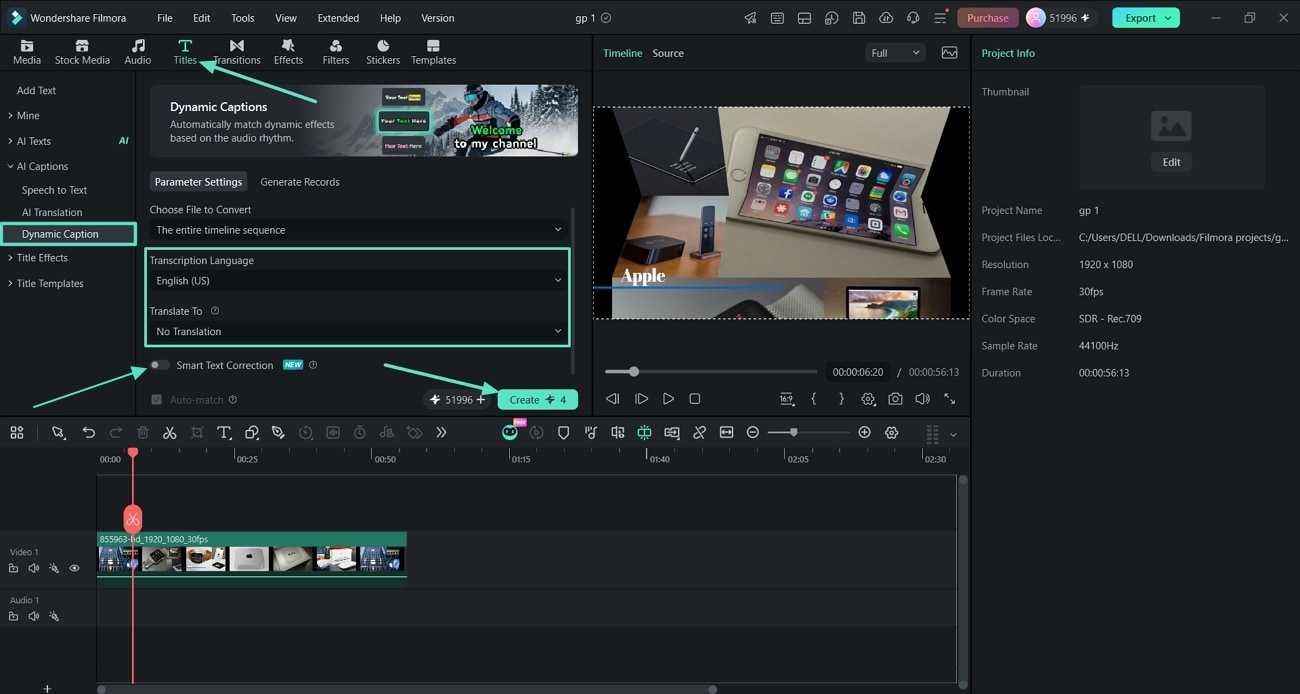
01of 03Open Dynamic Captions
Go to Titles → AI Captions → Dynamic Captions. Choose the spoken language and translation settings if needed, then generate the captions.
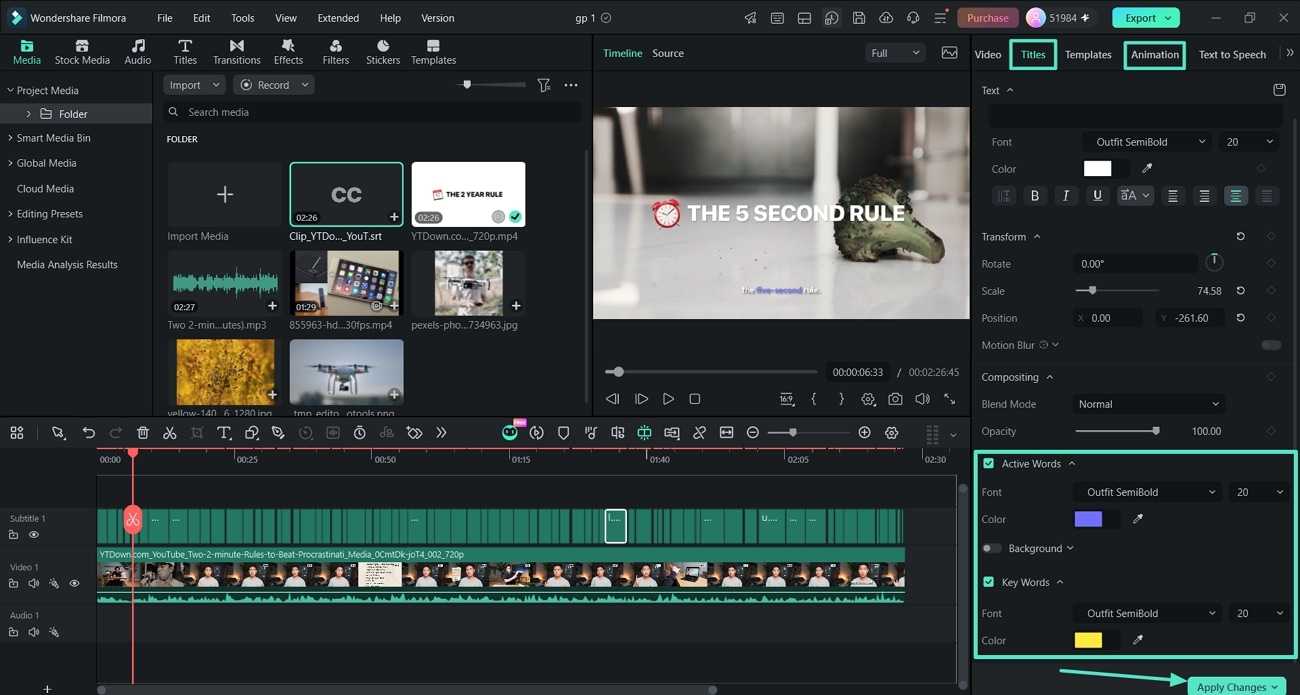
02of 03Choose Active Words or Key Words
After generation, customize how Filmora highlights the spoken content. Active Words follows the speech word by word, while Key Words identifies important words or phrases for emphasis. You can also apply caption animations.
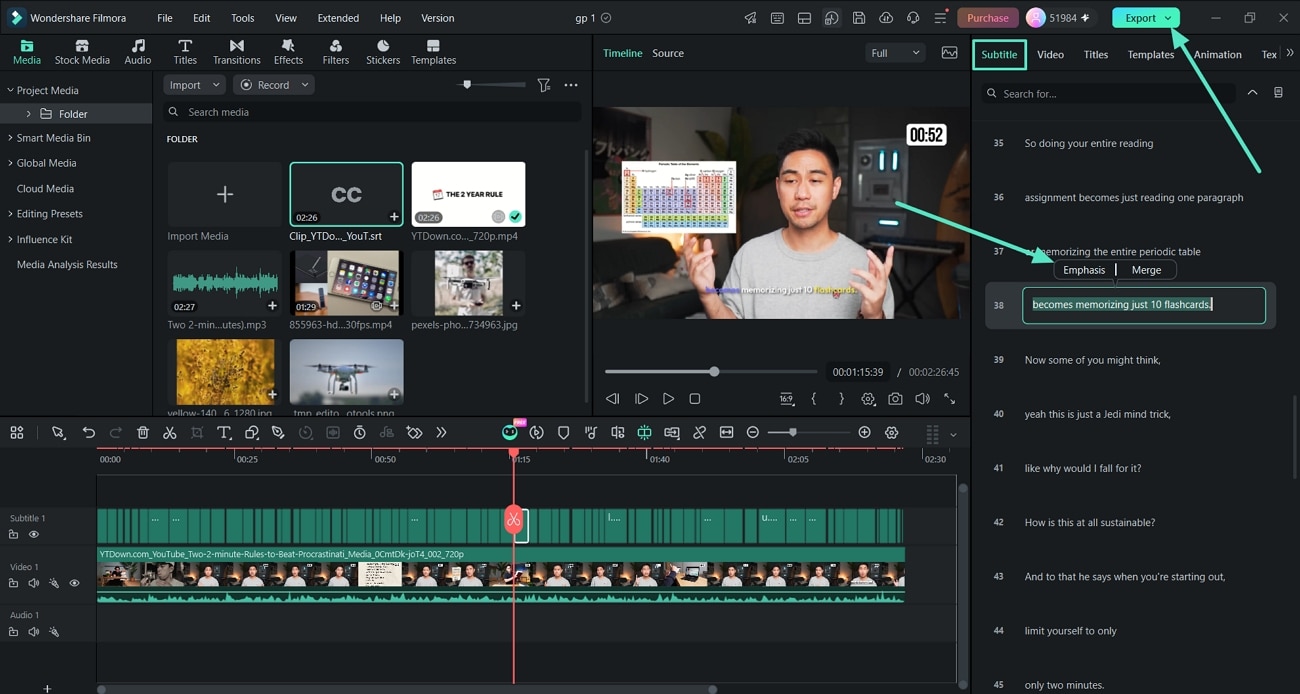
03of 03Add Emphasis Where Needed
Select caption text that needs additional emphasis and use the Emphasis control to visually distinguish it from the surrounding words.
Part 4. InShot vs Filmora Captions
InShot and Filmora can both generate captions for mobile video workflows, but their broader editing and caption customization options differ. Filmora also provides a separate desktop workflow when a project needs more extensive caption controls.
| Feature | InShot | Filmora Mobile | Filmora Desktop |
|---|---|---|---|
| Automatic Captions | Yes, in supported versions | Yes | Yes |
| Manual Caption Editing | Yes | Yes | Yes |
| Caption Styling | Available text and caption styles | Caption customization + AI-assisted enhancements | 100+ templates and 120+ animations |
| Dynamic Word Highlighting | Depends on available styles/version | AI Highlight | Active Words + Key Words + Emphasis |
| Multiple Speakers | Not specified here | Speaker Detection | Multi-Speaker Detection |
| Language Support | Varies by app version | 20+ caption languages + bilingual subtitles | 50+ transcription languages; caption translation to 30+ languages |
| Best Fit | Quick mobile and social edits | Mobile captioning combined with AI-assisted video editing | Longer projects and more extensive caption styling, animation, and multilingual workflows |
The best choice depends on your workflow. If InShot already provides the caption generation and styling you need, you can complete the entire edit there. Filmora Mobile provides another option when you want AI-assisted caption features within a broader mobile editor, while Filmora Desktop extends the workflow with Dynamic Captions, Active Words, Key Words, multi-speaker detection, and caption translation.
Frequently Asked Questions
Does InShot have auto captions?
InShot provides automatic captioning in supported app versions. You can use it to convert spoken audio into subtitle text and then review and style the generated captions. The exact interface and available options can vary by version and device.
How do I add auto captions in InShot?
Import your video into InShot, open the available caption controls, choose the spoken language and audio source, and start automatic caption generation. Review the generated text before exporting because speech-to-text results can vary with audio quality.
Can Filmora automatically add captions on mobile?
Yes. Filmora Mobile includes AI Captions that automatically converts spoken audio into synchronized subtitle text. It supports more than 20 caption languages and bilingual subtitles.
What are Dynamic Captions in Filmora?
Dynamic Captions are Filmora's animated caption workflow for Windows and Mac. They can synchronize captions with speech and use Active Words to highlight words as they are spoken or Key Words to emphasize important phrases.
How accurate are Filmora's automatic captions?
Filmora's current product page reports up to 99% transcription accuracy for clear audio. Actual results can vary depending on recording quality, background noise, speakers, accents, and terminology, so generated captions should still be reviewed before publishing.
Can Filmora translate automatic captions?
Yes. Filmora Desktop can translate generated captions into more than 30 supported languages and create a synchronized secondary subtitle track. Caption translation is separate from AI Video Translation, which is used when you need translated voice, voice cloning, or lip-sync.
Conclusion
If you're searching for how to add captions in InShot, the app's automatic caption workflow provides a convenient way to generate subtitles directly on your phone. Import your video, generate the captions from the spoken audio, review the transcription, customize the text, and export the finished video.
For creators who want another mobile option, Filmora combines AI Captions with 20+ caption languages, bilingual subtitles, AI Highlight, Speaker Detection, and broader mobile editing tools. For projects that move to Windows or Mac, Filmora's desktop workflow adds Speech to Text, Dynamic Captions, Active Words, Key Words, multi-speaker detection, and caption translation for more extensive control over caption creation and styling.