
 TL;DR:
For single-platform uploads, use the built-in captioning options on YouTube, Facebook, and Instagram, but for multi-platform consistency, use a video editor like Filmora to bake styled subtitles into your file before publishing.
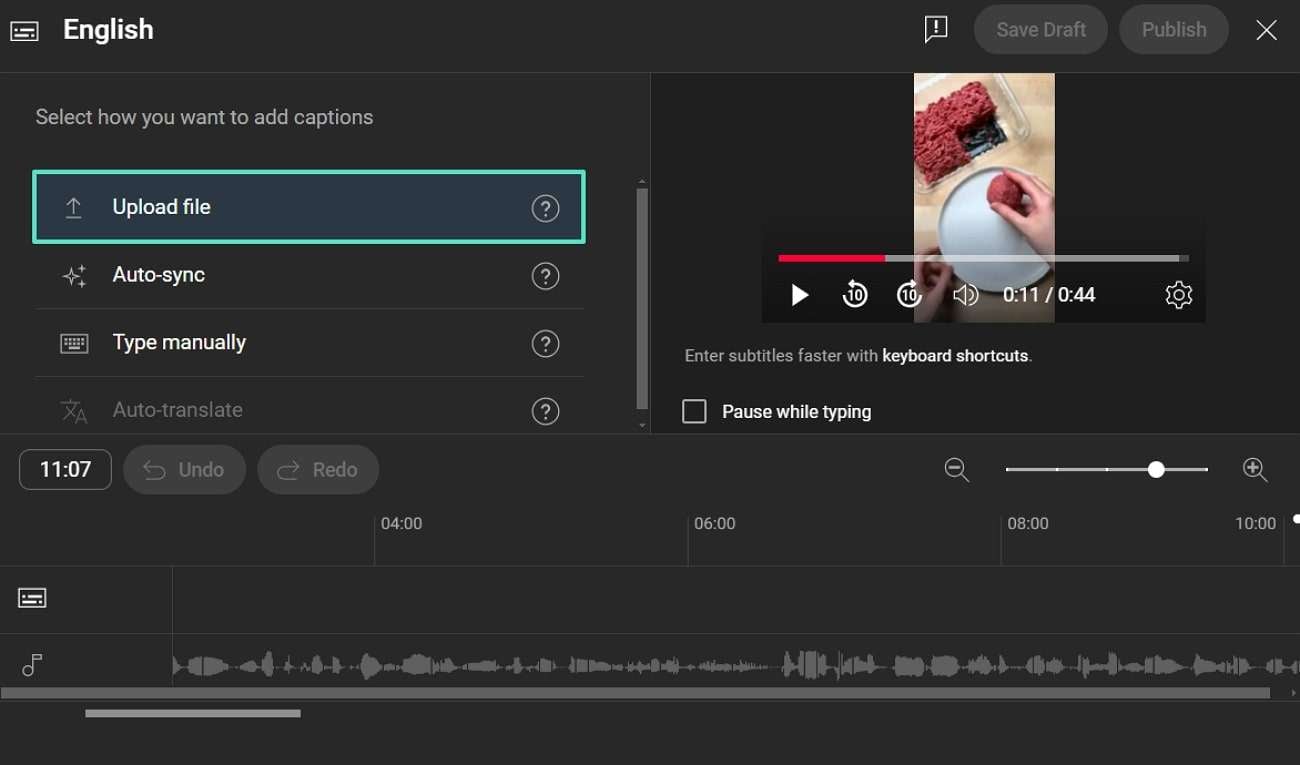
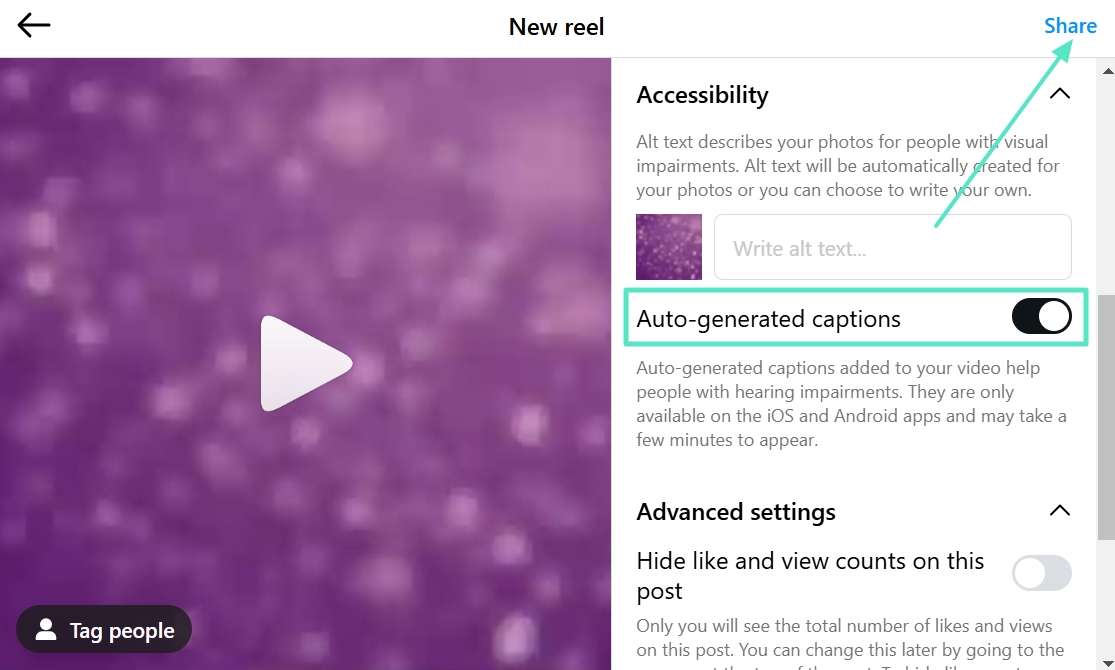
● YouTube Studio and Facebook require uploading a prepared subtitle file or using manual post-upload editors, while Instagram automatically generates standard captions within its accessibility settings.
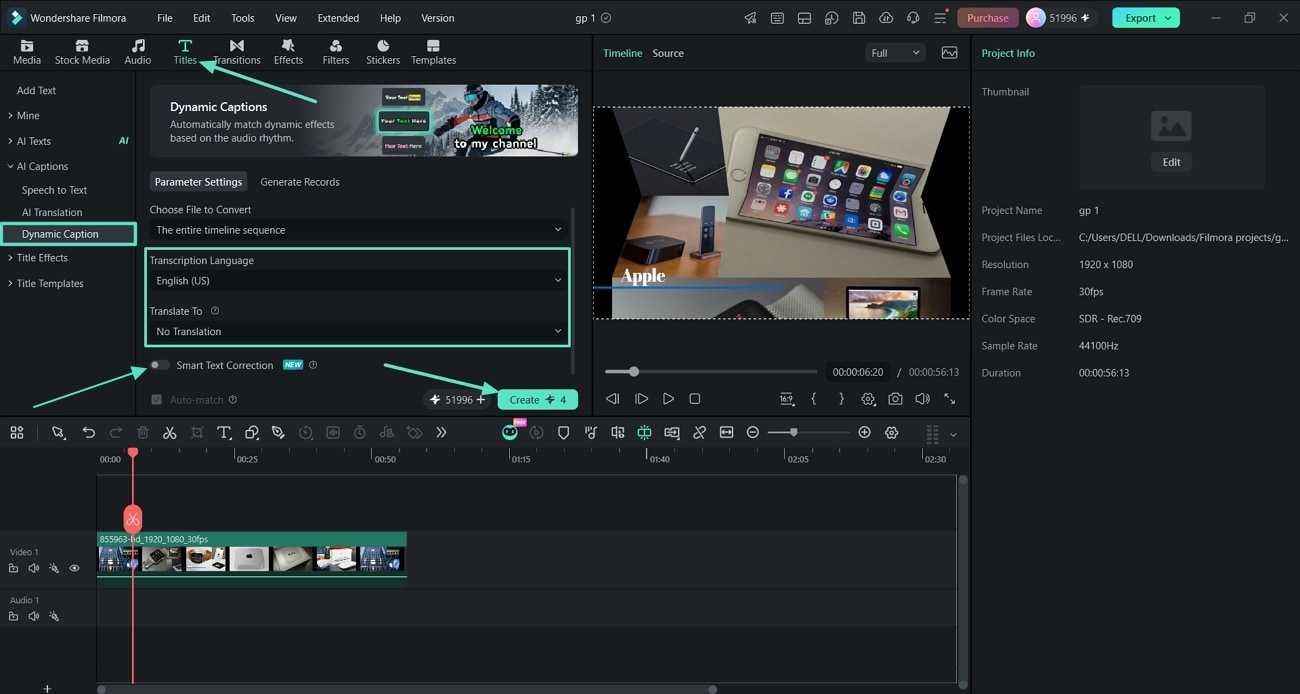
● Filmora desktop for Windows and macOS includes a Dynamic Captions workflow that turns speech into animated text, allowing you to highlight active spoken words using over 100 templates and 120 animations.
● Filmora can translate generated subtitles into more than 30 languages across both desktop and mobile apps, but you must manually review the AI transcription to correct names, technical terms, and unclear speech.
Ask AI for a summary
 ChatGPT
 Perplexity
 Gemini
 Claude
 Grok
Grok
Creating effective video content requires more than compelling visuals. Subtitles and captions make videos easier to follow when the sound is off, improve accessibility for viewers who are deaf or hard of hearing, and help audiences understand content spoken in another language.
You can add subtitles directly on platforms such as YouTube, Facebook, and Instagram, or create and style them before publishing with a video editor. This guide explains how to add subtitles to a video using both approaches, including how to automatically generate animated captions with Filmora.
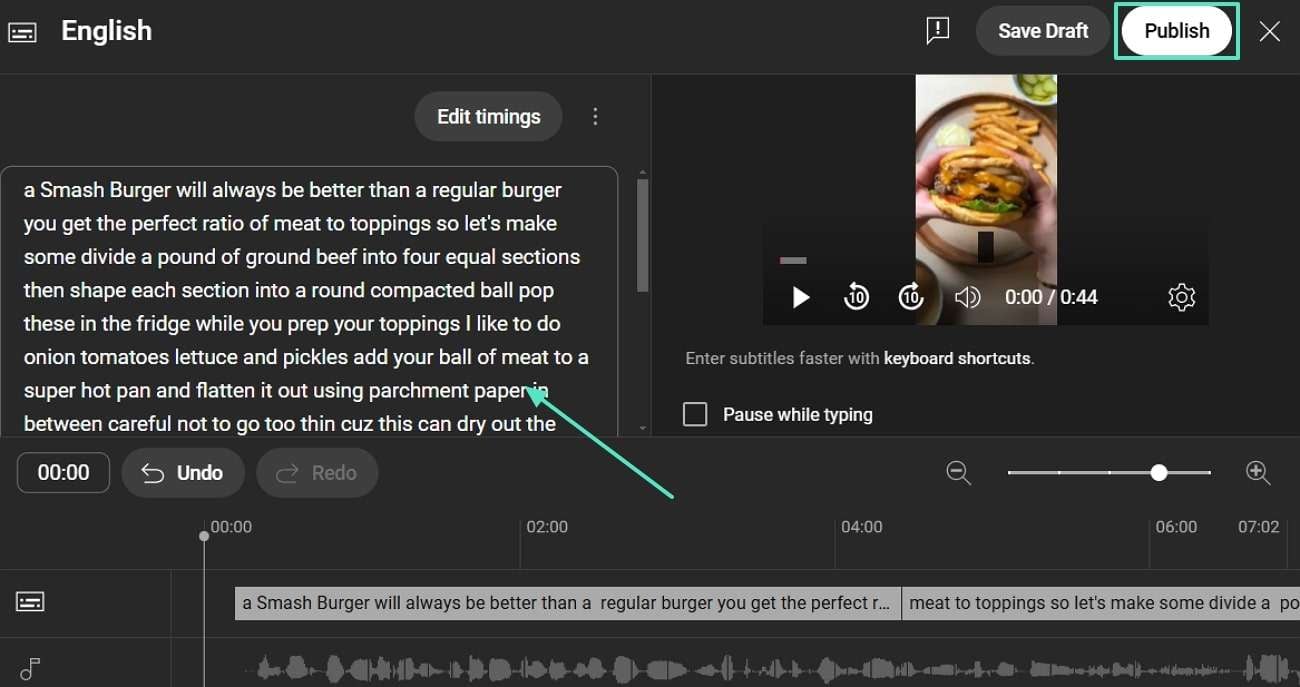
Part 1. How To Add Subtitles to an Existing YouTube Video?
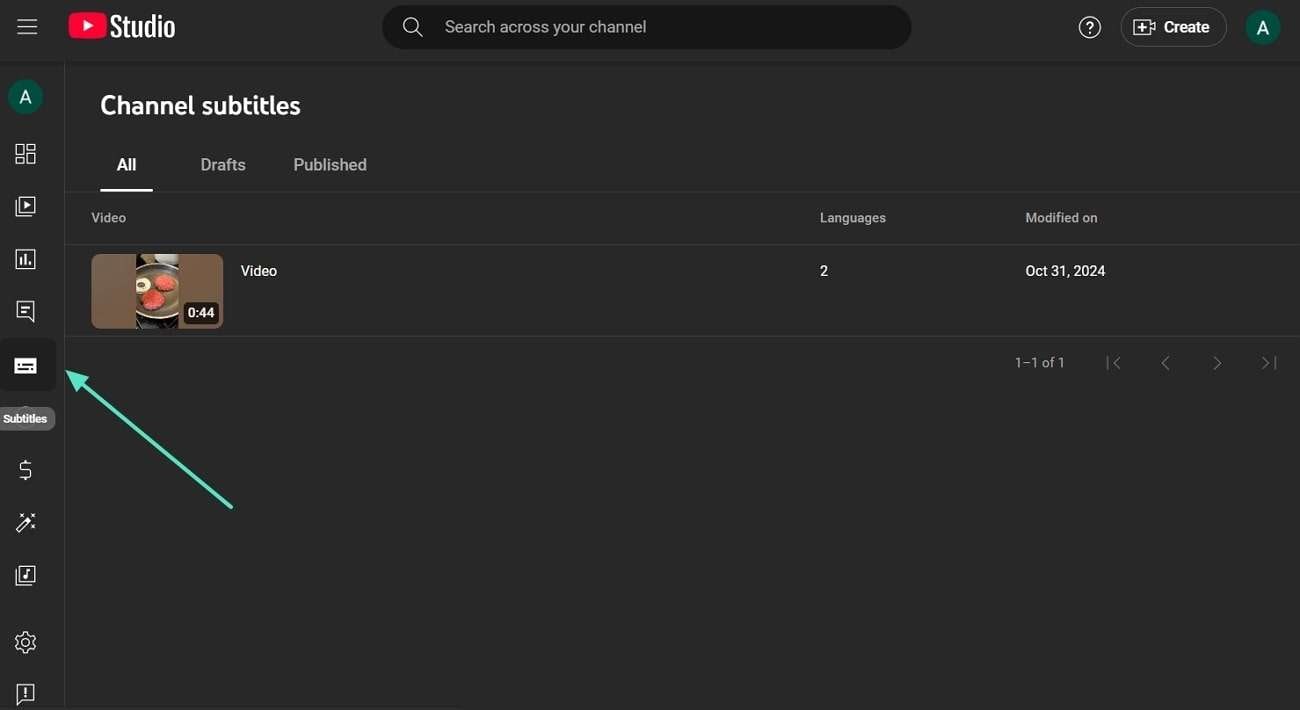
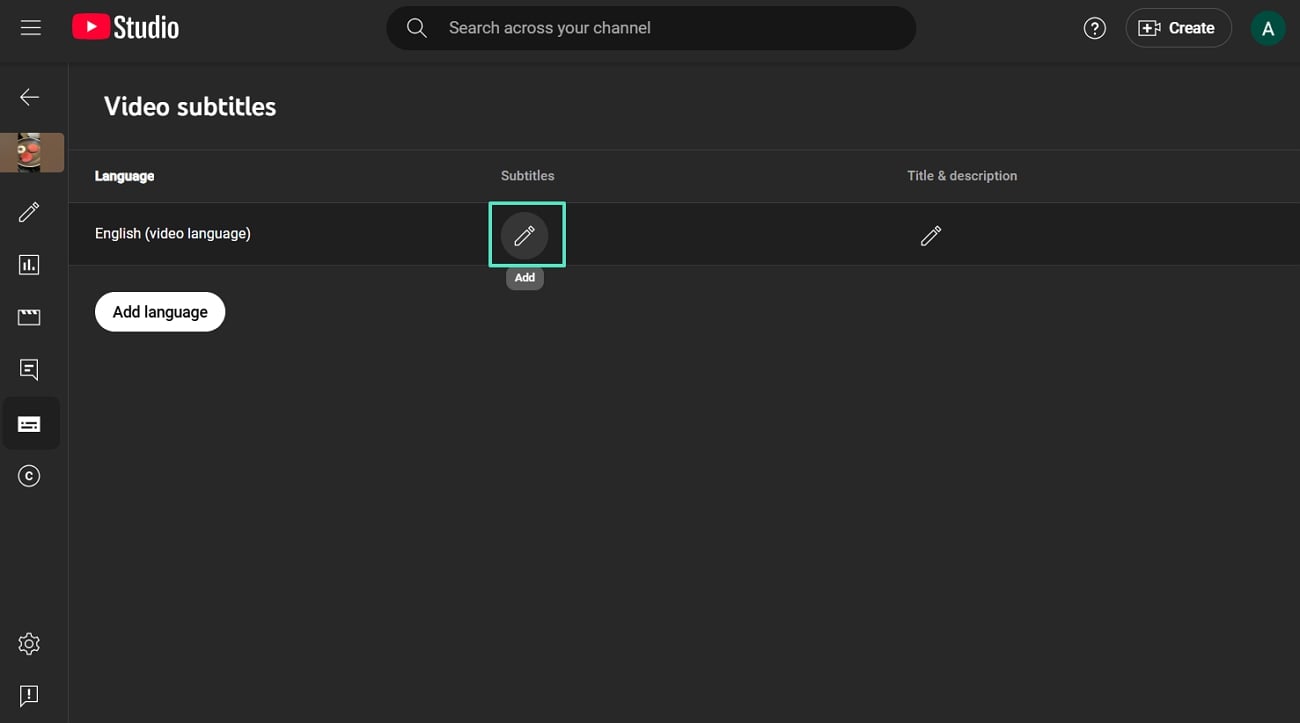
YouTube provides built-in subtitle tools through YouTube Studio. If your video has already been uploaded, you can add, edit, or upload subtitles without re-editing the original video.
Follow these steps to add captions to a YouTube video:
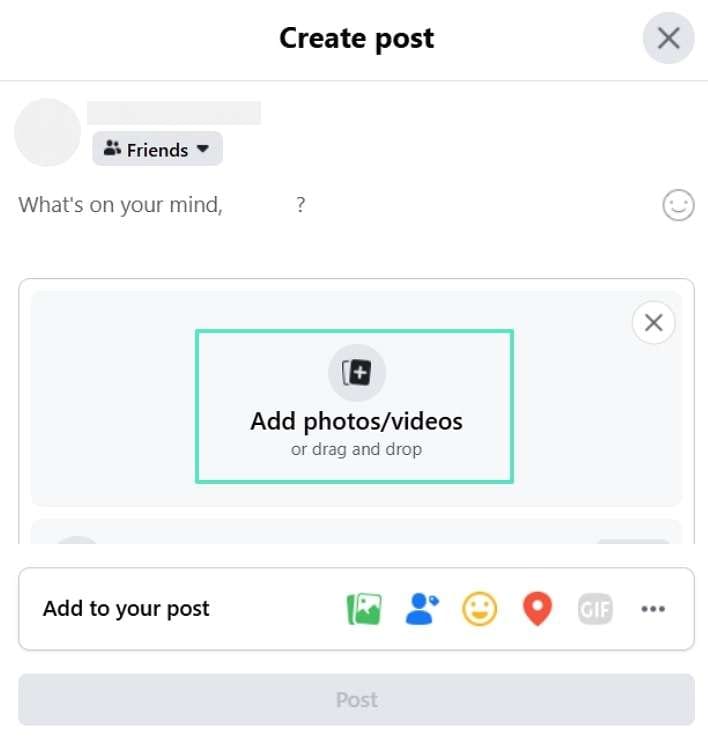
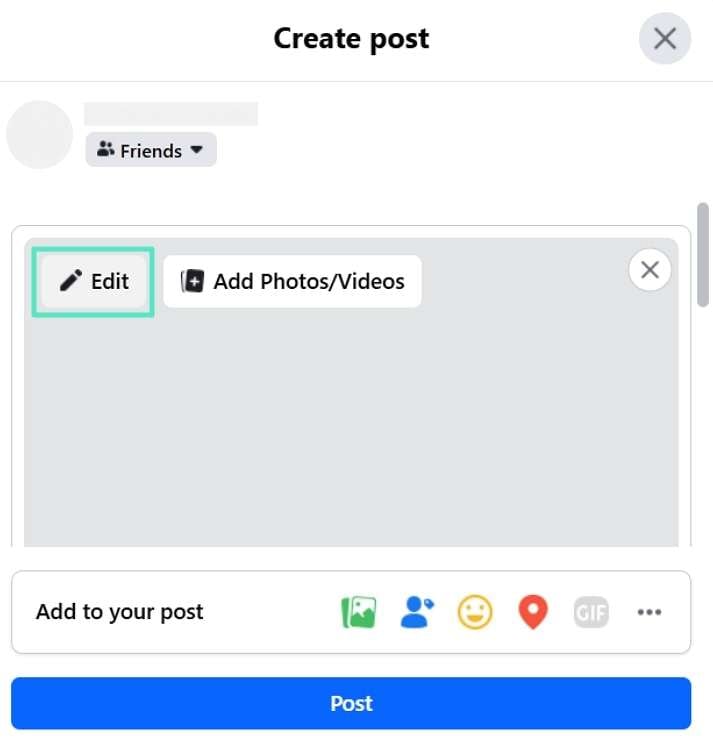
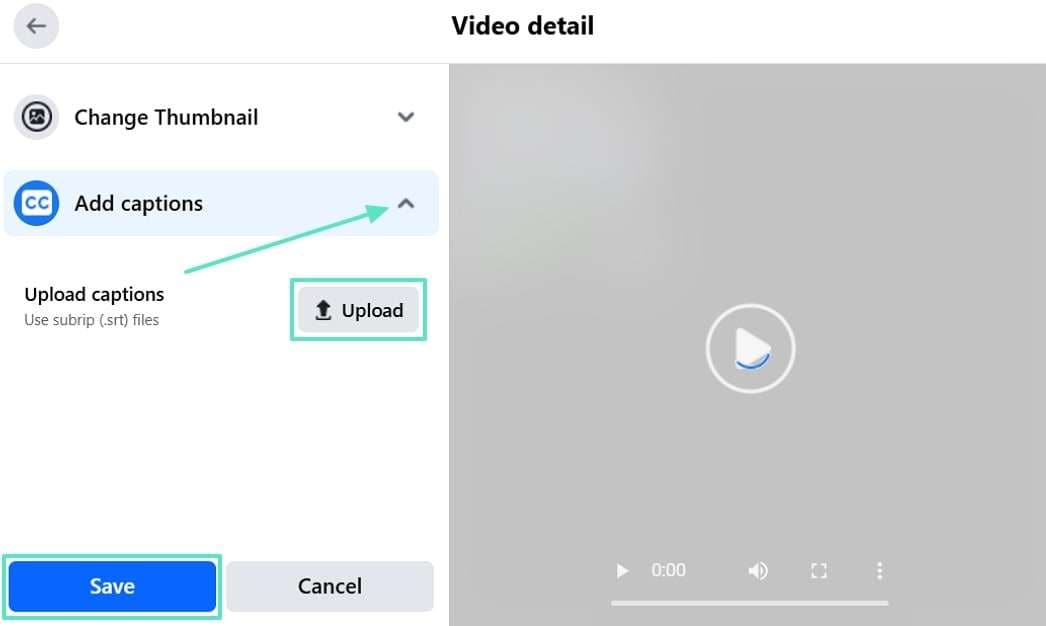
Part 2. How To Add Subtitles to a Video on Facebook?
Facebook also provides caption options when publishing supported video content. If you already have a subtitle file, you can add it as part of the publishing workflow.
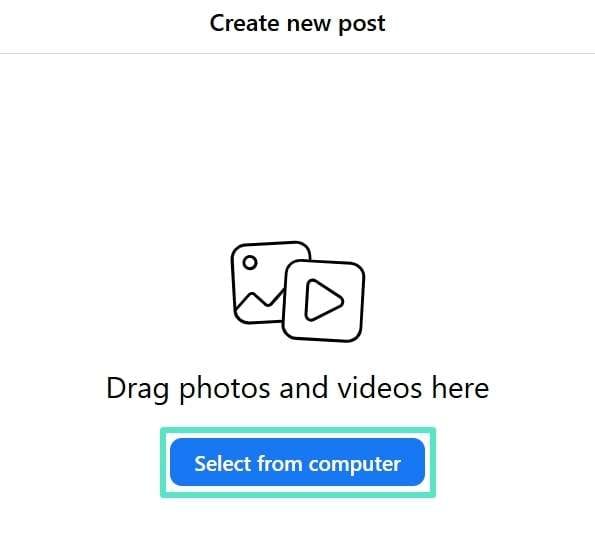
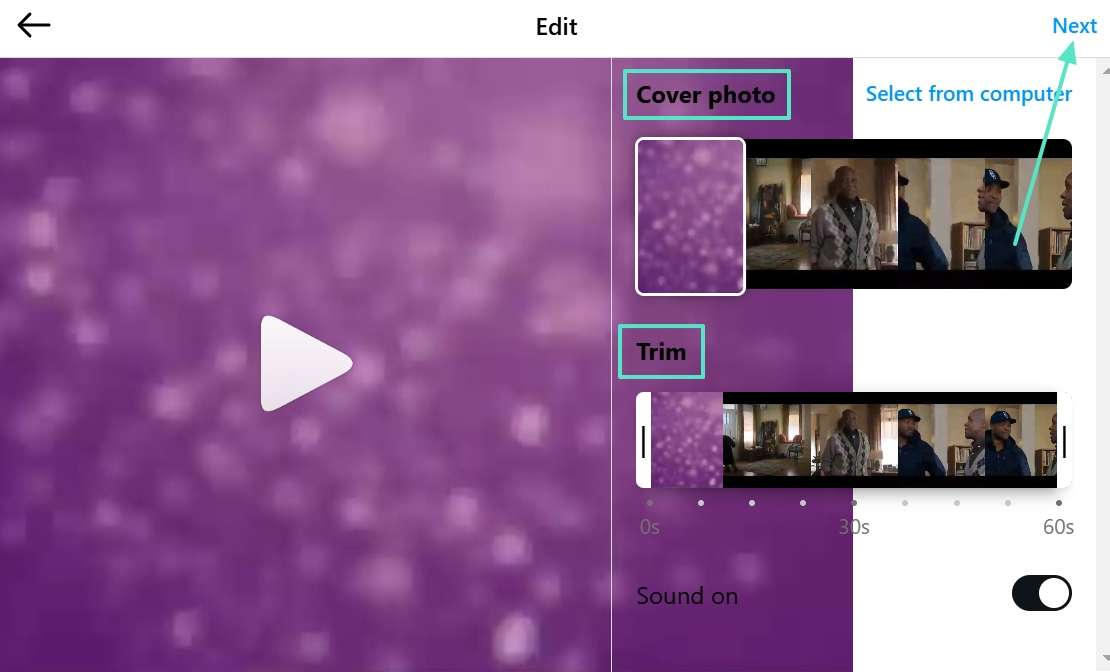
Part 3. How To Add Subtitles to a Video on Instagram?
Instagram provides automatic caption functionality for supported video content. This can make spoken content easier to follow when viewers watch with the sound off.
Part 4. How To Automatically Add Captions to a Video Before Posting
Platform-generated captions are convenient when a video has already been uploaded, but creating captions before publishing gives you more control over their wording, timing, appearance, animation, and placement.
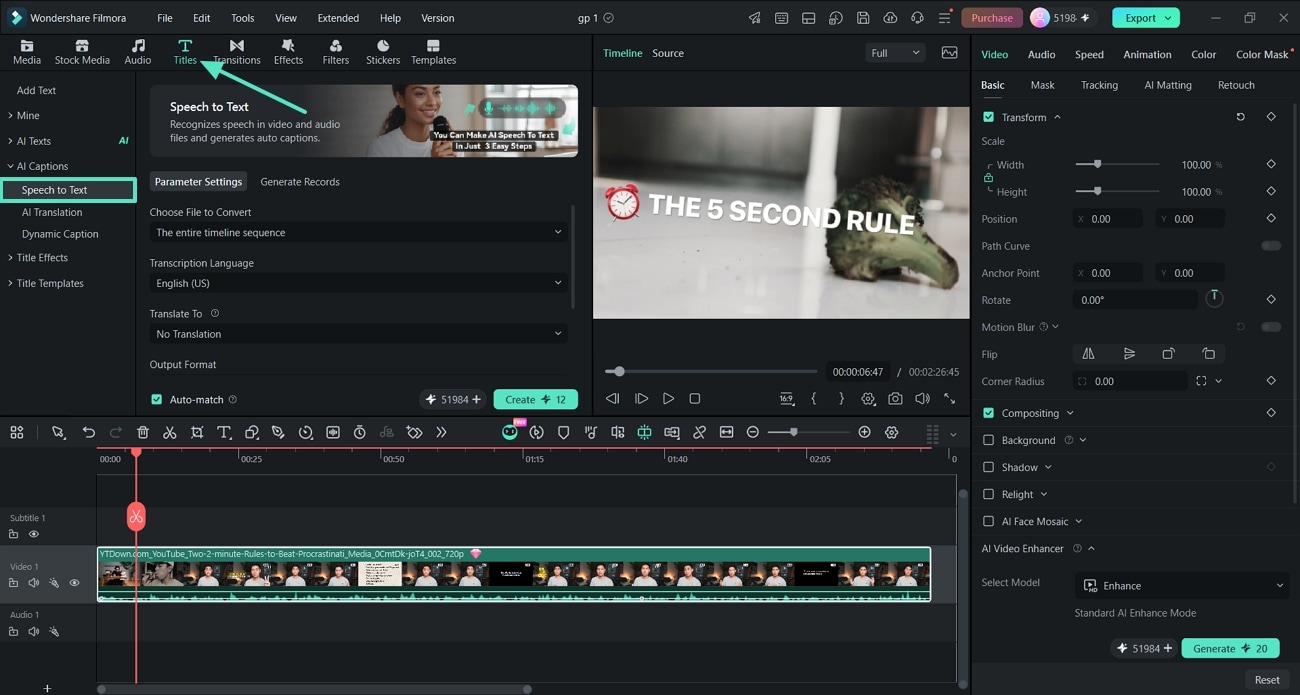
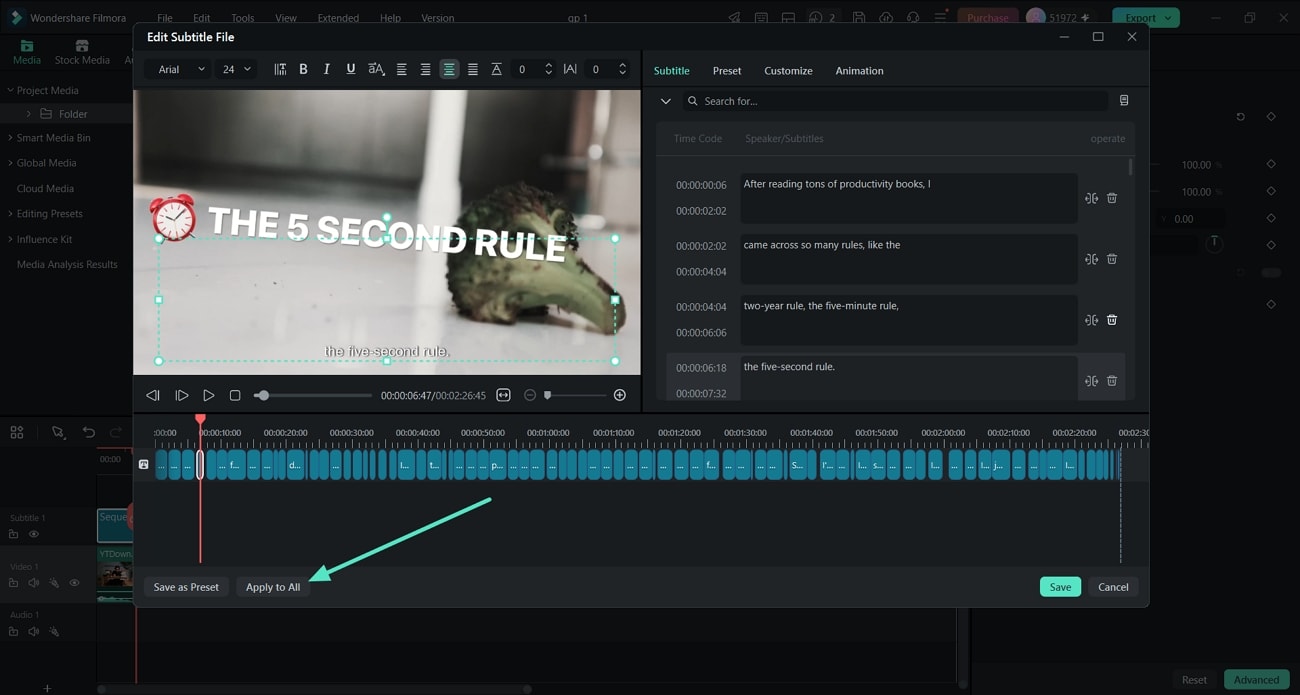
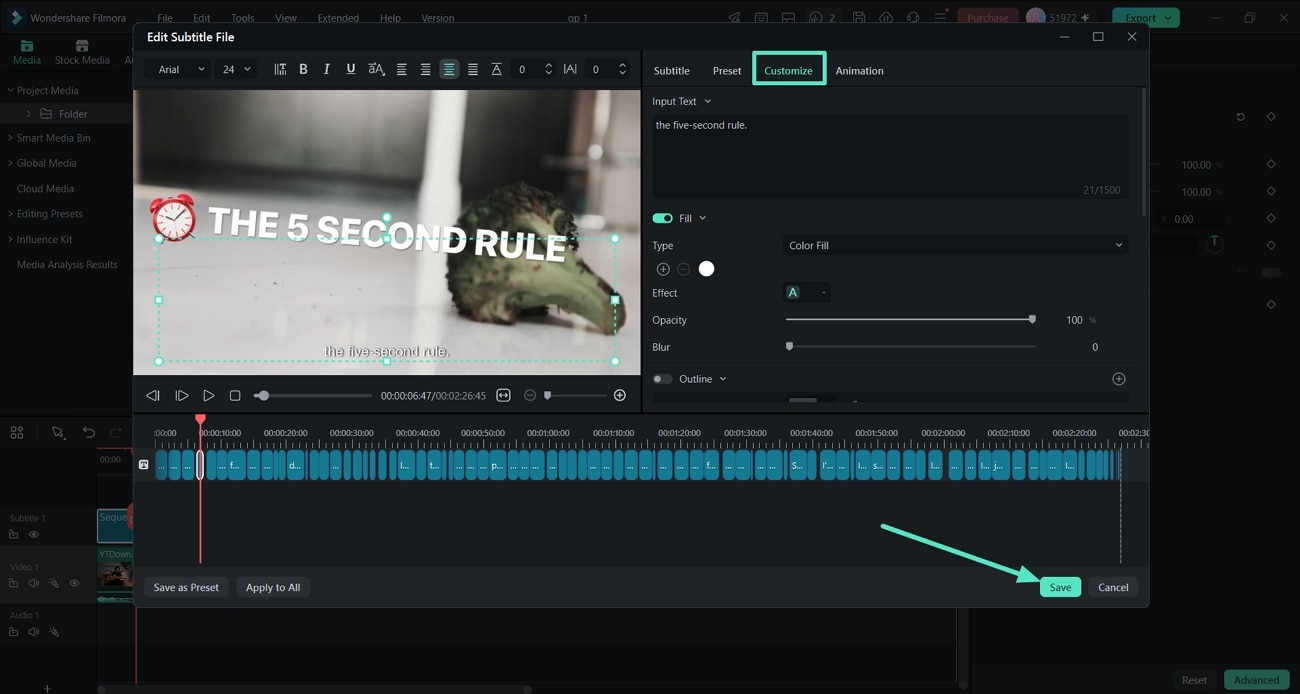
Filmora Auto Caption uses speech-to-text technology to automatically turn spoken audio into synchronized captions. You can then edit the transcription and transform ordinary subtitles into styled Dynamic Captions directly within your video project.
Filmora provides two useful caption workflows: Speech to Text for generating editable subtitles and Dynamic Captions for creating animated captions with word highlighting, emphasis, and customizable styles.
Why Use Filmora Auto Caption?
- Generate captions automatically: Convert speech into synchronized subtitles without manually typing every line.
- Smart sentence segmentation: Break spoken content into readable caption segments automatically.
- Edit generated captions: Review and correct the recognized text before exporting.
- Create Dynamic Captions: Turn speech-to-text subtitles into animated captions designed for modern video content.
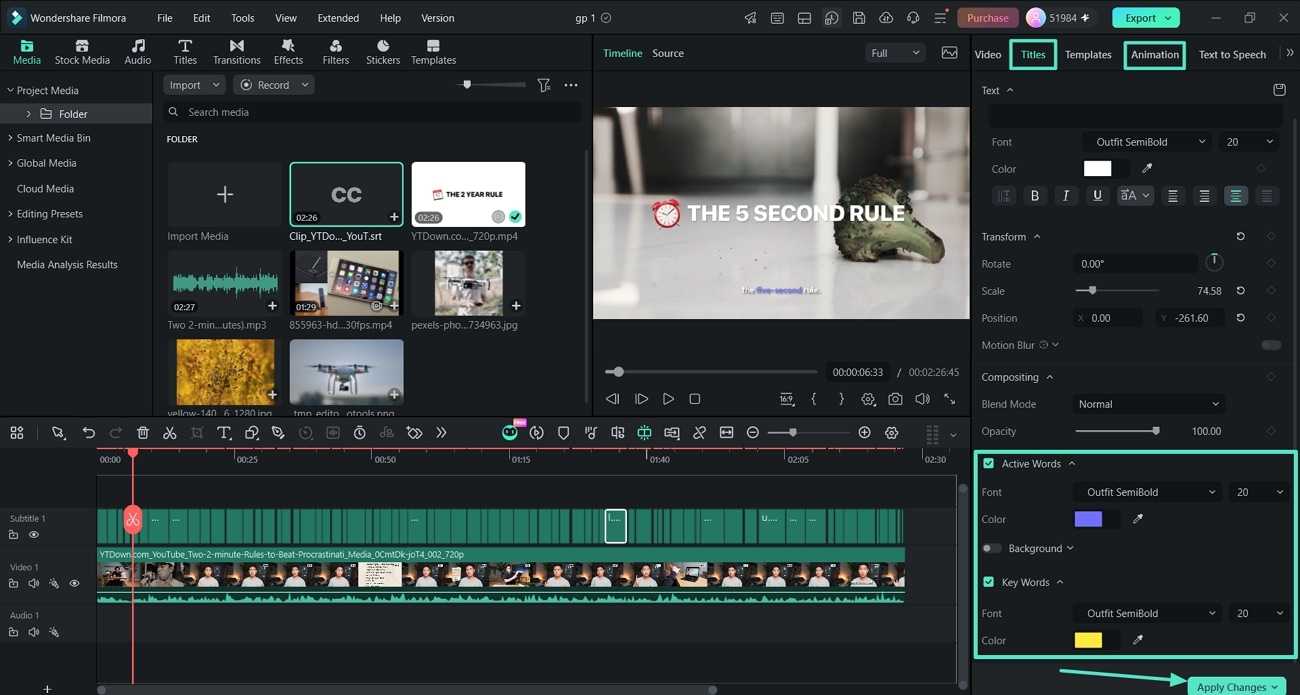
- Highlight active words: Emphasize words as they are spoken to help viewers follow the dialogue.
- Highlight key words: Draw attention to important words and phrases within the captions.
- Detect multiple speakers: Identify different speakers and add speaker labels when supported by the source audio.
- Customize caption styles: Adjust typography, animations, emphasis, colors, outlines, shadows, glow, and other visual settings.
- Translate captions: Translate generated subtitles into 30+ languages for multilingual audiences.
How To Add Auto Captions in Filmora [Desktop]
Filmora combines automatic caption generation and video editing in one workflow, so you can generate, review, style, and animate captions before publishing your video.
Create Dynamic Captions for More Engaging Videos
If you want captions to become part of the visual style of your video, Filmora also provides a dedicated Dynamic Captions workflow. This is especially useful for talking-head videos, podcasts, tutorials, YouTube Shorts, TikTok videos, and Instagram Reels.
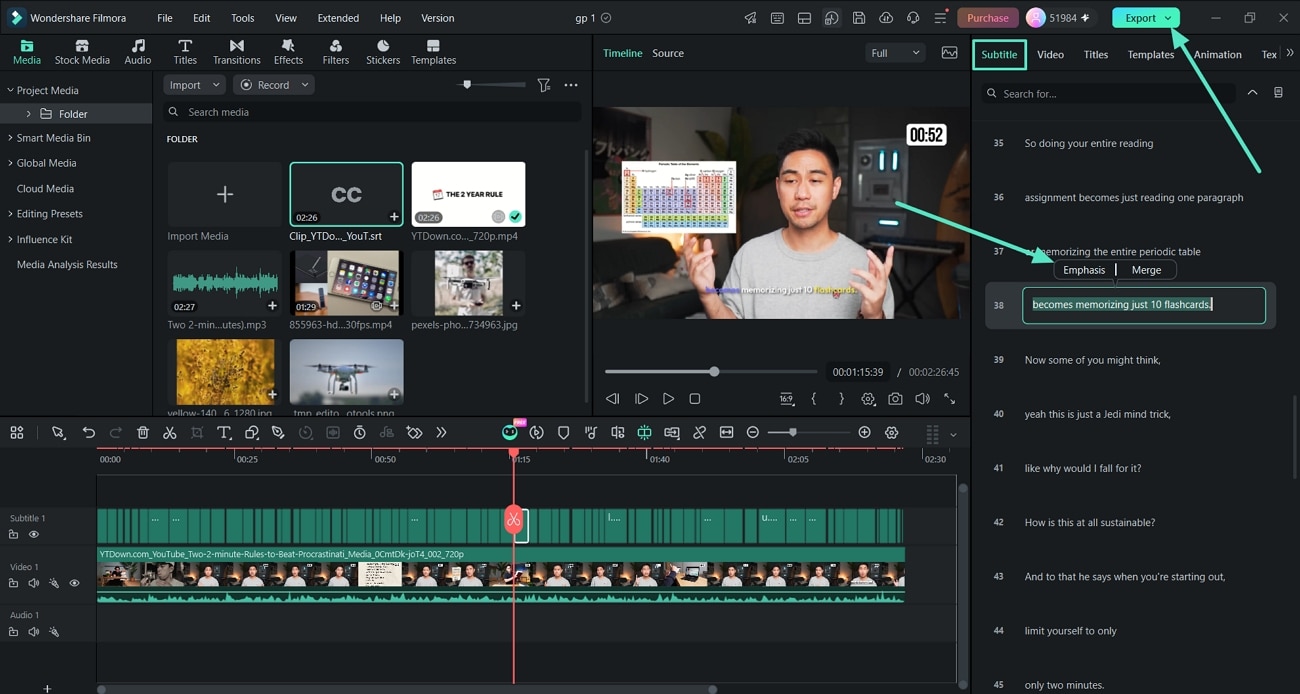
Turn Regular Subtitles into Dynamic Captions
Dynamic Captions are useful when subtitles need to do more than simply display spoken words. Filmora can highlight active words as they are spoken, emphasize key phrases, and apply animated caption styles without requiring you to manually animate every word.
This workflow is especially useful for talking-head videos, interviews, tutorials, podcasts, YouTube Shorts, TikTok videos, and Instagram Reels where captions are part of the overall visual experience.
Customize Auto Captions for Your Video Style
After generating captions, you can choose from 100+ caption templates and 120+ animations, including styles designed for social videos, cinematic content, karaoke-style captions, and other creative formats.
You can also customize typography and visual effects such as font, color, outline, glow, shadow, and opacity to match the look of your video.
Translate Captions for Multilingual Videos
If you want to reach viewers who speak another language, Filmora can translate generated captions into 30+ languages and create synchronized translated subtitles.
This is useful when adapting tutorials, educational videos, marketing content, interviews, and social videos for international audiences without manually rewriting every caption.
Explore Filmora Auto Caption →
For detailed instructions, see the Auto Caption Guide for Windows or the Auto Caption Guide for Mac.
 Secure Download
How Can You Add Subtitles Using Filmora App [Mobile Solution]?
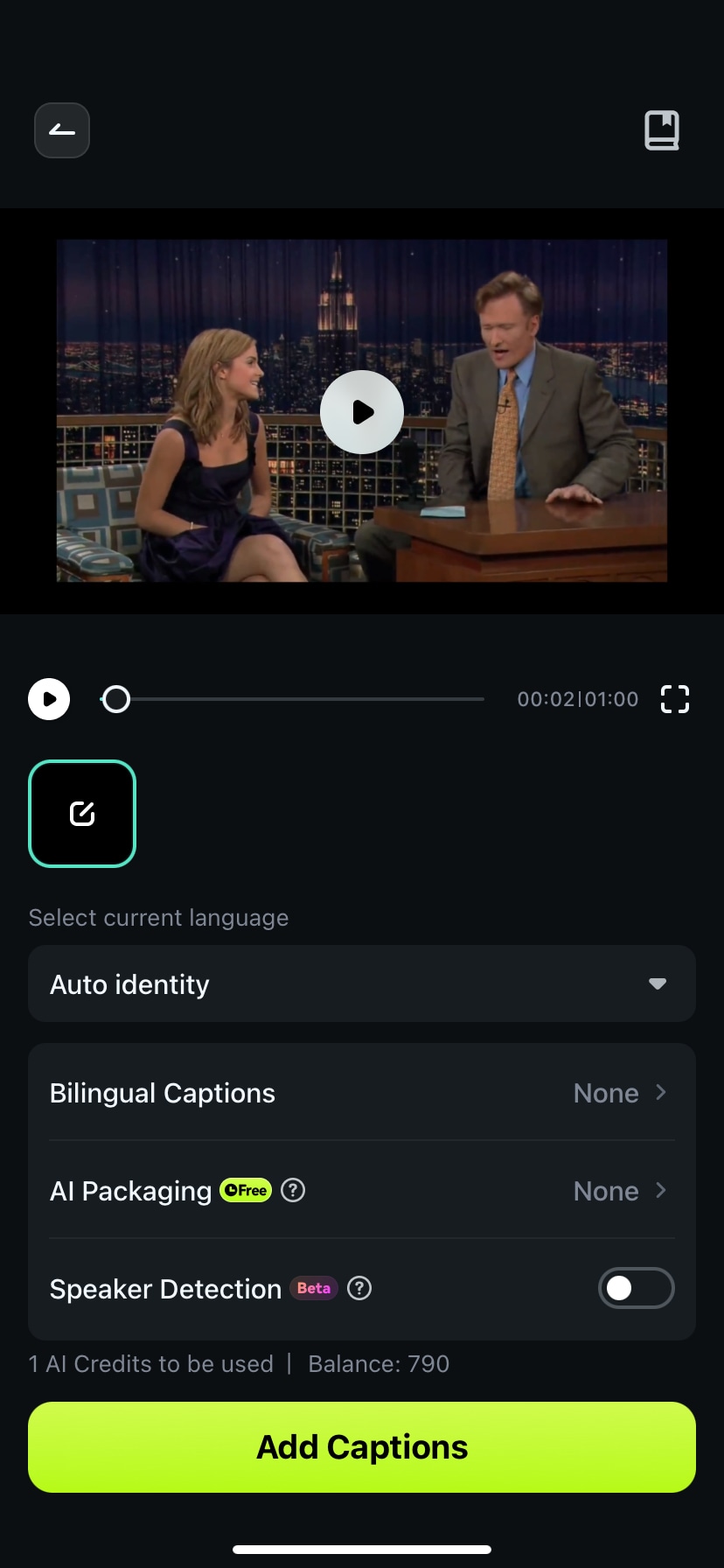
If you prefer to work on a phone, the Filmora App also provides an AI Captions workflow for automatically generating subtitles from spoken audio.
AI Captions | Filmora App
Secure Download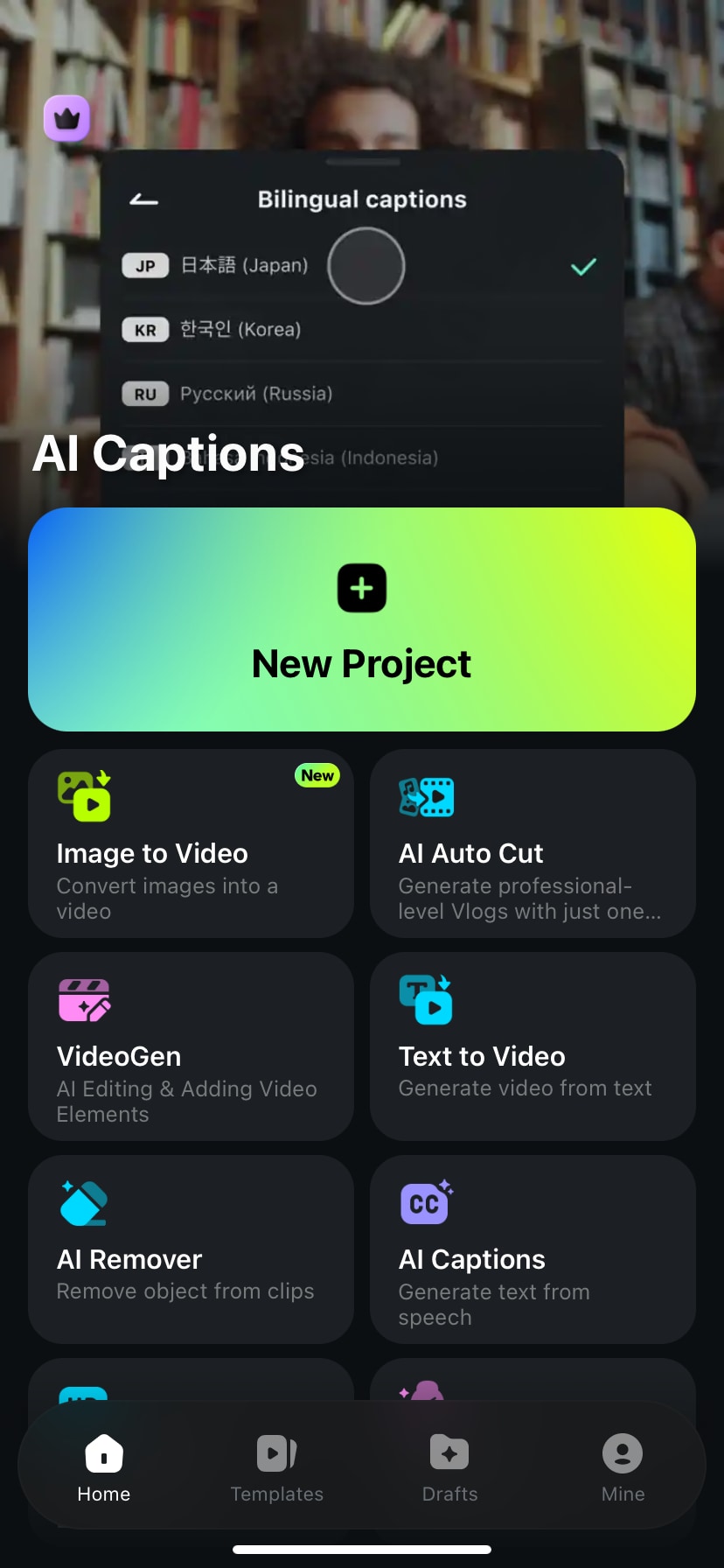
Conclusion
There are several ways to add subtitles to a video. YouTube, Facebook, and Instagram provide convenient caption options when publishing content directly to those platforms. However, creating captions before publishing gives you more control over how the subtitles look, behave, and appear across different destinations.
For creators who want to automate this process, Filmora Auto Caption can generate synchronized subtitles from speech and turn them into styled Dynamic Captions with word highlighting, templates, animations, customization, and multilingual translation. This makes it possible to create captions once as part of the video before publishing across multiple platforms.

Frequently Asked Questions About Adding Subtitles to Videos
What is the easiest way to add subtitles to a video?
If you only need captions on one social platform, you can use the platform's built-in caption tools. If you want captions to be part of the edited video before publishing, an automatic caption generator such as Filmora Auto Caption can transcribe speech, synchronize the text, and let you customize the captions in the same editing workflow.
Can AI automatically add captions to a video?
Yes. AI caption generators use speech-to-text technology to transcribe spoken audio and synchronize the resulting text with the video. You should still review automatically generated captions for names, technical terms, punctuation, and speech that may be difficult to recognize.
Can I add animated captions automatically?
Yes. Filmora's Dynamic Caption workflow can turn speech-to-text subtitles into animated captions. It includes options such as Active Words and Key Words highlighting as well as caption templates and animations.
Can Filmora translate video subtitles?
Yes. Filmora can translate generated captions into 30+ languages and create synchronized translated subtitles. Caption translation is separate from voice dubbing or voice translation.
Does Filmora Auto Caption work on Windows and Mac?
Yes. Filmora provides Auto Caption workflows for both Windows and macOS. The interface may vary slightly between versions, so you can follow the corresponding Windows or Mac Auto Caption guide for detailed steps.