


In this article
Part 1: What is Hyper-Personalization?
Hyper-personalization is an advanced business strategy that leverages artificial intelligence (AI), machine learning (ML), and real-time data analytics to deliver highly individualized experiences, products, and services to customers.
It represents a significant evolution from traditional personalization. While traditional methods rely on broad segments and historical data (e.g., addressing a customer by name or recommending products based on a single past purchase), hyper-personalization uses a continuous flow of behavioral and contextual data to create a dynamic "segment of one." It doesn't just react to past actions; it anticipates future needs in real-time.
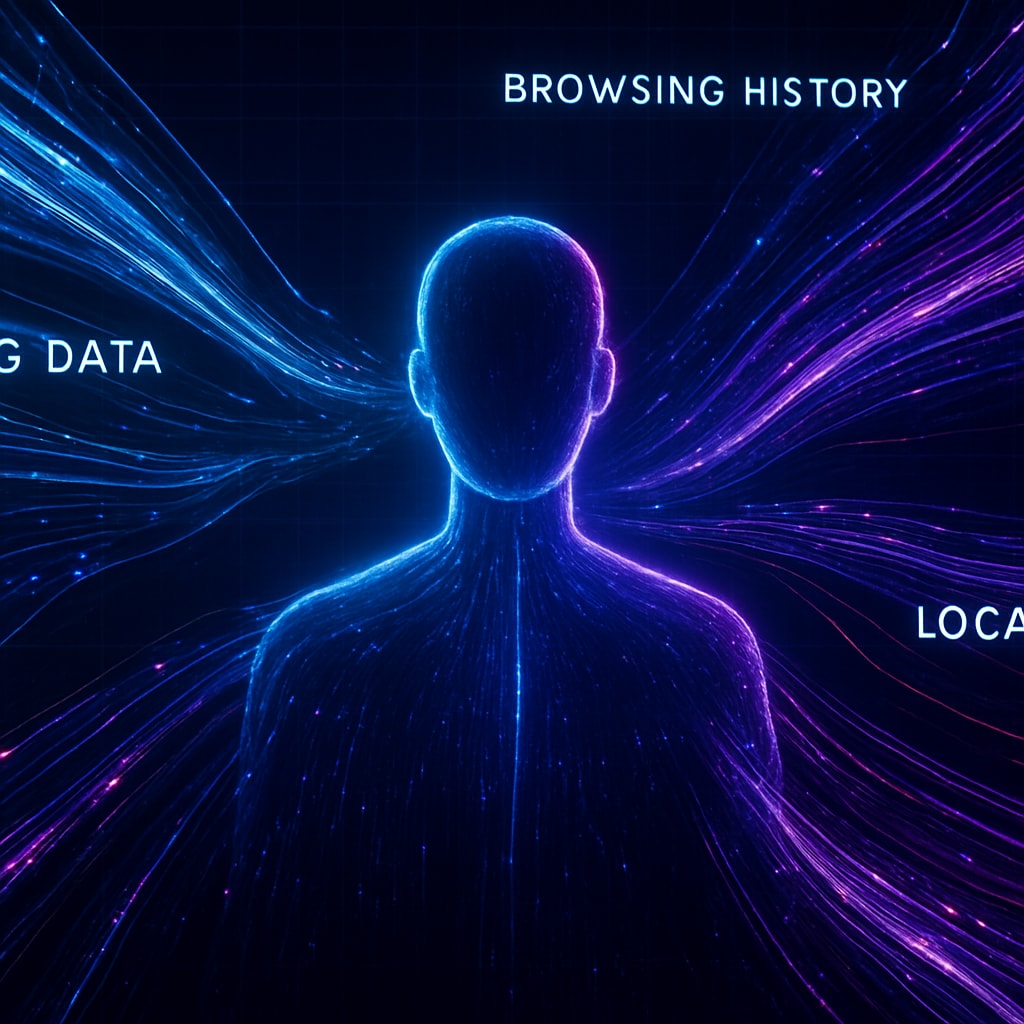
The key distinction lies in the depth and immediacy of the data used.
| Feature | Traditional Personalization | Hyper-Personalization |
| Data Scope | Basic, historical data (name, demographics, past purchases). | Rich, real-time data (browsing behavior, location, time, weather, social media activity). |
| Approach | Reactive and segment-based ("Customers who bought X also bought Y"). | Proactive and individual-based ("Based on your current location and the cold weather, you might like this coat"). |
| Technology | Simple rule-based systems and basic analytics. | AI, machine learning, predictive analytics, and customer data platforms (CDPs). |
| Outcome | A generally relevant experience for a group. | A uniquely tailored experience for an individual at a specific moment. |
The Technical Engine of Individuality
Hyper-personalization is not a single technology but an ecosystem of interconnected systems processing data to make intelligent decisions.
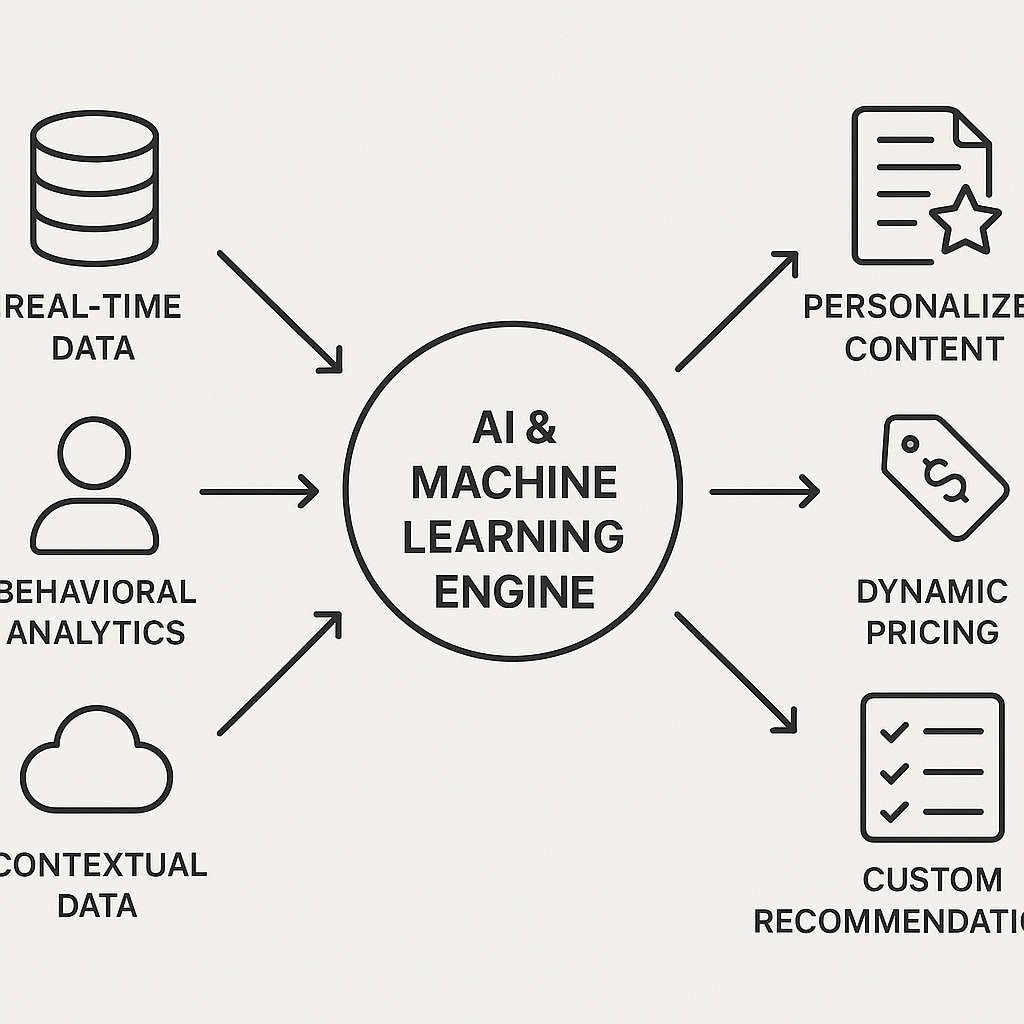
- Artificial Intelligence (AI) and Machine Learning (ML): These are the core technologies. ML algorithms analyze vast datasets to identify complex patterns and predict customer behavior with increasing accuracy. Reinforcement learning models continuously refine their predictions based on user interactions, ensuring the experience improves over time.
- Real-Time Data Analytics: The system's lifeblood is its ability to ingest and analyze data as it happens. This includes clicks, scrolls, hovers, location changes, and interactions across multiple channels. This immediacy allows a brand to adapt its messaging or offerings in the moment.
- Predictive Analytics: By analyzing historical and real-time data, predictive models forecast future customer needs. For example, they can identify customers at risk of churning or predict the next product a user is likely to purchase, enabling proactive engagement.
- Generative AI: An emerging force, generative AI allows for the creation of bespoke content—from email copy to product descriptions and even video scripts—at a massive scale, making one-to-one communication feasible for millions of customers.

This technological synergy has moved hyper-personalization from a theoretical concept to a practical strategy deployed by leading global companies, setting a new standard for customer engagement.
Part 2: Applications and Implications of Hyper-Personalization
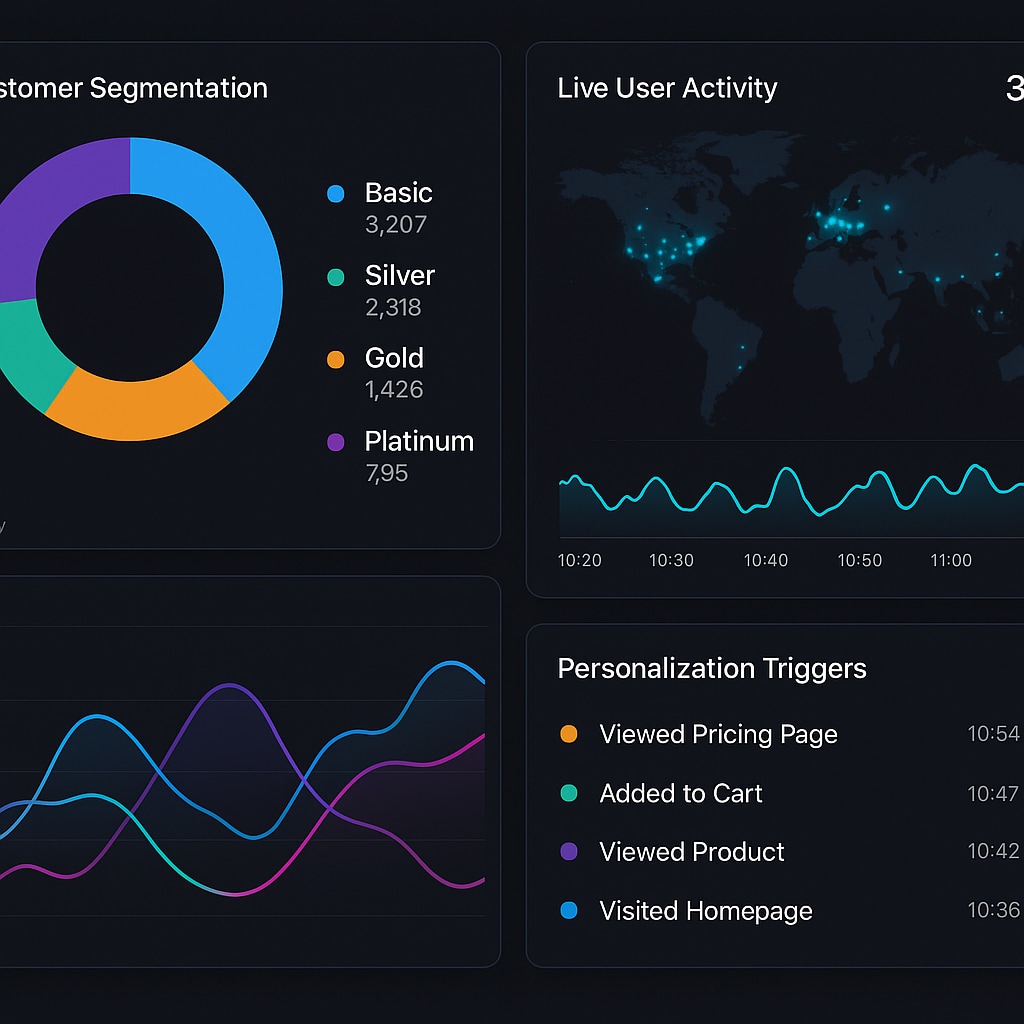
The true power of hyper-personalization is visible in its real-world applications, which are transforming entire industries by creating more meaningful and profitable customer relationships.
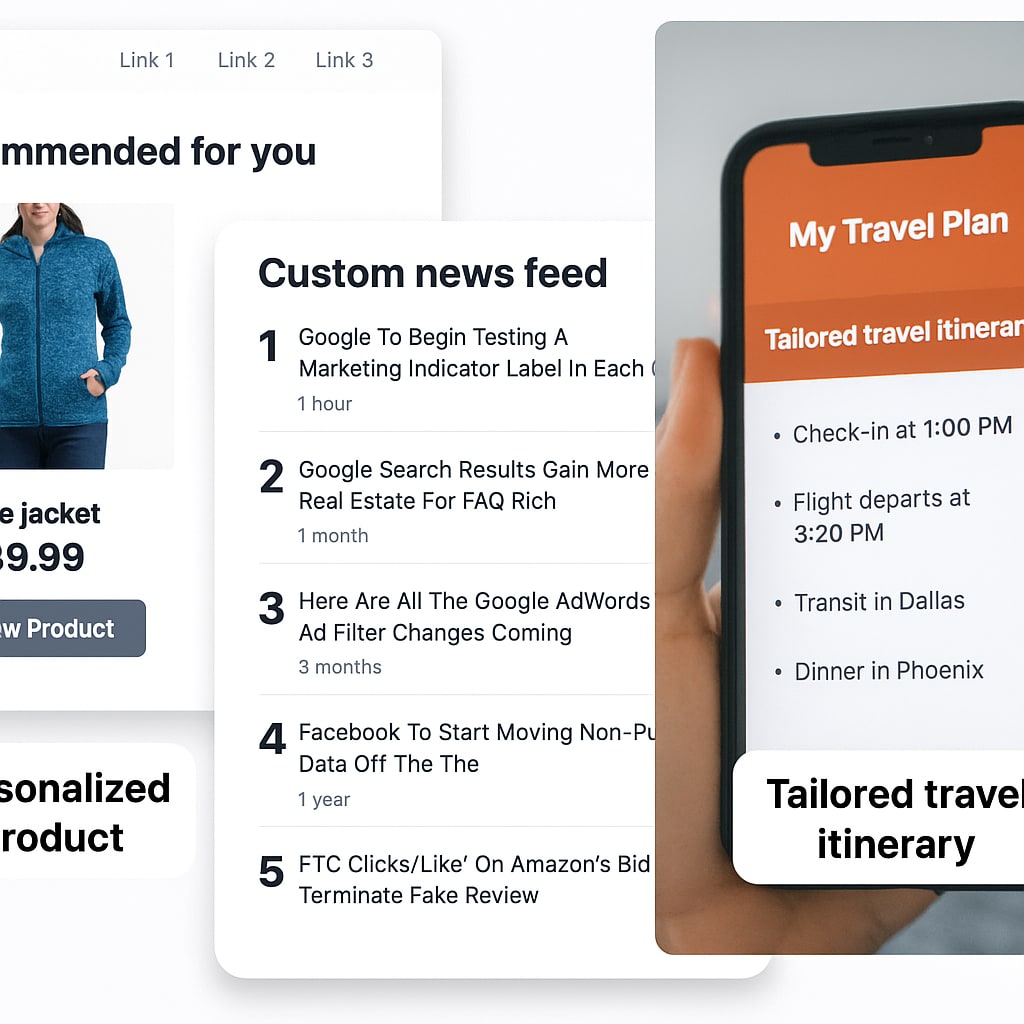
1. Industry Impact: A Sector-by-Sector Analysis
Hyper-personalization is not a niche strategy; it's a fundamental shift in how businesses operate across key sectors.
2. E-commerce
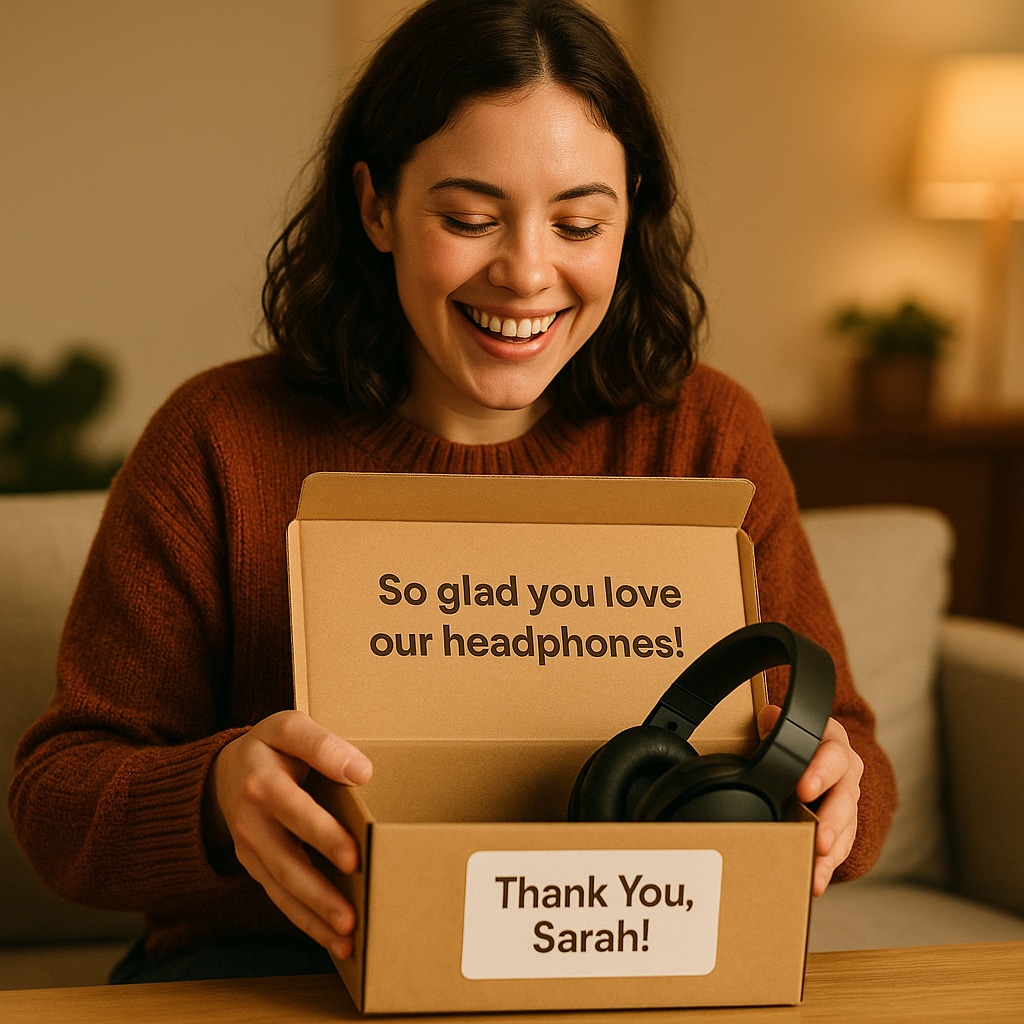
In e-commerce, hyper-personalization drives revenue and loyalty by making the shopping experience seamless, relevant, and predictive. Research by McKinsey shows that companies excelling at personalization generate 40% more revenue from those activities than average players.
| Application | Description | Example |
| Dynamic Product Recommendations | AI-driven engines suggest products based on browsing history, abandoned carts, and real-time behavior, not just past purchases. | Amazon's recommendation engine is responsible for an estimated 35% of its revenue. It suggests "Frequently Bought Together" bundles and dynamically populates the homepage for each user. |
| Personalized Pricing & Offers | Offers and discounts are tailored to individual users based on their loyalty status, purchase frequency, or even their likelihood to convert. | Travel brand Secret Escapes used real-time behavioral data to tailor landing pages, resulting in a 26% increase in sign-ups. |
| Hyper-Targeted Retargeting | Ads are customized with specific products a user viewed, now including contextual elements like a limited-time discount or a "back in stock" notification. | ASICS sends personalized cart recovery emails featuring detailed images of the abandoned products to recapture lost sales. |
3. Entertainment & Streaming
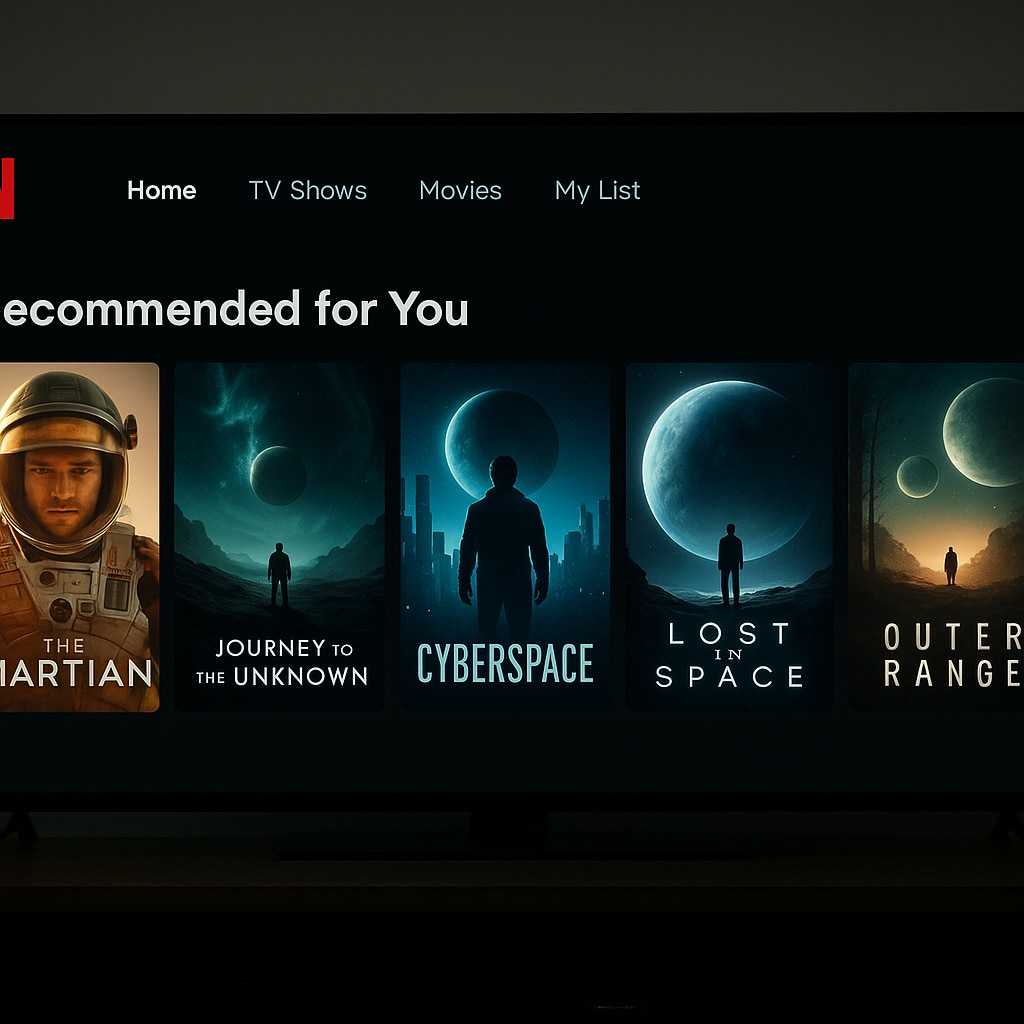
Streaming services use hyper-personalization to combat churn and increase engagement by making content discovery effortless and compelling.
| Application | Description | Example |
| Customized Content Curation | Algorithms create unique homepages and playlists tailored to individual viewing or listening habits, time of day, and mood. | Netflix personalizes everything from show recommendations to the artwork used to promote them, testing which thumbnail is most likely to appeal to a specific user. |
| Predictive Content Discovery | AI anticipates what a user will want next, creating personalized discovery channels that feel hand-picked. | Spotify's "Discover Weekly" playlist is a prime example. It uses collaborative filtering and NLP to analyze a user's taste and recommend new music with remarkable accuracy. |
| Dynamic User Engagement | Notifications and communications are timed and personalized to maximize relevance, such as alerting a user that a new season of their favorite show is available. | Spotify sends push notifications when an artist a user frequently listens to releases a new album. |
4. Marketing
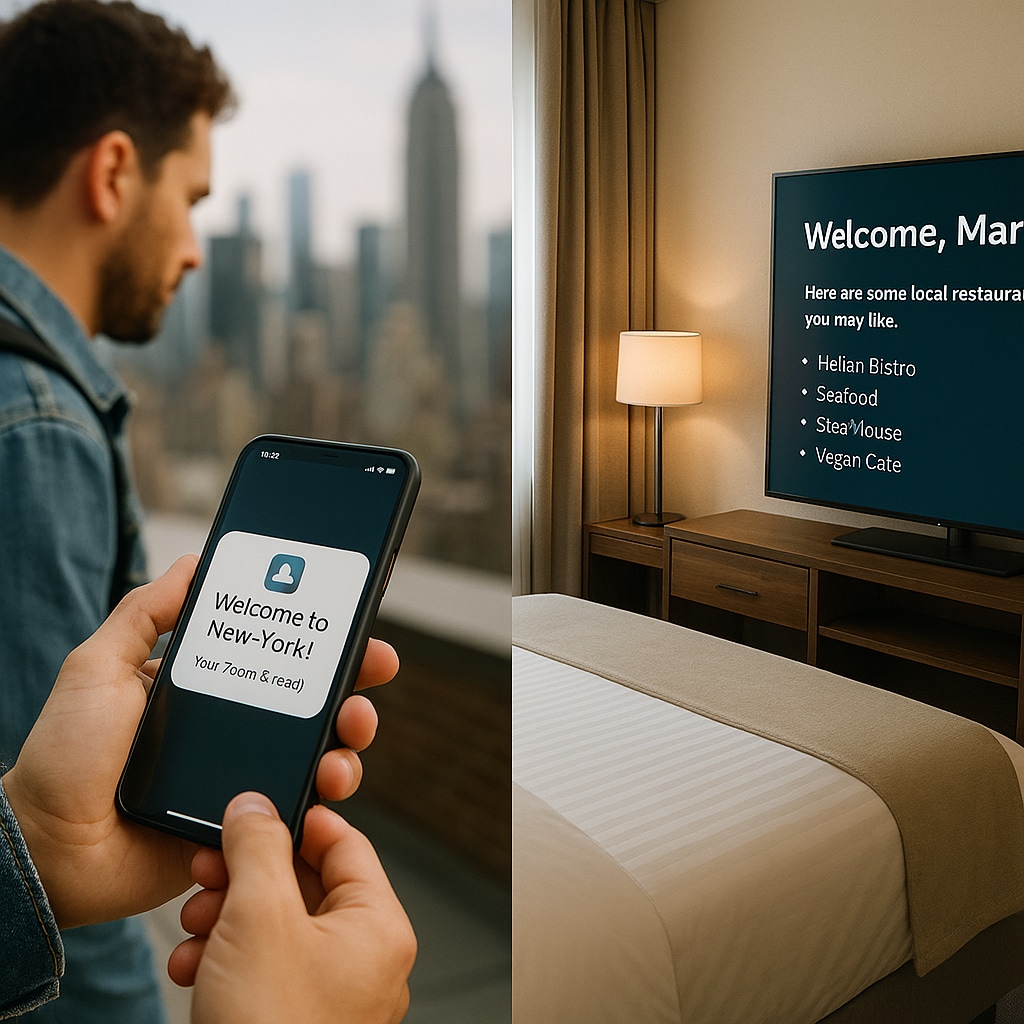
Hyper-personalization allows marketers to move from broad campaigns to one-to-one conversations, increasing marketing ROI by an estimated 10-30%.
| Application | Description | Example |
| Context-Aware Messaging | Emails and push notifications incorporate real-time data like location or weather to deliver highly relevant messages. | Starbucks uses its mobile app to send personalized offers when a user is near a store, often referencing their "usual" order to make the prompt more compelling. |
| Dynamic Website Content | A website's hero image, headlines, and calls-to-action can change dynamically based on visitor data (e.g., industry, location, or referral source). | An automotive site can show an SUV to a visitor known to have a family, while showing a sports car to a visitor who previously browsed performance models. |
| Personalized Customer Journeys | The entire marketing funnel is adapted for the individual, from the initial ad they see to the landing page content and follow-up emails. | Grammarly sends users personalized weekly writing reports, offering genuine value while subtly showcasing the benefits of its premium features. |
5. Case Study in Focus: The Amazon Ecosystem
Amazon is a masterclass in hyper-personalization. Its entire platform is an interconnected ecosystem designed to learn from and adapt to every user action.
- Data Integration: Amazon collects data from every touchpoint: what you search for, what you view, what you buy, what you review, and even how long you pause on a product.
- Recommendation Engine: This data feeds a powerful AI engine that drives personalized homepages, "Customers who bought this also bought" sections, and targeted email campaigns.
- Predictive Purchasing: Through services like "Subscribe & Save," Amazon predicts when you'll run out of household items and automates the reordering process.
- Seamless Experience: The result is a frictionless shopping journey where customers feel the platform understands their needs, often leading to impulse buys. In fact, 49% of shoppers have purchased a product they didn't intend to due to a personalized recommendation from Amazon.
Limitations and Challenges: The Privacy Paradox
Despite its power, hyper-personalization is fraught with challenges. The most significant is the privacy paradox: customers want personalized experiences but are increasingly wary of how their data is used.

- Data Privacy and Trust: The foundation of hyper-personalization is data. With 79% of consumers worried about how companies use their data, brands must prioritize transparency, consent, and robust security. Failure to do so erodes trust and risks violating regulations like GDPR.
- The "Creepy" Factor: There is a fine line between helpful and intrusive. When personalization is too specific or reveals too much knowledge about a user, it can feel unsettling. A survey found that 46% of consumers find targeted ads "creepy" if received too soon after browsing.
- Cost and Complexity: Implementing a true hyper-personalization strategy requires significant investment in technology (like a CDP), data science talent, and a complete rethinking of organizational workflows.
Future Outlook: The Next Wave of Personalization
The evolution of hyper-personalization is far from over. Future trends point toward even more deeply integrated and proactive experiences:
- Generative AI for Content: AI will create not just personalized recommendations but also unique blog posts, social media updates, and video content tailored to individual interests.
- Internet of Things (IoT) Integration: Data from smart devices (watches, home assistants, cars) will provide unprecedented context, allowing brands to offer services that anticipate needs in the physical world. Imagine your car navigating to a coffee shop and pre-ordering your favorite drink because your calendar shows a busy morning.
- AI-Powered Virtual Assistants: Proactive virtual assistants will manage and facilitate personalized experiences across all brands and platforms, acting as a personal concierge for the consumer.
Part 3: How to Apply Hyper-Personalization: A Conceptual Guide for Video
While hyper-personalization is dominated by e-commerce and marketing giants, its principles can be applied to new domains like video content creation. Imagine a video editing tool like Filmora evolving to not just edit videos, but to create personalized video experiences at scale.
Conceptual Application: Creating Personalized Video in Filmora
This is a forward-looking guide on how a video editor could conceptually incorporate hyper-personalization features.
- AI Text-to-video: type a prompt to generate prominent videos with VEO3 mode.
- Customizable Effects Library: numerous adjustable presets (LUTs/motion graphics).
- Auto Reframe: Intelligently adapts compositions for multiple platforms.
- Multi-Track Timeline: Layer texts/effects/PIP with surgical precision

 Secure Download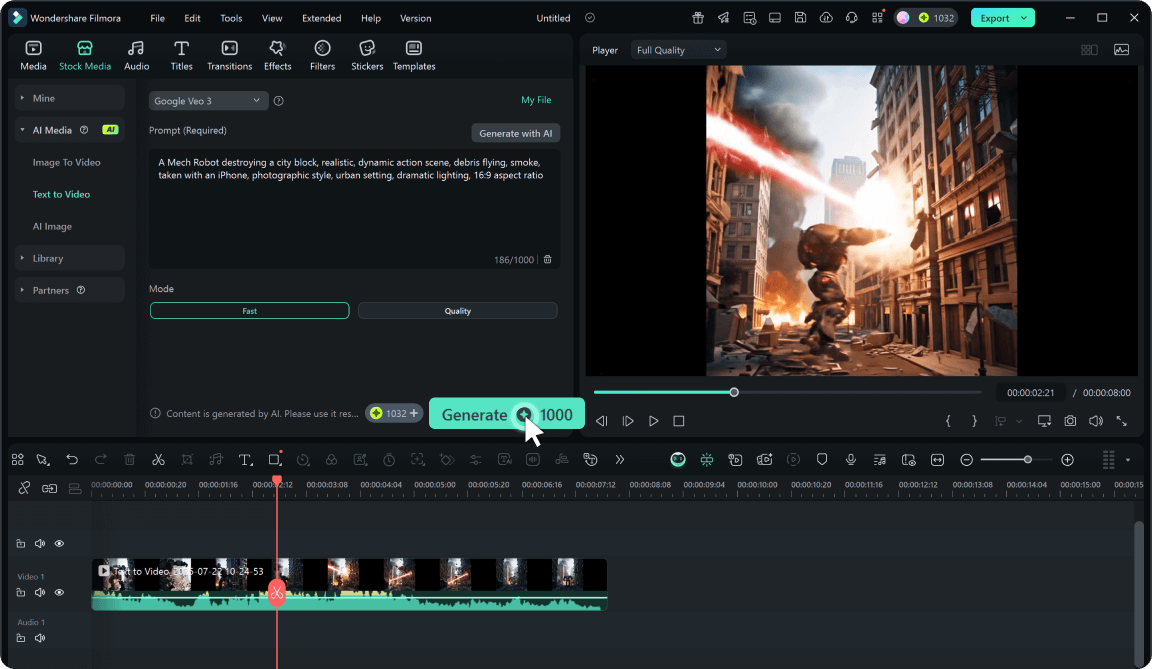
Filmora's drag-and-drop interface democratizes advanced techniques like keyframing and 4K color grading. The continuously updated "Effects Hub" (featuring glitch/neon/VFX packs) provides signature-style building blocks. By balancing professional depth with beginner-friendly design, Filmora becomes the ultimate playground for hyper-personalized visual communication.
Conclusion
Hyper-personalization is no longer a futuristic concept; it is the new frontier of customer engagement. Powered by AI and real-time data, it allows brands to move from broad communication to meaningful, one-to-one conversations. While its implementation comes with significant challenges related to data privacy and technology investment, the rewards—unparalleled customer loyalty, increased revenue, and a distinct competitive advantage—are undeniable. As technology evolves, the ability to deliver these deeply resonant experiences will become the primary differentiator between brands that thrive and those that are left behind.