

 100% Security Verified | No Subscription Required | No Malware
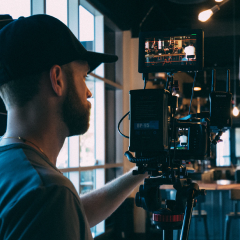
Museum interiors can shift from warm gallery lighting to cool architectural shadows within a single filming session. The Free Museum Interior LUT Pack helps culture vloggers and travel filmmakers create a consistent visual mood while preserving the character of paintings, sculptures, display cases, and historic halls.
Use these museum interior video filters in Filmora to refine footage from exhibitions, art displays, and museum corridors. Each look is designed for practical museum color grading, with options for clean documentary footage, dramatic architectural sequences, and soft editorial storytelling.
In this article
Sunlit Gallery Halls
Warm Marble Glow

- Effect look: Adds warm highlights, gentle contrast, and a polished golden tone to bright museum interiors.
- Best for: Sunlit marble halls, wide establishing shots, and travel filmmaker walkthroughs.
- Editing tip: Reduce intensity slightly when white walls or reflective floors become too bright.
Warm Marble Glow gives bright museum architecture a welcoming finish by adding subtle warmth to highlights while keeping the structure of columns, floors, and framed artworks clear. It is a useful museum video LUT for footage captured in sunlit halls where neutral camera settings may appear flat or cool.
In Filmora, apply the filter before making small exposure and contrast adjustments. Keep highlight recovery available for reflective floors and white walls, and reduce the intensity when the golden tone begins to affect artwork colors or flatten architectural detail.
Build a Museum-Inspired Color Palette
Use Filmora's color tools to create a palette that reflects the space you filmed, from warm marble halls and amber display lights to cool archive corridors and muted stone galleries.
Start with a neutral reference clip, then adjust temperature, contrast, and saturation so your museum color grading supports the artwork instead of overpowering it.
Create a balanced palette for your next museum video with Filmora's color adjustment tools.
 secure download

Airy Curator

- Effect look: Creates a light, neutral finish with lifted shadows and restrained saturation.
- Best for: Minimalist galleries, curator introductions, and educational culture vlogs.
- Editing tip: Use a modest amount of sharpening after applying the filter to retain clean exhibit edges.
Airy Curator keeps museum spaces bright, calm, and approachable by lifting shadows without introducing a strong cinematic color cast. Its restrained saturation makes it suitable for minimalist galleries, sculpture displays, and presenter-led videos where viewers need to focus on the exhibits and information.
Use this Filmora museum interior video filter after balancing exposure, then add only modest sharpening to preserve clean exhibit edges. Pair it with slow camera movement and neutral skin tones to create a clear documentary presentation for cultural storytelling.
Golden Exhibit

- Effect look: Enhances amber highlights and softens cool shadows for a refined, heritage-inspired appearance.
- Best for: Historic galleries, ornate interiors, and close-ups of framed artwork.
- Editing tip: Lower saturation on yellow tones if display lighting already has a strong amber cast.
Golden Exhibit adds refined warmth to historic galleries, ornate interiors, and framed artwork by enhancing amber highlights while softening cooler shadows. It works well when the architecture and display lighting are part of the story, giving museum footage a heritage-inspired finish.
Because historic museums often combine warm lamps with cooler ambient light, check skin tones, neutral walls, and artwork surfaces before increasing warmth. In Filmora, a small temperature adjustment can keep the room inviting without making important colors appear overly yellow.
Quiet Archive Corridors
Cool Archive

- Effect look: Introduces cool blue-gray shadows, controlled contrast, and a focused archival mood.
- Best for: Museum corridors, archive rooms, storage displays, and reflective narration sequences.
- Editing tip: Add a small amount of warmth to skin tones when filming presenters under cool fluorescent lights.
Cool Archive introduces blue-gray shadows and controlled contrast for quiet corridors, archive rooms, and reflective narration. The focused palette gives museum interior footage a thoughtful archival mood while preserving the depth of glass cases, polished floors, and long architectural lines.
When using it in Filmora, lift the midtones slightly if a presenter wearing dark clothing blends into the corridor. Apply selective exposure adjustments to the subject and add a small amount of warmth to skin tones when fluorescent lighting looks too cold.
Silent Stone

- Effect look: Adds muted color, deeper structure, and a restrained cinematic finish to stone and concrete interiors.
- Best for: Sculpture wings, archaeological galleries, and dramatic architectural transitions.
- Editing tip: Use medium intensity to preserve subtle stone texture and avoid crushing shadow detail.
Silent Stone gives sculpture galleries and archaeological interiors a grounded, restrained cinematic appearance. Its muted palette and deeper structure emphasize stone walls, concrete forms, carved surfaces, and dramatic transitions between monumental spaces.
Use medium intensity in Filmora so faces, hands, and carved edges retain their texture. If contrast makes the gallery too dark, gently lift the shadows and midtones instead of increasing exposure across the entire clip.
Paper and Glass

- Effect look: Creates a soft neutral palette with delicate highlights for documents, manuscripts, and glass cases.
- Best for: Library galleries, manuscript exhibitions, and detail shots of museum display cases.
- Editing tip: Reduce clarity slightly on reflective glass while keeping text and artifact edges readable.
Paper and Glass creates a soft neutral palette for manuscripts, documents, and delicate artifacts displayed behind glass. Its low-impact treatment keeps highlights gentle so viewers can see paper texture, case details, and readable exhibit information without an aggressive color shift.
In Filmora, reduce clarity slightly when reflections create bright streaks, but protect text and artifact edges. Shooting from a slight angle can reduce glare before applying the filter and help unify case lighting with the surrounding gallery.
Dramatic Exhibition Spaces
Gallery Noir

- Effect look: Deepens blacks, narrows the palette, and adds a sophisticated low-key atmosphere.
- Best for: Contemporary art installations, dark galleries, and cinematic exhibition reveals.
- Editing tip: Lower the effect on footage with black display walls to retain separation between objects and background.
Gallery Noir deepens blacks and narrows the palette for dark contemporary galleries, installations, and cinematic exhibition reveals. It creates a sophisticated low-key atmosphere that makes focused spotlights and illuminated artwork feel more dramatic.
Use this museum interior color grading style for reveal shots and transitions, then switch to a lighter look when explaining artwork details. Check the darkest areas in Filmora to ensure the filter adds contrast without hiding installation context or merging objects with black walls.
Art Display Close-Ups
Accurate Canvas

- Effect look: Preserves balanced whites, natural skin tones, and faithful artwork color with minimal stylization.
- Best for: Painting close-ups, gallery commentary, and educational museum videos.
- Editing tip: Use a neutral white balance correction before applying this filter for the most reliable results.
Accurate Canvas is a clean museum video filter for color-conscious artwork coverage. It preserves balanced whites, natural skin tones, and faithful canvas colors while adding very little stylization, making it a practical choice for educational museum videos and gallery commentary.
Correct white balance in Filmora before applying the filter and compare the result with a neutral reference frame. Keep saturation and temperature adjustments restrained so the grade supports accurate viewing instead of changing the apparent colors of important artwork.
Velvet Frame

- Effect look: Adds rich midtone depth, gentle warmth, and elegant contrast around framed artwork and decorative details.
- Best for: Portrait galleries, ornate frames, museum interiors with deep red walls, and editorial cutaways.
- Editing tip: Reduce red saturation if velvet walls or painted backgrounds begin to overpower the artwork.
Velvet Frame adds rich midtone depth, gentle warmth, and elegant contrast to portrait galleries, ornate frames, and deep red interiors. It is especially effective for slow pans across classic artwork where the surrounding room contributes to the visual story.
Rich interiors can become heavy when contrast and saturation are both high, so adjust one at a time in Filmora. Lower red saturation if velvet walls begin to compete with the artwork, and protect small frame details while refining the overall editorial finish.
Soft Exhibit Film

- Effect look: Adds subtle film softness, gentle grain character, and slightly faded colors for a timeless finish.
- Best for: Personal travel films, reflective museum visits, and atmospheric art display montages.
- Editing tip: Apply light grain after resizing or exporting so the texture remains subtle and consistent.
Soft Exhibit Film adds gentle softness, subtle grain character, and slightly faded colors for a nostalgic museum story. It suits personal travel films, reflective visits, and atmospheric montages where the emotional memory of the space matters as much as technical documentation.
Apply the filter lightly in Filmora and add grain after resizing or exporting so the texture stays consistent. Reserve the soft finish for transitions, memory-driven sequences, and closing reflections, while using a clearer look for detailed artwork explanations.
Preview Museum Interior Video Filters
Compare several looks on the same shot to see how each filter changes gallery lighting, wall color, glass reflections, and artwork presentation.
Use lighter filters for educational commentary and stronger cinematic looks for exhibition reveals, architectural transitions, and atmospheric travel sequences.
Preview the filters on your museum footage and choose the look that matches your story.
secure downloadCombine Filters and LUTs in Filmora
Filters can establish an overall mood, while a museum video LUT can help unify clips recorded in different rooms or under changing exhibition lights.
Apply adjustments in moderation, compare skin tones and artwork colors, and save a custom preset when you find a consistent museum interior color grading workflow.
Download the Free Museum Interior LUT Pack and refine each look in Filmora.
secure downloadTips for Using Museum Interior Lut Download Filters in Filmora
- Correct exposure and white balance before applying a museum interior video filter.
- Film a neutral wall or gray reference card when moving between galleries with different lighting.
- Keep artwork colors accurate when the video is intended to educate or document an exhibition.
- Lower filter intensity on white walls, glass cases, polished floors, and brightly lit display labels.
- Use stronger contrast for architectural transitions and softer grading for presenter-led explanations.
- Check skin tones separately from artwork colors when filming culture vlog introductions.
- Match clips from the same museum room before creating a consistent sequence across the full edit.
- Avoid excessive sharpening because fine art surfaces and glass reflections can become distracting.
The Free Museum Interior LUT Pack gives culture vloggers and travel filmmakers a practical starting point for museum color grading. From bright gallery halls to dramatic art displays, these Filmora filters help create cohesive footage without losing the atmosphere or detail of the space.
Download the pack, test each look on your own museum footage, and adjust intensity to suit the lighting, artwork, and story. For more coordinated styles, explore the next collection of museum interior LUTs.
secure download