Filmora
Filmora - AI Video Editor
Edit Faster, Smarter and Easier!
OPEN

What Is Football Broadcasting?

James Hogan
by Video Tech Expert
updated Jun 16, 26
robot TL;DR:

Modern football broadcasting relies on FIFA's centralized international video feeds and high-speed stadium technologies to distribute live matches globally, while independent creators can emulate this professional style for social media using the Wondershare Filmora video editor.
    ● Traditional TV broadcasts deliver near real-time, highly stable cable or satellite signals, whereas live streaming provides the exact same match coverage online with slight buffering delays but greater interactive capabilities.
    ● The official FIFA World Cup broadcasting process requires FIFA to produce a single unbiased master feed using 25 to 40+ stadium cameras, 1,000 fps slow-motion lenses, and millimeter-accurate Goal-Line Technology, which licensed regional networks then overlay with local language commentary.
    ● Creators can produce commentary-style football content in Wondershare Filmora by isolating themselves with the AI Portrait Cutout tool over stock background footage, reducing clip speed for highlights, and applying specialized "Football Fever" AI effects before exporting via the automated social content planner.


Ask AI for a summary

In this article
  1. Definition of Football Broadcasting
  2. Behind the Scenes: How a Football Match Is Broadcast
  3. Technologies Used in Modern Football Broadcasting
  4. How FIFA World Cup Broadcasting Works
  5. Create Broadcast-Style Football Videos with Wondershare Filmora
  6. Conclusion

Getting to Know Football Broadcasting

The biggest sporting event on the planet, the World Cup, is something you absolutely cannot miss. That is exactly why a premium FIFA World Cup broadcast is something millions of people around the globe wait for, just so they can stay updated with the latest results and soak in the matchday euphoria.

But if this is your first time diving into the tournament, you might feel a bit confused about how to actually watch the games, where to find them, or how the whole media circus operates. We are here to help you get to know the ins and outs of football broadcasting so you can navigate the channels like a seasoned pro and never miss a single goal.
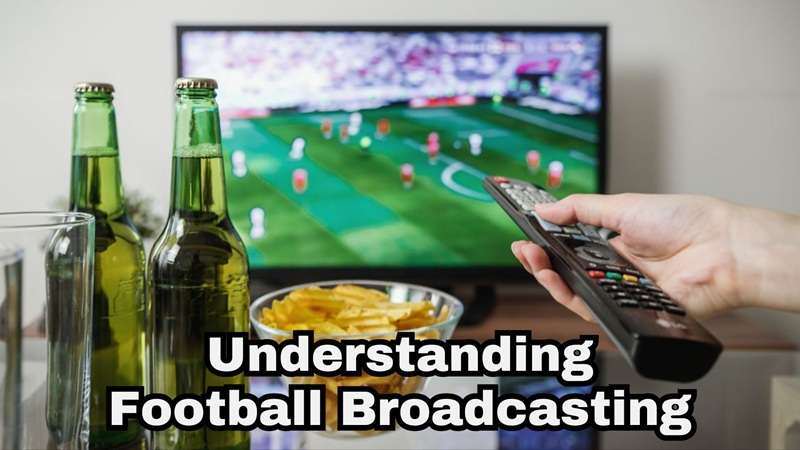
understanding what is football broadcasting

Definition of Football Broadcasting

Football broadcasting means capturing, producing, and delivering a football match through TV, radio, streaming apps, websites, or digital platforms. Without it, sports would stay confined to the people lucky enough to buy a stadium ticket.

Broadcasting bridges that gap, bringing the stadium roar, the intense tactical drama, and the slow-motion heartbreak right into your living room. It is also a massive part of football's business. Broadcast rights bring major revenue to tournaments, leagues, and clubs.

📺 Football Broadcasting vs. Live Streaming: What's the Difference?

People often mix these two up, so let's clear it up. A live football broadcast is the full live coverage of a match. It can happen on TV, radio, satellite, cable, or the internet. Streaming is one way to deliver that live broadcast online. Here's the easiest way to see the difference:

Feature Traditional TV Broadcast Live Streaming
Access TV set / cable / satellite Phone, laptop, smart TV app
Cost Subscription / cable package Subscription or free-to-air app
Latency Near real-time (broadcast delay) Slight delay (buffering)
Interactivity Passive viewing Multi-angle, chat, stats
Reliability Very stable signal Depends on internet speed
Common Issue Regional rights and channel access Delay, buffering, or connection quality
Example A World Cup match shown on national TV The same match watched on a mobile streaming app

These days, the lines are blurring fast. For the 2026 FIFA World Cup, FIFA even signed deals with TikTok and YouTube so that broadcasters can stream parts of matches directly on those platforms, meaning your social media feed is now officially part of the World Cup football broadcasting landscape.

Behind the Scenes: How a Football Match Is Broadcast

When watching a football match, most of us just turn on the TV, see the kickoff, and don't give it a second thought. But behind that smooth picture is a massive crew working at lightning speed to make it happen. A soccer World Cup broadcast is like a live concert, sports event, news show, and technical operation all happening at once.

Let's pull back the curtain.
multiple cameras for football broadcasting
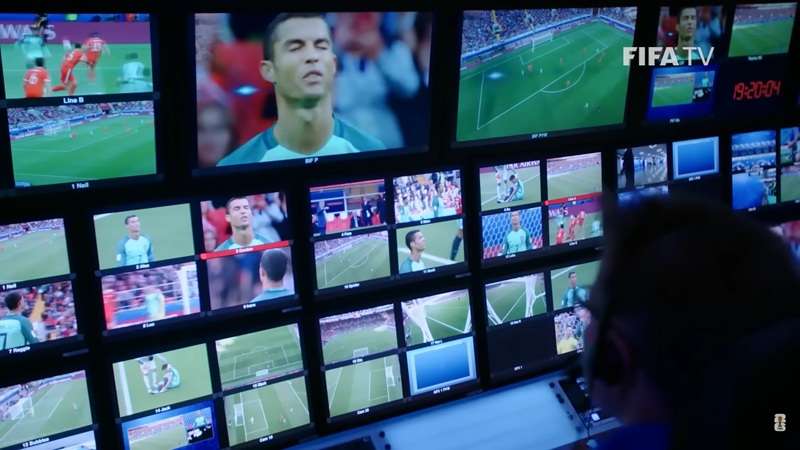
Camera Setup
A professional football match uses anywhere from 25 to 40+ cameras positioned around the stadium, on the sidelines, behind the goals, mounted on rails, in the stands, and even on drones or cables above the pitch.
commentators and analysis for football broadcasting
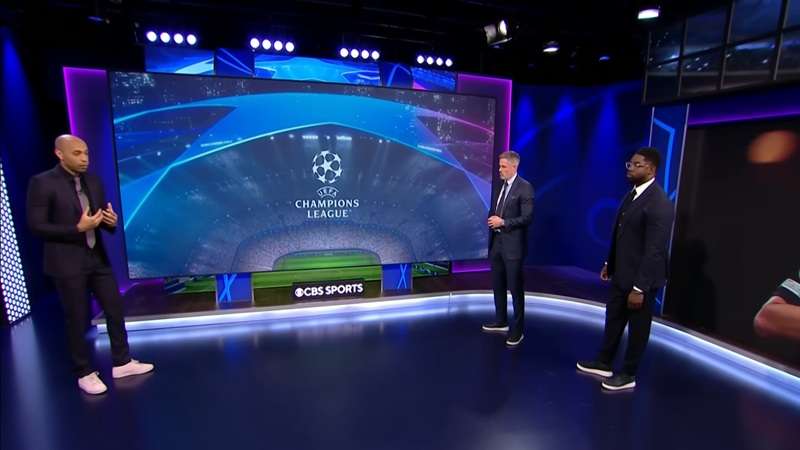
Commentary and Production Team
Behind every live football broadcast sits a production team including directors, producers, technical operators, replay editors, and graphics operators, all communicating through headsets and switching between feeds in real time.
visual elements for football broadcasting
Graphics and Replay Systems
Graphics make the match easier to follow. Every time you see a player's name pop up, a score update, or a slow-motion replay of a controversial tackle, that's a dedicated team making it happen live.
watching football broadcast from your tv
Distribution via TV and Streaming Platforms
The final video signal travels via satellite uplinks, fiber optic cables, and content delivery networks (CDNs) to broadcasting partners around the world. Those partners then distribute it to your TV, streaming app, or mobile device.

Technologies Used in Modern Football Broadcasting

As the technology around the sport keeps upgrading, that progress translates directly into how matches are filmed. With billions of eyes watching the soccer World Cup broadcast, broadcasters pull out every trick in the book to make the experience as sharp, immersive, and accurate as possible.

So, these technologies are pushed to the absolute limit to ensure total accuracy.
football broadcast displaying var usage
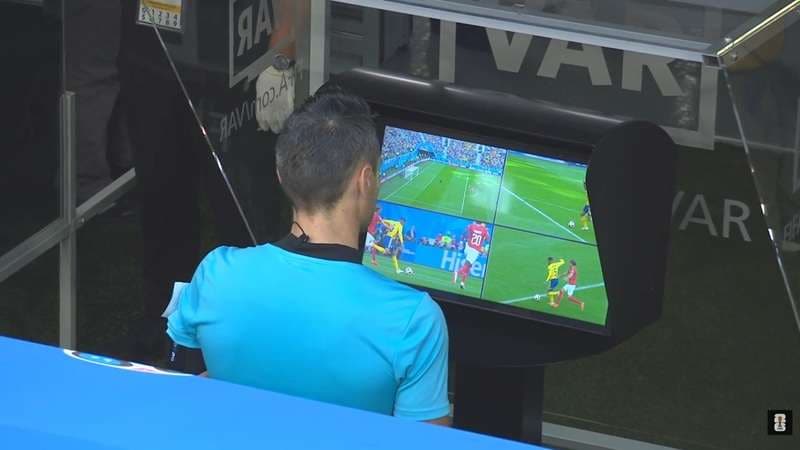
VAR (Video Assistant Referee)
Love it or hate it, VAR is a massive part of the show. The broadcast feed links directly to a dedicated review room where referees look at multiple angles to fix clear mistakes on goals, penalties, and red cards.
football broadcast displaying goal line technology
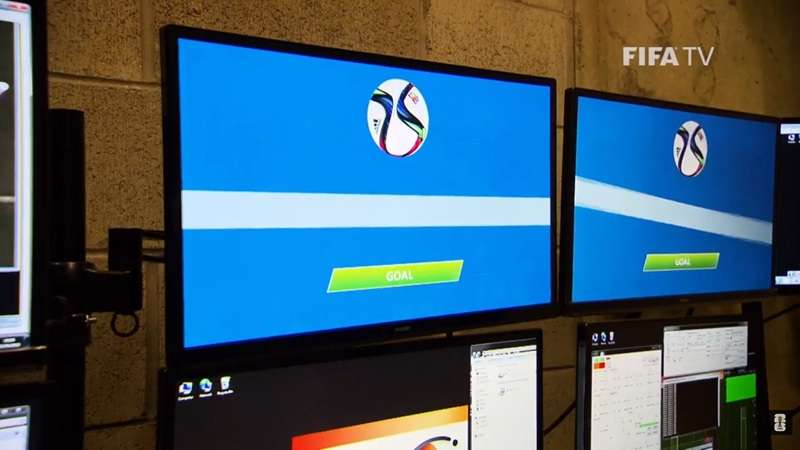
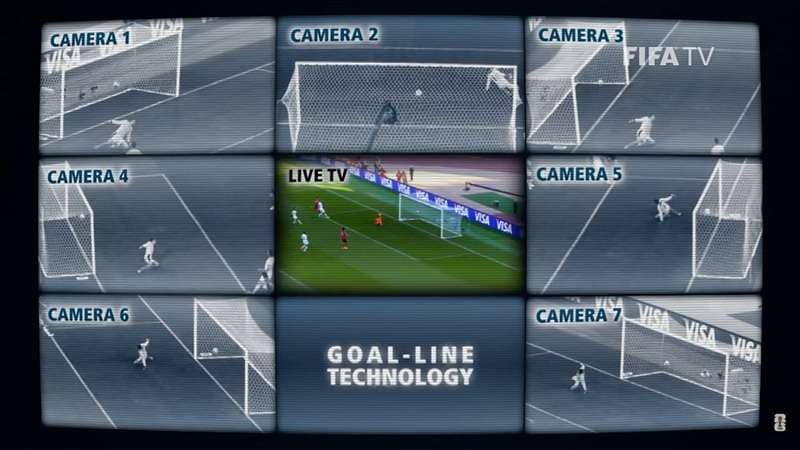
Goal-Line Technology
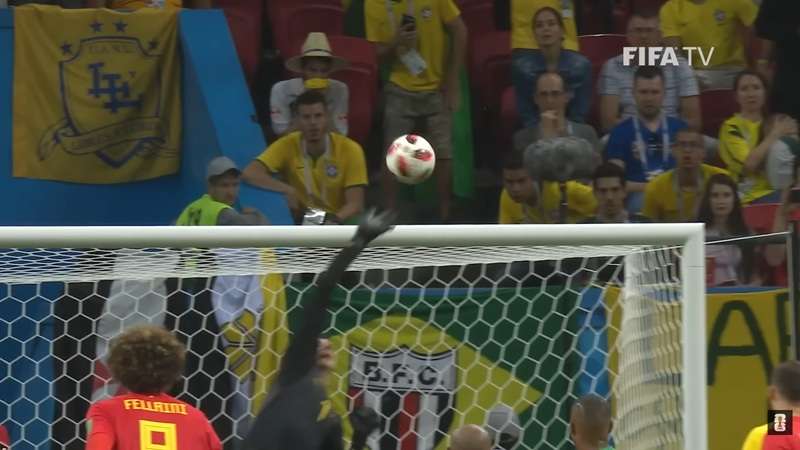
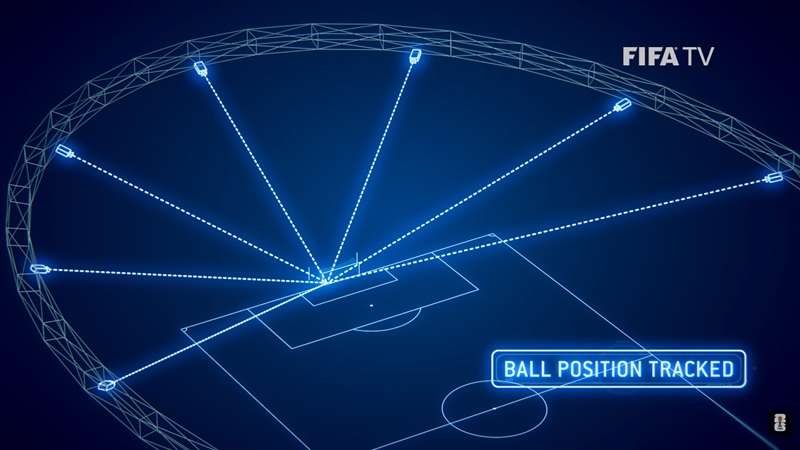
A system of high-speed cameras and sensors that determines with millimeter accuracy whether the ball has fully crossed the goal line. The result pops up on the referee's watch within one second.
football broadcast displaying slow motion camera
Slow-Motion Cameras
Modern broadcasts use cameras that can shoot at over 1,000 frames per second. That's what gives you those jaw-dropping slow-motion replays of a bicycle kick, a diving save, or a moment of contact in a tackle.
ai tool for football broadcast
AI-Assisted Production
AI tools can now automatically track the ball and players, suggest replay clips, detect key moments (goals, fouls, near-misses), and even auto-edit highlights in real time.

How FIFA World Cup Broadcasting Works

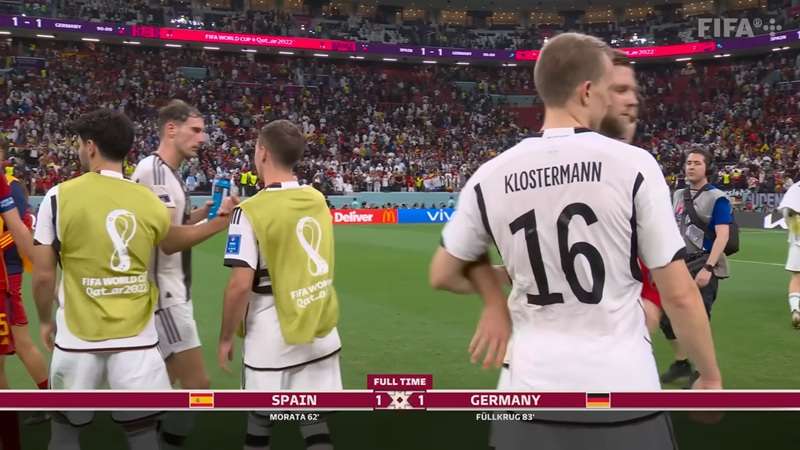
The World Cup is the biggest sports event on Earth, so the FIFA World Cup broadcast is handled with strict planning, official rights, and global production standards. Every single TV network on Earth wants a piece of the action, but managing a global audience requires a very specific setup.
fifa world cup football broadcast rights
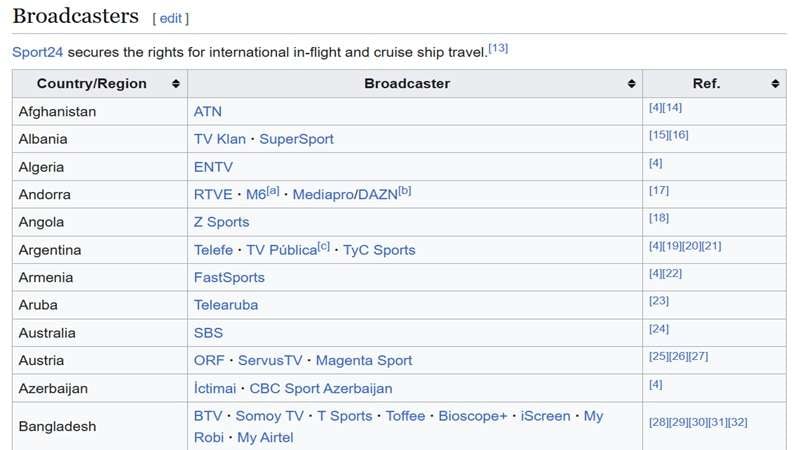
Broadcasting Rights
FIFA controls all rights to World Cup content and sells them directly to broadcasters country by country. For the 2026 FIFA World Cup broadcast, you can check out this list of which networks get the rights.
football broadcast using international feed production
International Feed Production
Individual TV networks do not actually bring their own cameras to film the matches. Instead, FIFA handles the international feed production. They film the game, mix the audio, and create a single master video feed that is completely unbiased. Every broadcaster worldwide then takes this feed and adds their own language, commentators, and local flair on top of it.
locals tv showing football broadcast
Regional Broadcasters
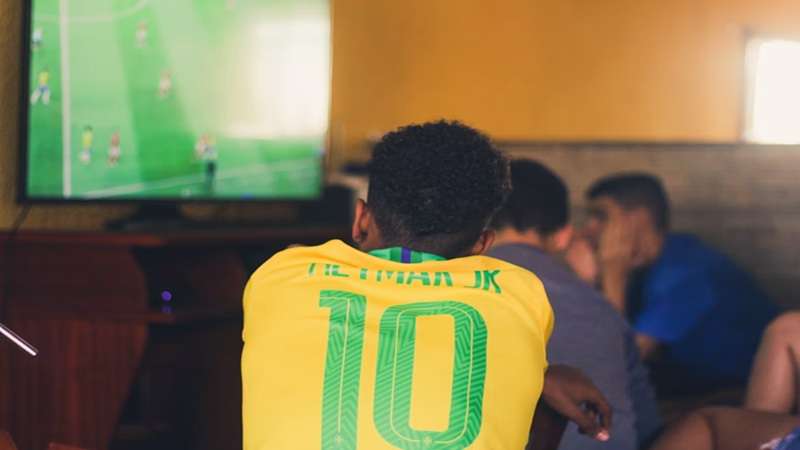
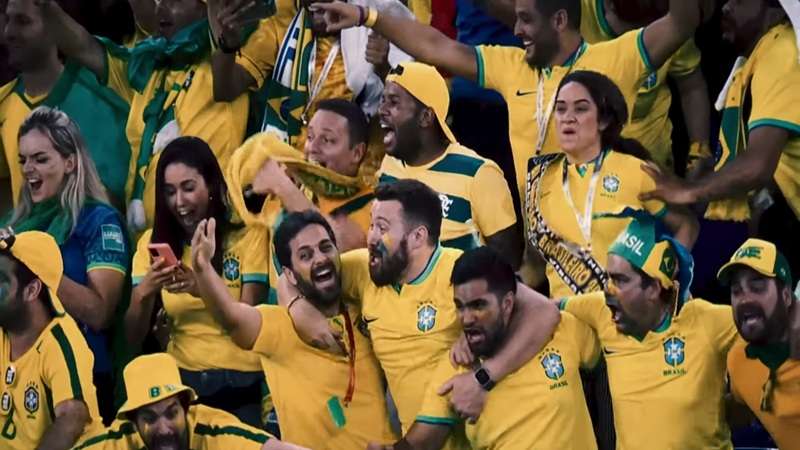
Each country (or region) gets its own local broadcast team that's licensed to use FIFA's international feed. For example, in Brazil, Grupo Globo, CazéTV, and SBT/N Sports are sharing the rights, with YouTube even confirmed to broadcast all matches in Brazil for free.

Create Broadcast-Style Football Videos with Wondershare Filmora

Football broadcasting isn't just for the big TV networks anymore. With the World Cup season in full swing, commentary-style football content is genuinely one of the most engaging formats you can create on YouTube, TikTok, or Instagram.

The good news is, you do not need a full TV crew to make this kind of content. With the right editor, like Wondershare Filmora, you can create football videos that feel more polished, even if you are editing from your laptop or phone.
filmora all in one video editor

This AI-powered video editor gives you every single tool you need to make your footage look like it came straight from a multi-million dollar production truck, complete with specialized sports overlays and smooth tracking effects. Follow these steps to make a broadcast-style football video in Filmora:

1
Import Your Clip and Blend with the Background
Start by importing your commentary clips into Filmora. Then, go to Stock Media, open the Football category, and choose a background you like. Arrange them on the timeline as follows:
  • Place the football background on Video 1;
  • Place your commentary clip on Video 2.
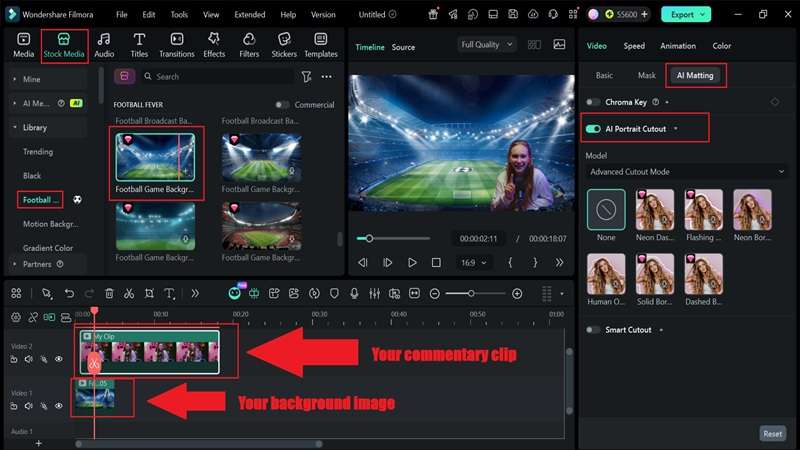
Next, select Video 2 (commentary clip), go to AI Matting, and turn on AI Portrait Cutout.
use portrait cutout to your clip
2
Add Sports Titles and Graphic Overlays
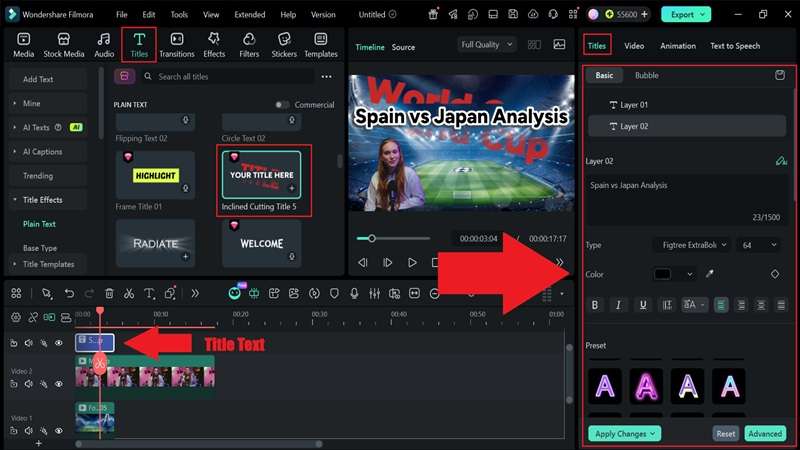
Next, head to the Titles panel. Drag your chosen title onto the timeline, customize the text and colors to match your team or broadcast style, and position it wherever it feels natural on screen.
add fitting titles to the clip
3
Enhance Key Moments with Slow Motion
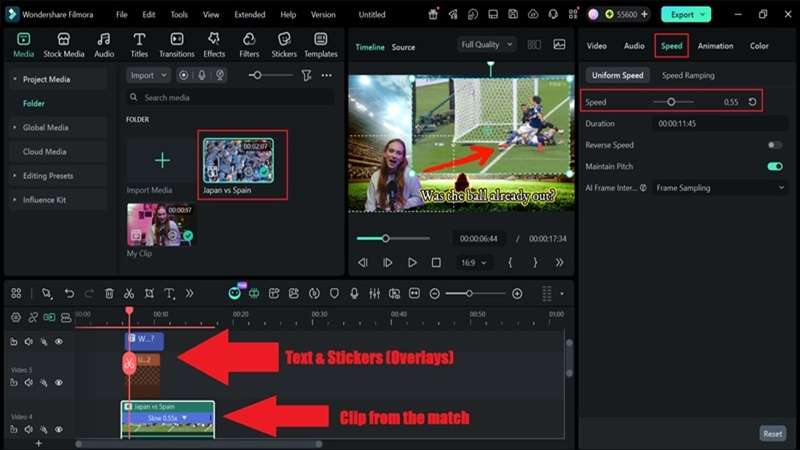
Find the moment in the game that deserves the slow-mo treatment. Then, right-click on the clip and select Speed. Lower it down to create a slow-motion effect. You can also add other overlays to make it clearer.
slow down key moments in analysis
4
Use AI Effects and Transitions for Football Highlights
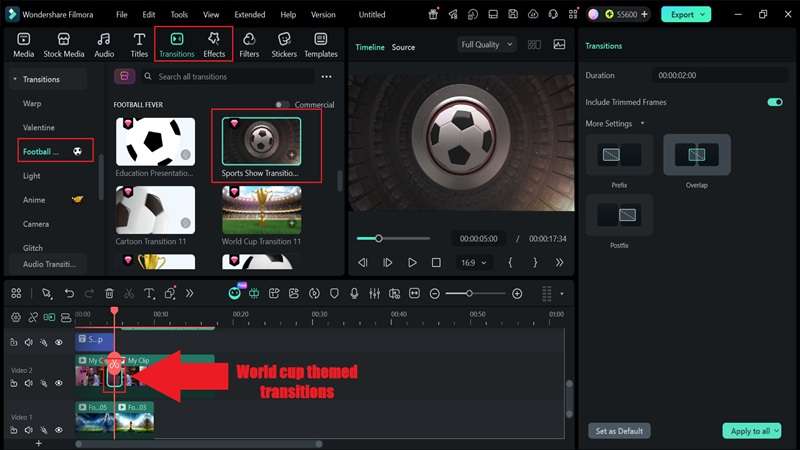
Under the Effects and Transitions tab, look for the Football Fever category. You'll find thematic overlays and dynamic transitions that match the World Cup aesthetic. Add it to your timeline to make your content smoother and more professional.
use football fever fitting transitions
5
Export Videos for YouTube, TikTok, and Instagram
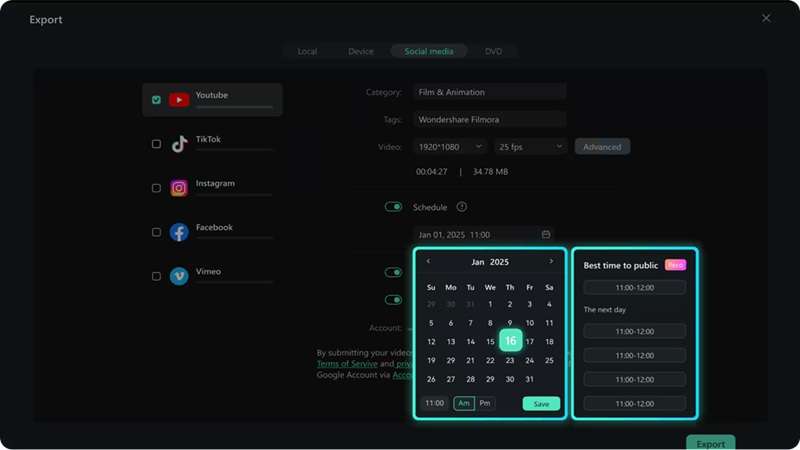
When your edit is done, click Export and choose your platform. Filmora makes this easy with the social content planner feature. It can automatically schedule your post to your favorite social media platforms.
share your project to various platforms

Conclusion

Live football production is a beautiful mix of intense technical skill, rapid teamwork, and cutting-edge technology that brings the magic of the pitch directly to fans worldwide. From the dozens of stadium cameras to the massive distribution networks making sure the stream stays stable, every single part plays a huge role in capturing the beautiful game.

For creators, this also opens a fun content opportunity. The World Cup season is genuinely one of the best times to build an audience around football, and with a tool like Wondershare Filmora, you can produce broadcast-quality highlight videos, commentary edits, and tactical breakdowns right from your laptop.


You May Also Like

recom-article
What is Video Bitrate? A Beginner's Guide
author avatar
James Hogan
recom-article
What is White Balance in Video Editing?
author avatar
James Hogan
recom-article
What is FPS and How Does it Work? Complete Guide
author avatar
Matheus Neto