


 100% Security Verified | No Subscription Required | No Malware
 TL;DR:
Streamlabs is built on the OBS ecosystem for content creators who require live viewer interaction, multistreaming, overlays, and alerts, whereas Wondershare Filmora Screen Recorder is the recommended alternative for users whose primary goal is to capture and directly edit local screen recordings.
● Streamlabs requires manual configuration of resolution, frame rate, and encoders based on your computer's processing power, as there is no universal bitrate setting for its local recording or Twitch and YouTube broadcasting workflows.
● Wondershare Filmora Screen Recorder operates on Win 7 or later (64-bit) and macOS 10.12 or later, capturing full screens, targeted application windows, or specific areas concurrently with system audio, microphone, and camera feeds.
● The Filmora workflow supports live on-screen drawing annotations and the placement of recording markers to flag mistakes or key moments, immediately transferring the raw footage into its built-in editor without requiring separate video editing software.
Ask AI for a summary
 ChatGPT
 Perplexity
 Gemini
 Claude
 Grok
Grok
Streamlabs is a live streaming and recording platform designed for content creators who broadcast videos on platforms such as YouTube and Twitch. It combines screen and gameplay capture with creator-focused tools such as layouts, overlays, alerts, widgets, and other streaming elements. Users can also record their streams or other video sources for later editing and publishing.
Streamlabs builds on the OBS ecosystem while adding creator-oriented tools directly into its interface. Depending on the current Streamlabs plan and version, creators can access additional themes, overlays, widgets, and streaming services to customize their broadcast workflow.
1. Key Features of Streamlabs
Recording and streaming are two of the main workflows available in Streamlabs. It also provides tools designed to simplify stream setup and help creators manage visual elements, audience interactions, and recording sources in one interface.
Recording and Streaming:
Streamlabs can capture content from your screen, games, camera, microphone, and other configured sources. You can use these sources for local recording or combine them in a live streaming layout.
Customizable Layout:
Streamlabs provides layout tools that let you arrange different sources and interface elements based on your streaming setup. This can include gameplay, camera feeds, alerts, graphics, and other visual components.
Multi-streaming Capability:
Streamlabs provides tools for creators who want to publish or stream content across different platforms. The exact multistreaming options available depend on the current Streamlabs service and plan.
Plenty of Overlays:
Overlays can help customize the appearance of a stream with webcam frames, backgrounds, labels, transitions, and other graphical elements. Streamlabs provides access to a range of themes and overlay resources for different creator styles.
Enable Alerts:
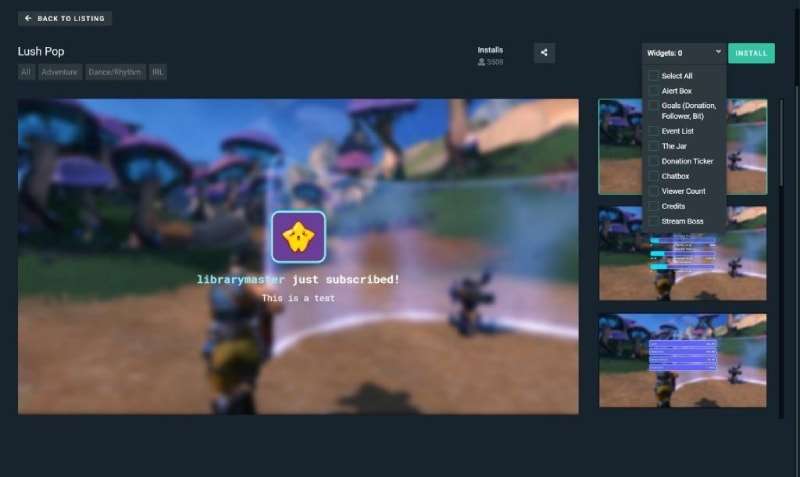
Alerts can display viewer interactions such as follows, subscriptions, or other supported events during a live stream. They can also be customized to better match a channel's branding and visual style.
Creator Monetization Tools:
Streamlabs also provides creator-focused tools related to tips, audience support, and other monetization workflows. Because these services may change over time, check the current Streamlabs offering before setting up a specific monetization feature.
2. How to Record Video with Streamlabs
Before recording, review your output settings carefully. Resolution, frame rate, bitrate, encoder, recording quality, and available storage can all affect video quality and system performance. Higher-quality settings generally create larger files and require more processing power.
Step 1: Install and Launch Streamlabs
Download and install the current Streamlabs desktop application, then launch it on your computer. Complete the initial setup and sign in if your recording or streaming workflow requires an account connection.
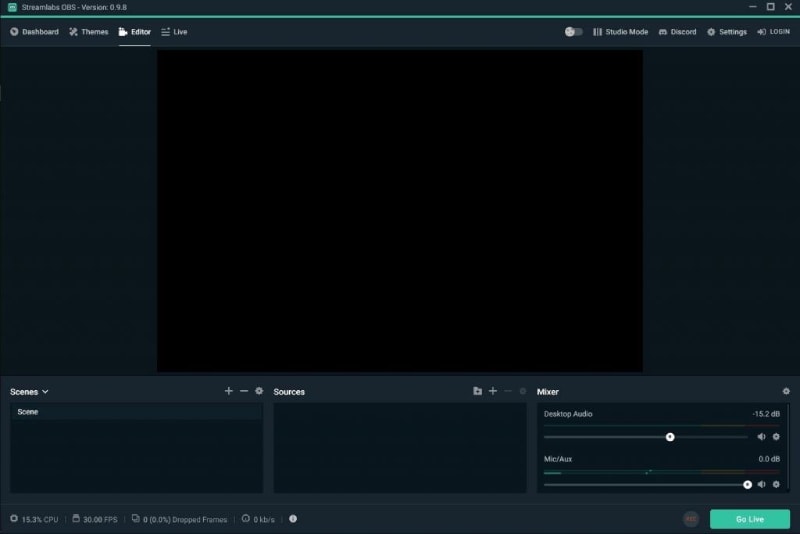
Step 2: Set Up the Recording and Streaming Settings
Configure the sources you want to capture and review your video, audio, encoder, resolution, frame rate, and output settings. If you also plan to stream, connect the appropriate streaming platform and configure the required broadcast settings.
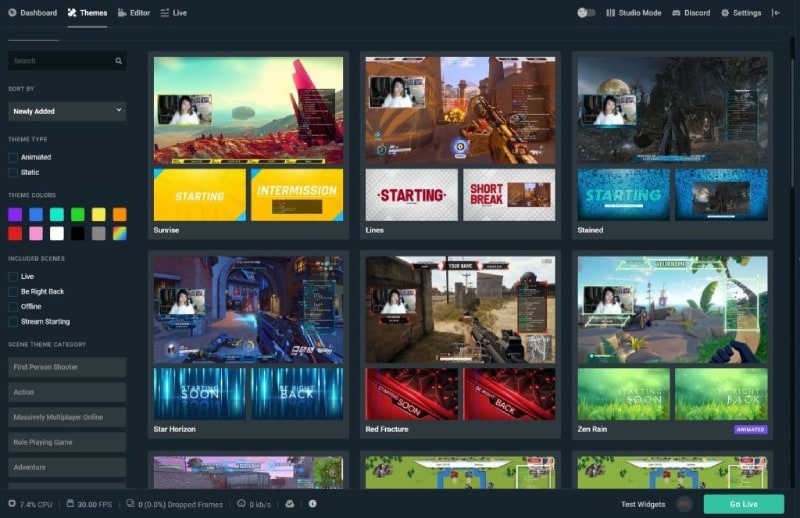
Step 3: Record or Go Live
Once your scenes, recording sources, and output settings are ready, start a local recording when you want to save the session to your computer. If you are broadcasting live, use the corresponding streaming controls after confirming that your account and platform settings are configured correctly.
There is no single bitrate setting that works for every recording. The appropriate value depends on your resolution, frame rate, encoder, computer performance, and desired output quality.
3. Alternative Way to Record Computer Screen
Streamlabs is primarily built around live streaming and recording workflows. If your main goal is to record your computer screen and then continue editing the captured footage, Wondershare Filmora Screen Recorder provides an integrated record-and-edit workflow.
Filmora can capture the full screen, a specific application window, or a selected area. You can also record system audio, microphone input, and camera video in the same recording session. After recording, the captured media can be edited directly in Filmora without first opening a separate video editor.
For Win 7 or later (64-bit)
For macOS 10.12 or later
Step 1: Open Filmora Screen Recorder
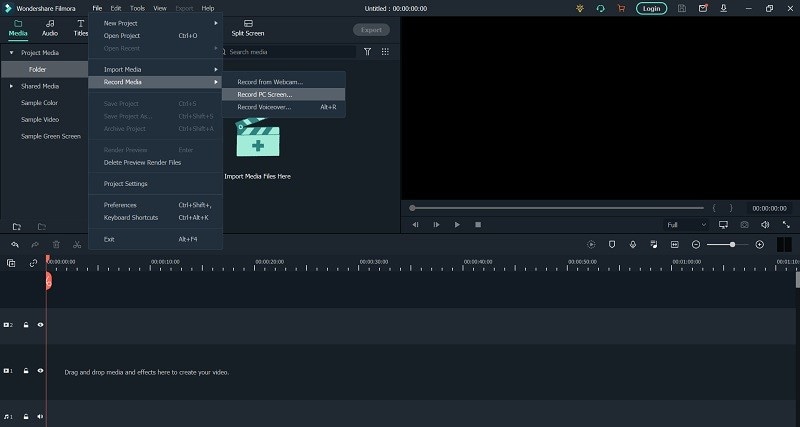
Launch Filmora and open the Screen Recorder from the startup window. If you are already inside the editing workspace, you can also access the recording tools from File > Record Media and choose the screen recording option.
Filmora also provides separate recording workflows for webcam and voiceover recording, while Windows users can access dedicated game recording options for supported gameplay scenarios.
Step 2: Choose the Screen Recording Area
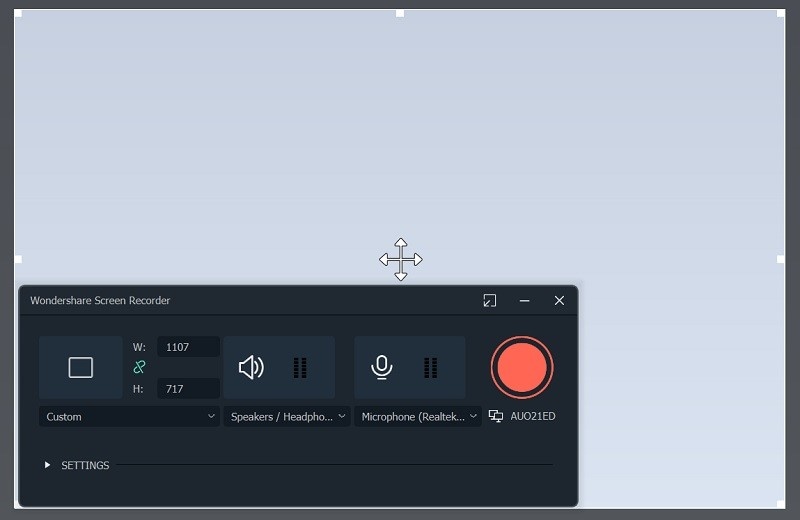
Choose what you want to capture before recording. Filmora supports full-screen recording, recording a selected area, and recording a specific application window. Use the option that best matches the content you want viewers to see.
Recording a selected area or application window can help keep unrelated desktop content outside the captured video.
Step 3: Set the Audio and Camera Sources
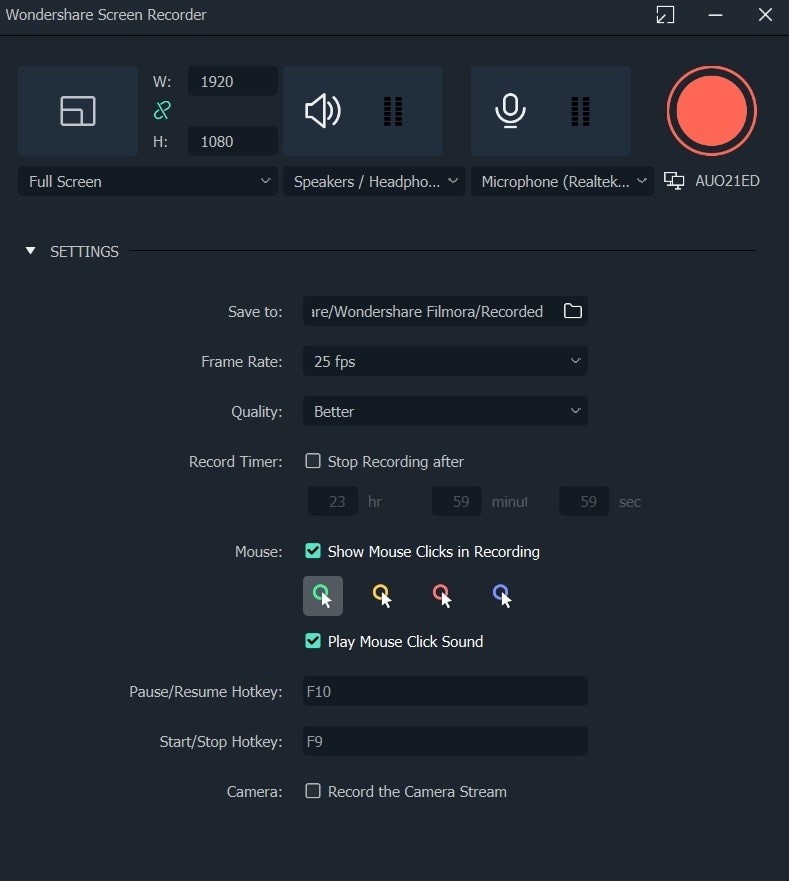
Before recording, choose the audio and camera sources you need. Enable System Audio if you want to capture sound playing on the computer, enable the Microphone when you need narration or commentary, and enable the Camera if you want to include a webcam or other supported camera source.
These sources can be used together in one recording session, which is useful for tutorials, software demonstrations, presentations, reaction videos, gameplay commentary, and other screen-based content.
Step 4: Start Recording and Highlight Important Content
After confirming the recording area and input sources, start the screen recording. During supported screen recording workflows, Filmora provides annotation tools that can help you draw, highlight, add text, insert shapes, or point to important areas on the screen.
This is especially useful for tutorials, software walkthroughs, lessons, presentations, and product demonstrations where viewers need to follow specific on-screen actions.
Step 5: Add Recording Markers When Needed
For longer recordings, add markers at important moments while recording when the current Filmora workflow supports them. These markers can help you find key sections faster when you review the recorded footage in the editor.
For example, you can place a marker when you finish an important section, notice a mistake, or reach a moment that will need extra editing later.
Step 6: Edit Your Recorded Video
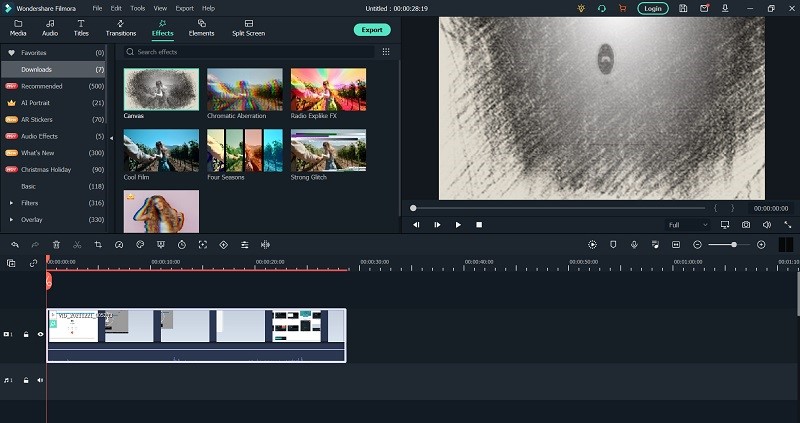
After the recording ends, the captured media can be added directly to Filmora's editing workflow. You can trim unwanted sections, adjust audio, add titles or captions, insert music, apply transitions and effects, and refine the screen recording before export.
This integrated workflow reduces the need to record the screen in one application and then manually move the recording into separate editing software.
Step 7: Export Your Screen Recording
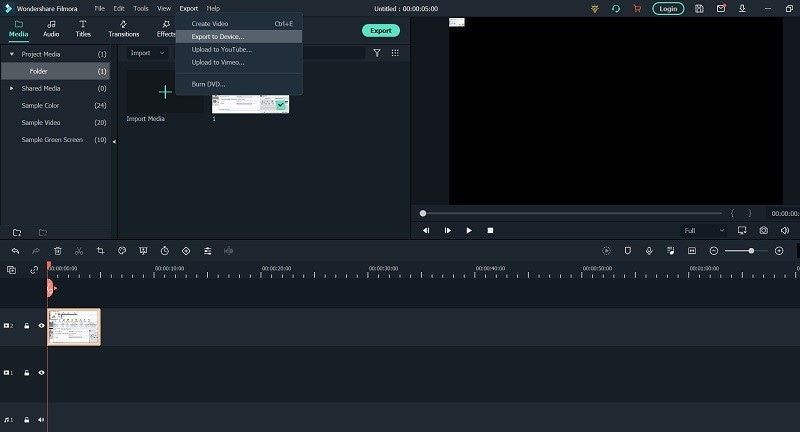
When editing is complete, click Export and choose the output settings required for your video. Select the appropriate format, resolution, and quality based on where the finished recording will be viewed or published.
Conclusion:
Streamlabs is designed primarily for creators whose workflow centers on live streaming, recording, overlays, alerts, and other broadcast-oriented tools. It remains relevant when live interaction and streaming platform integration are important parts of the production process.
For users who mainly need to capture a computer screen and then edit the result, Wondershare Filmora Screen Recorder provides another workflow. You can record a full screen, selected area, or application window together with system audio, microphone, and camera, then continue directly into video editing after the recording is complete.