
For the Best Results, Use the Latest Version.
-
Preparations
-
Account
-
Get Started & Basic Settings
-
Compatibility & Tech Specs
-
Performance Settings
-
-
Creating Projects
-
Creating New Projects
-
-
Importing & Recording
-
Video Editing for Windows
-
Basic Video Editing
- Enable/Disable Clip in Windows
- Magnetic Timeline for Windows
- Dual Monitor Setup for Video Editing on Windows
- Select All Clips on Timeline for Windows
- Timeline and Track Management
- Auto Ripple for Windows
- Split & Trim Video
- Crop & Pan & Zoom Video in Filmora for Windows
- Compositing
- Change Video Speed on Windows
- Reverse Video for Windows
- Mark In and Mark Out for Windows
- Markers for Windows
- Group editing
- Customizable Backgrounds for Videos and Images in Windows
- Video Snapshot
- Using Freeze Frame in Filmora for Windows
- Logo Reveal For Windows
- Auto Enhance in Filmora for Windows
- Applying drop shadow
- Adjustment layer for Windows
- Apply Transforming for Windows
- Video Editing Ruler – Windows
-
Advanced Video Editing
- Keyframe Motion Blur for Windows
- Drawing Tools for Windows | Filmora Guide
- Camera Tracking for Windows
- Create Multi-Camera Clip in Filmora for Windows
- Compound Clip for Windows
- Multi-Clip Editing for Windows
- Filmora Motion Blur | Windows
- 360° Video Reframing for Windows
- Track Matte for Windows
- Video Chapters in Filmora on Windows
- Filmora Flicker Removal Guide | Windows
- Create Multi-Screen Videos in Filmora on Windows
- Masking in Filmora on Windows
- Creating a PIP Effect for Windows
- Keyframe Graph Editor for Windows
- Animation Keyframing for Windows
- Keyframe Path Curve
-
AI-Powered Video Editing
- Smart Scene Cut for Windows
- Smart Short Clips for Windows
- AI Face Mosaic for Windows
- Filmora AI Eye Contact- Windows
- AI Video Enhancer for Windows
- AI Text-to-Video for Windows
- Planar Tracking for Windows
- AI Idea to Video for Windows
- AI Media Analysis for Windows
- Filmora Image to Video for Windows
- Filmora Image to Prompt for Windows
- Instant Cutter Tool for Windows
- AI Extend
- Filmora AI Relight - Windows
- Filmora AI Image Enhancer Guide - Windows
- AI Script to Video Guide for Windows
- AI Text-Based Editing for Windows
- AI Mate Editing for Windows
- Instant Mode for Windows
- ChatGPT Plugin - AI Copywriting
- AI Smart Cutout for Windows
- Lens correction on Windows
- Auto Reframe Video for Windows
- AI Portrait Cutout
- Scene Detection for Windows
- AI Smart Masking for Windows
- Motion Tracking on Windows
- Video Stabilization for Windows
- AI Video/Photo Object Remover for Windows
- AI Smart Search for Windows
- AI Skin Tone Protection for Windows
- AI Image for Windows
- Chroma Key (Green Screen) for Windows
- Super Slow Motion with Optical Flow for Windows
- Video Denoise for Windows
-
-
Audio Editing for Windows
-
Basic Audio Editing
-
Advanced Audio Editing
-
AI-Powered Audio Editing
- Auto synchronization
- AI Sound Effects in Filmora for Windows
- Smart BGM Generation on Windows
- AI Voice Enhancer in Filmora
- AI Voice Cloning in Wondershare Filmora
- AI Music Generator for Windows
- Audio To Video
- AI Vocal Remover for Windows
- AI Auto Beat Sync for Windows
- AI Audio Stretch for Windows
- AI Audio Denoise for Windows
- Silence Detection on Windows
-
-
Text Editing for Windows
-
Basic Text Editing
-
Advanced Text Editing
-
AI-Powered Text Editing
-
-
Video Customizations
-
Video Effects
- Filmora VST3 Plugins for Windows
- Filmora OpenFX Plugins for Windows
- Retouch Guide for Windows
- Filmora Pen Tool Tutorial: Motion Paths & Animation Guide
- Animated Charts
- Mocha Filmora - For Windows
- Different Types of Video Effects
- NewBlue FX effects
- Boris FX effects | Filmora Windows Guide
- Body Effects for Windows
- Filmora -Filmstock Asset
-
Audio Effects
-
Transitions
-
Stickers
-
Filters
-
Color Editing
-
Animations
-
Templates
-
Asset Center
-
-
Exporting & Share & Cloud Backup
Custom Color Layer for Windows
If you want to set a unique mood for your video montage while enhancing the color tone across all clips, this new feature in Filmora is for you. The custom color layer feature allows you to create and apply your own solid or gradient color layers over your video clips for creative effects and color grading. You can generate your own solid overlays and save them as custom to apply instantly in future videos.
The feature is ideal for mood settling, creating brand consistency, and stylization across clips. To learn how to use this feature, read the steps mentioned below:
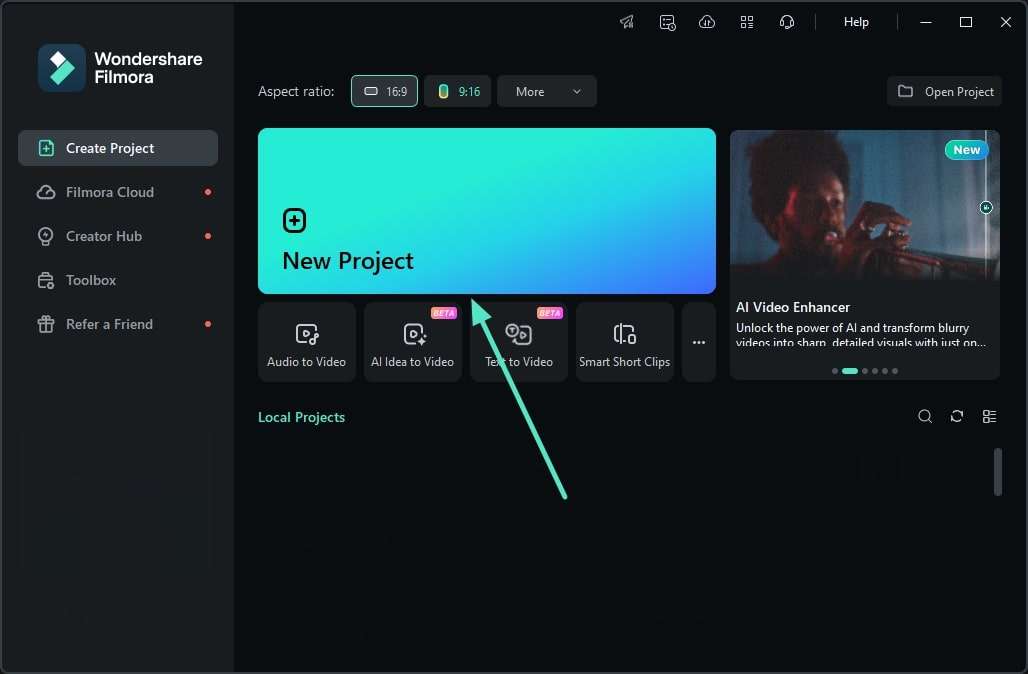
Step 1: Launch Filmora and Create a New Project
To begin the process, launch Wondershare Filmora on your device and press the New Project option from the homepage. Next, import the videos of your choice on which you want to apply color grading.
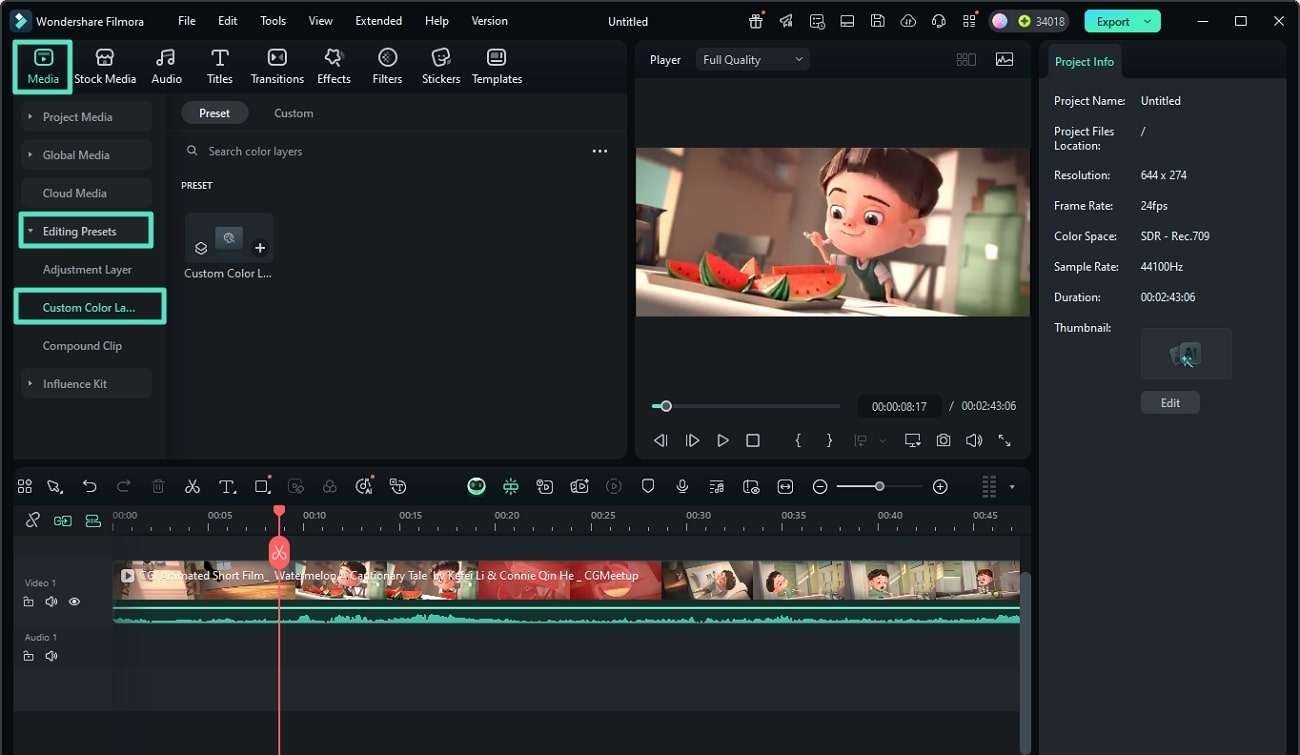
Step 2: Access the Custom Color Layer Option
In the editing interface of Filmora, head to the Media section from the top toolbar and enable the Editing Presets section. Next, click on the Custom Color Layer option to enable the customization window.
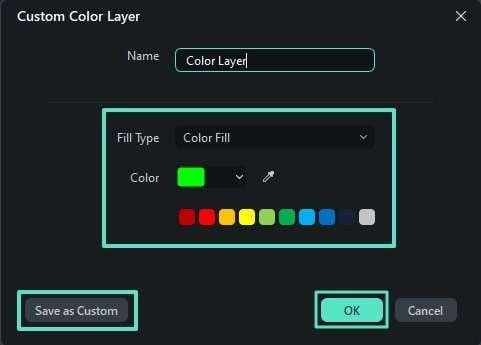
Step 3: Customize the Color Layer and Save
Name the layer and expand the Fill Type to choose your desired filling style. Next, select the shade by accessing the Color option. Once the color for the layers is selected, tap on the Save as Custom option. Rename the custom layer and press the OK button to save the changes.
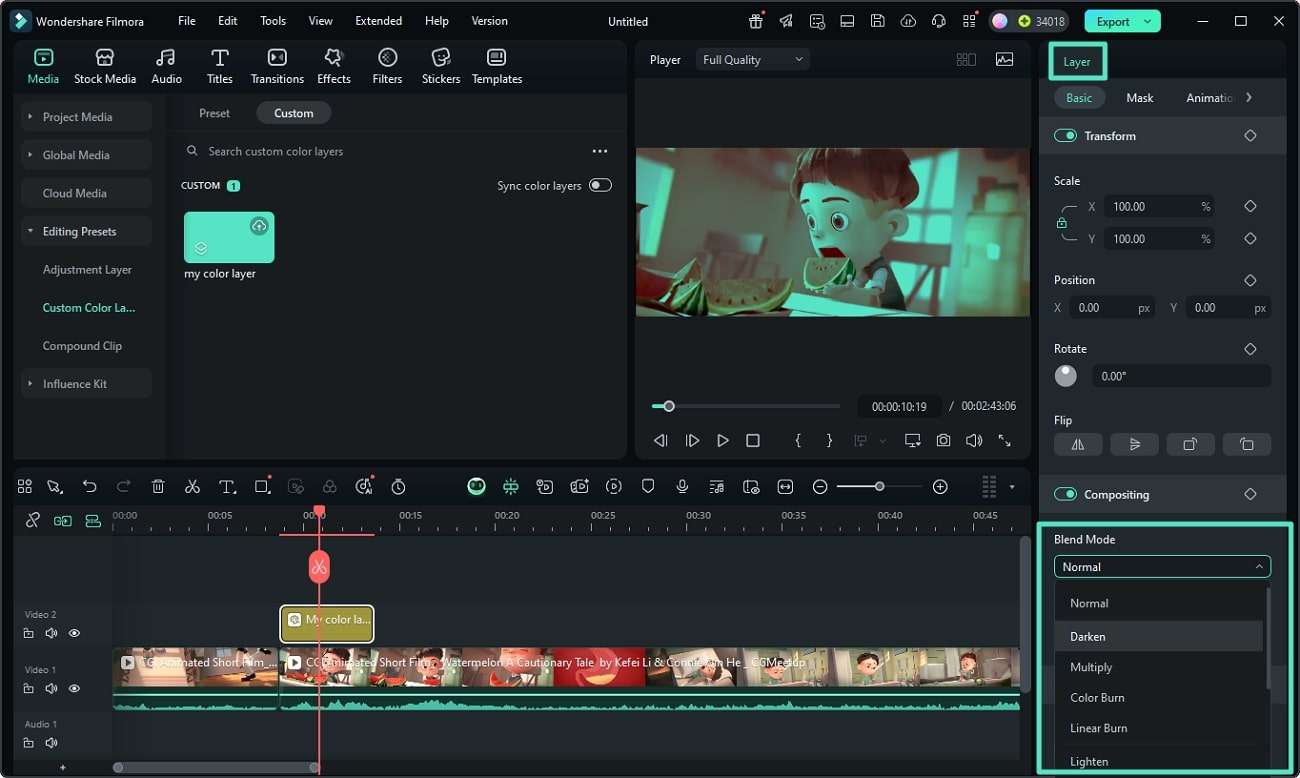
Step 4: Apply The Custom Color Layer to the Clips
To apply the layer, drag it to the editing timeline in the area of the video or press the + icon to apply it. Head to the Layer panel on the right side and choose the Blend Mode by expanding its drop-down menu.
Step 5: Apply Color Layer as Mask
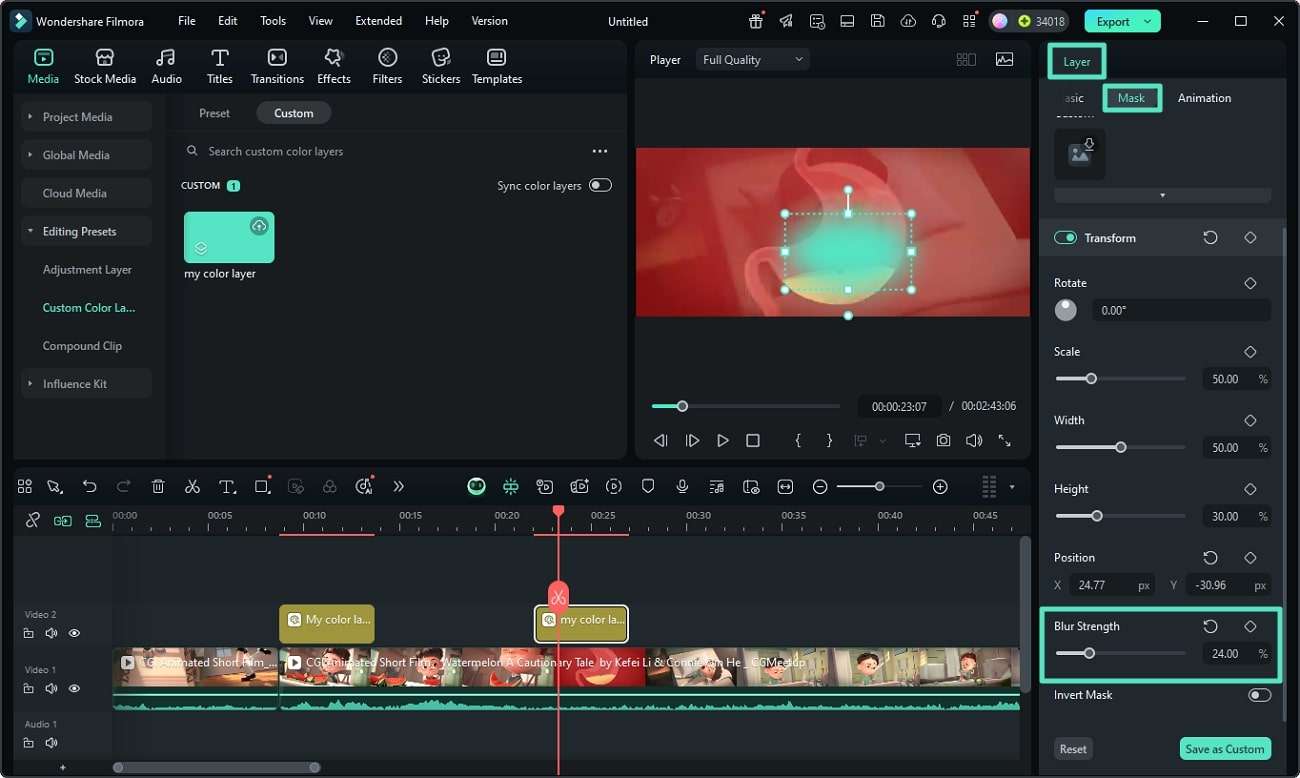
Lead into the Layer panel on the right and enable the Mask section. Choose the shape of the mask and adjust different attributes like Blur Strength.
Step 6: Add Animation to the Layer
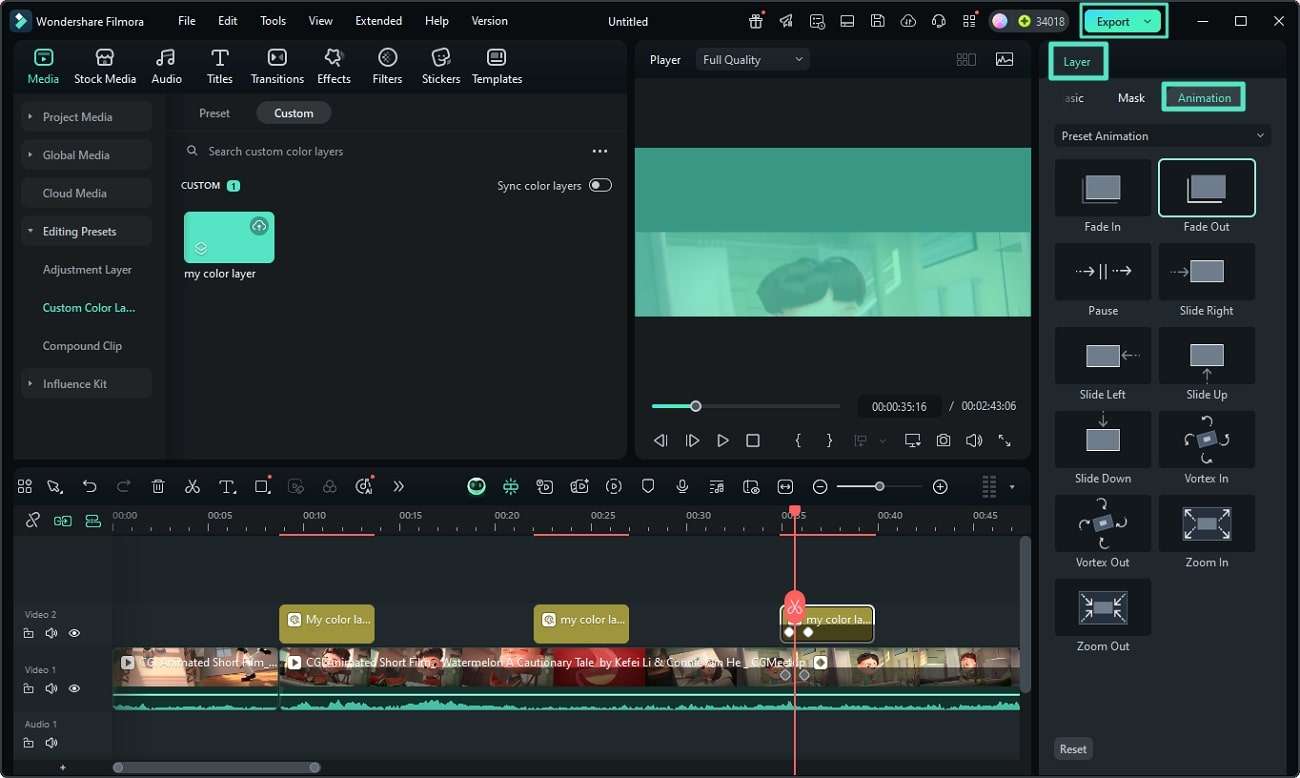
Access the Animation section from the Layer panel after applying the layer to a specific segment of the video. Now select the preset for animation to apply to the layer, preview the results in the preview window and finally press the Export button to save the final results.
Related Posts
Featured Articles
Cyberpunk Filter: Turn Photos into Cyberpunk Styles with AI
Transform your photos into stunning cyberpunk art with AI-powered filters. Create neon-drenched, cinematic edits effortlessly using Filmora.
The Best Format Video For Twitter/X: Discussing The Details
Are you in search of ways to generate videos that have a universal format? Read this article to learn about the best Twitter video formats for expanded usability.
Free Birthday Video Maker With Music, Template and Effects
A well-made birthday video could just be the best gift to give to a loved one. Find out how a birthday video maker can help you create the perfect present.
Recommended User Guide
Advanced Color Adjustment | Windows
Amongst Filmora's many features for color correcting and adjustment.
Color Mask for Windows
Learn how to use Color Mask in Filmora for Windows to apply color and tonal adjustments to selected areas of your video with grading layers and adjustable masks.