
For the Best Results, Use the Latest Version.
-
Preparations
-
Account
-
Get Started & Basic Settings
-
Compatibility & Tech Specs
-
Performance Settings
-
-
Creating Projects
-
Creating New Projects
-
-
Importing & Recording
-
Video Editing for Windows
-
Basic Video Editing
- Enable/Disable Clip in Windows
- Magnetic Timeline for Windows
- Dual Monitor Setup for Video Editing on Windows
- Select All Clips on Timeline for Windows
- Timeline and Track Management
- Auto Ripple for Windows
- Split & Trim Video
- Crop & Pan & Zoom Video in Filmora for Windows
- Compositing
- Change Video Speed on Windows
- Reverse Video for Windows
- Mark In and Mark Out for Windows
- Markers for Windows
- Group editing
- Customizable Backgrounds for Videos and Images in Windows
- Video Snapshot
- Using Freeze Frame in Filmora for Windows
- Logo Reveal For Windows
- Auto Enhance in Filmora for Windows
- Applying drop shadow
- Adjustment layer for Windows
- Apply Transforming for Windows
- Video Editing Ruler – Windows
-
Advanced Video Editing
- Keyframe Motion Blur for Windows
- Drawing Tools for Windows | Filmora Guide
- Camera Tracking for Windows
- Create Multi-Camera Clip in Filmora for Windows
- Compound Clip for Windows
- Multi-Clip Editing for Windows
- Filmora Motion Blur | Windows
- 360° Video Reframing for Windows
- Track Matte for Windows
- Video Chapters in Filmora on Windows
- Filmora Flicker Removal Guide | Windows
- Create Multi-Screen Videos in Filmora on Windows
- Masking in Filmora on Windows
- Creating a PIP Effect for Windows
- Keyframe Graph Editor for Windows
- Animation Keyframing for Windows
- Keyframe Path Curve
-
AI-Powered Video Editing
- Smart Scene Cut for Windows
- Smart Short Clips for Windows
- AI Face Mosaic for Windows
- Filmora AI Eye Contact- Windows
- AI Video Enhancer for Windows
- AI Text-to-Video for Windows
- Planar Tracking for Windows
- AI Idea to Video for Windows
- AI Media Analysis for Windows
- Filmora Image to Video for Windows
- Filmora Image to Prompt for Windows
- Instant Cutter Tool for Windows
- AI Extend
- Filmora AI Relight - Windows
- Filmora AI Image Enhancer Guide - Windows
- AI Script to Video Guide for Windows
- AI Text-Based Editing for Windows
- AI Mate Editing for Windows
- Instant Mode for Windows
- ChatGPT Plugin - AI Copywriting
- AI Smart Cutout for Windows
- Lens correction on Windows
- Auto Reframe Video for Windows
- AI Portrait Cutout
- Scene Detection for Windows
- AI Smart Masking for Windows
- Motion Tracking on Windows
- Video Stabilization for Windows
- AI Video/Photo Object Remover for Windows
- AI Smart Search for Windows
- AI Skin Tone Protection for Windows
- AI Image for Windows
- Chroma Key (Green Screen) for Windows
- Super Slow Motion with Optical Flow for Windows
- Video Denoise for Windows
-
-
Audio Editing for Windows
-
Basic Audio Editing
-
Advanced Audio Editing
-
AI-Powered Audio Editing
- Auto synchronization
- AI Sound Effects in Filmora for Windows
- Smart BGM Generation on Windows
- AI Voice Enhancer in Filmora
- AI Voice Cloning in Wondershare Filmora
- AI Music Generator for Windows
- Audio To Video
- AI Vocal Remover for Windows
- AI Auto Beat Sync for Windows
- AI Audio Stretch for Windows
- AI Audio Denoise for Windows
- Silence Detection on Windows
-
-
Text Editing for Windows
-
Basic Text Editing
-
Advanced Text Editing
-
AI-Powered Text Editing
-
-
Video Customizations
-
Video Effects
- Filmora VST3 Plugins for Windows
- Filmora OpenFX Plugins for Windows
- Retouch Guide for Windows
- Filmora Pen Tool Tutorial: Motion Paths & Animation Guide
- Animated Charts
- Mocha Filmora - For Windows
- Different Types of Video Effects
- NewBlue FX effects
- Boris FX effects | Filmora Windows Guide
- Body Effects for Windows
- Filmora -Filmstock Asset
-
Audio Effects
-
Transitions
-
Stickers
-
Filters
-
Color Editing
-
Animations
-
Templates
-
Asset Center
-
-
Exporting & Share & Cloud Backup
Filmora Image to Prompt for Windows
The Image-to-Prompt feature helps users generate detailed prompts directly from reference visuals, making it easier to control style, structure, and motion in AI video creation. By analyzing images or videos, it extracts prompt information that can be reused to recreate similar visual aesthetics in future generations.
This capability also allows creators to refine prompts for better image-to-video results and maintain consistent visual styles across multiple outputs. By editing and adjusting the extracted prompts, users can quickly improve motion accuracy, replicate design elements, and enhance overall video quality with greater creative control.
When to Use
- Replicate a specific visual style using reference images or video clips.
- Achieve more precise control over scene composition and motion in AI-generated videos.
- Maintain a consistent visual theme across multiple video generations.
- Enhance Image-to-Video (I2V) output quality by refining and improving prompts.
Supported Inputs & Best Uses
- Single Image → Prompt: Analyze one image to capture and reuse its visual style.
- Start Frame + End Frame → Prompt: Guide motion transitions and improve scene continuity.
- Multiple Reference Images → Prompt: Merge elements from several images to build a richer style.
- Video Clip → Prompt: Study a video’s pacing and aesthetics to recreate a similar look.
- Prompt Editing (After Extraction): Adjust style, details, and instructions to achieve better results before generating the final video.
Steps to Use the Image to Prompt Feature
Index
For Image to Video
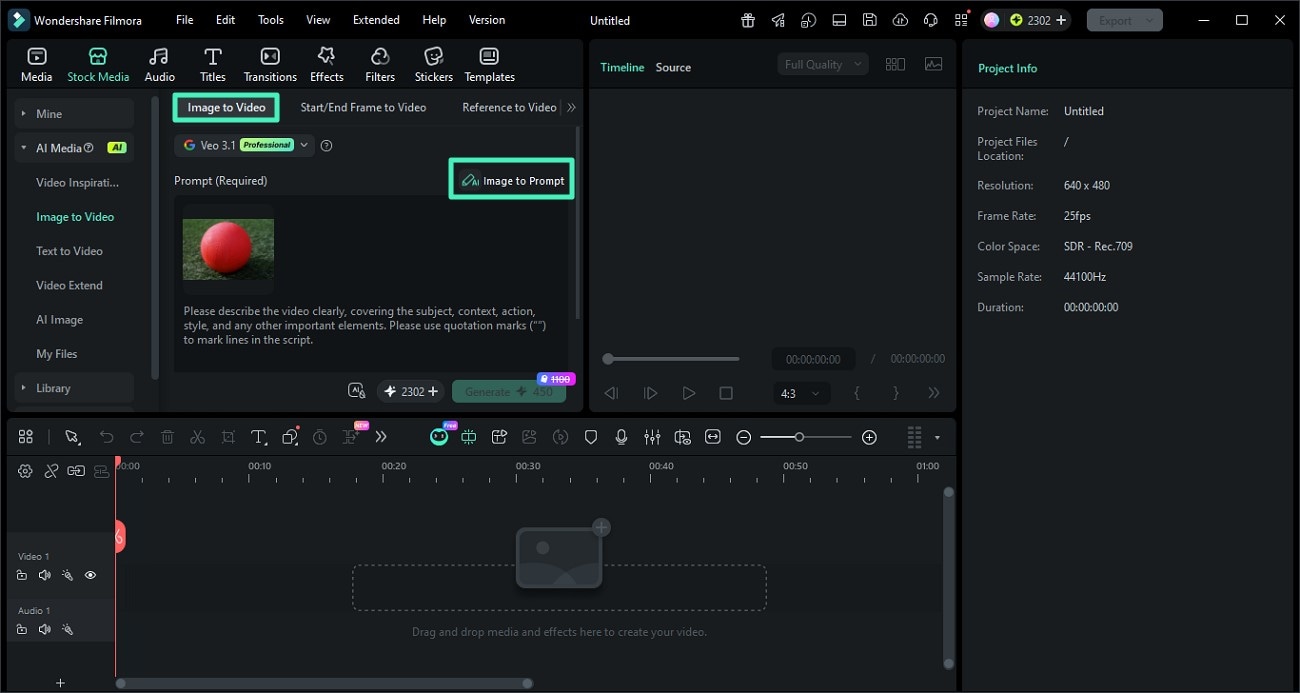
Step 1. Upload Image Choose Image to Prompt
Upload the image to the tool’s interface after selecting the Image to Video feature. Now, locate the Image to Prompt option and click on it to generate the prompt.
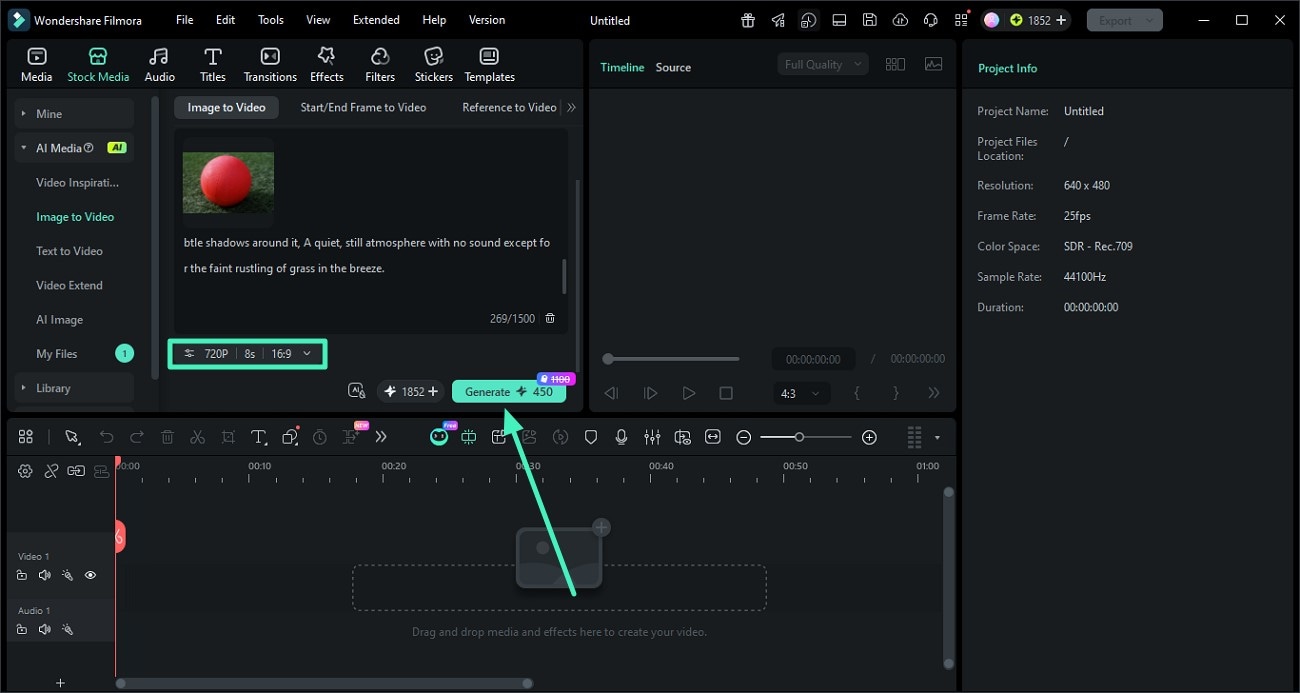
Step 2. Select Setting and Generate Video
Once the prompt is generated, select the resolution of the video and configure the aspect ratio and duration. Hit the Generate button to execute the generation process.
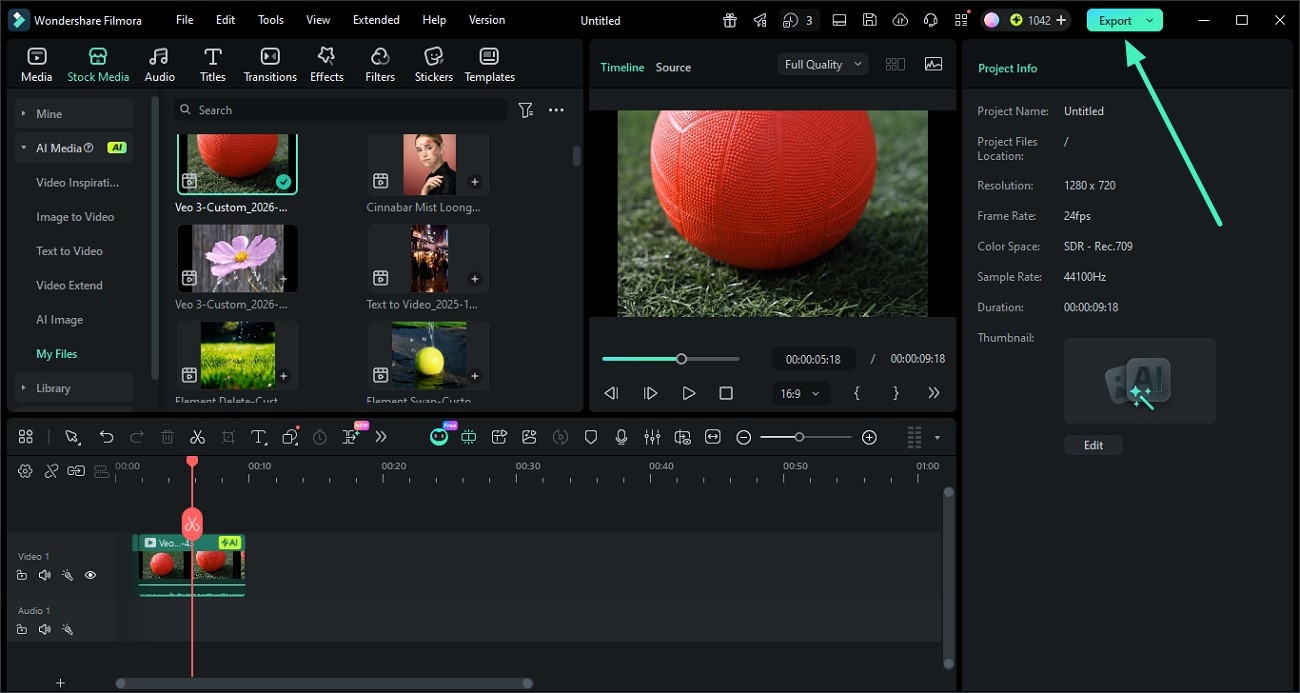
Step 3. Review Results and Export
After the successful generation of the video, press the Export button to save the results.
For Start/End Frame to Video
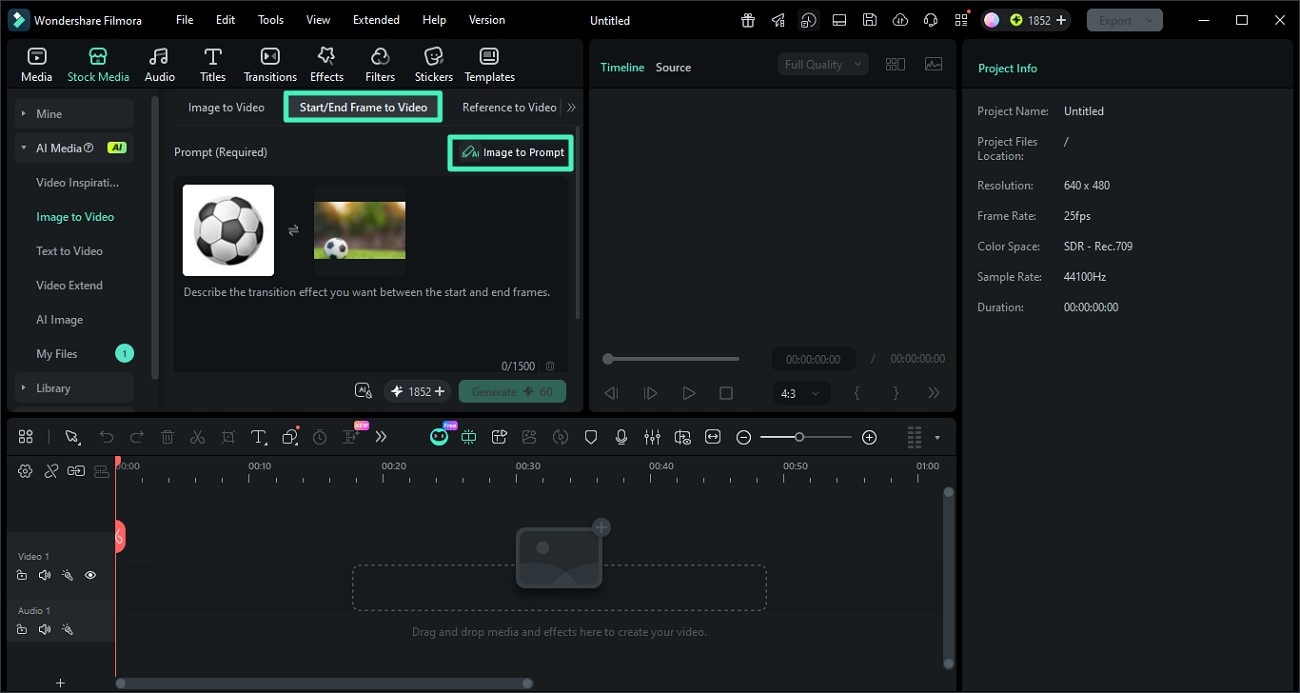
Step 1. Upload Frame Images Generate Prompt
Import the start and end frames using the designated options. Next, locate the Image to Prompt option and click on it.
Step 2. Review Prompt Generate Video
When the prompt is generated by AI, review it and select the resolution and duration for the video. Now, press the Generate button to let the tool start generating the video.
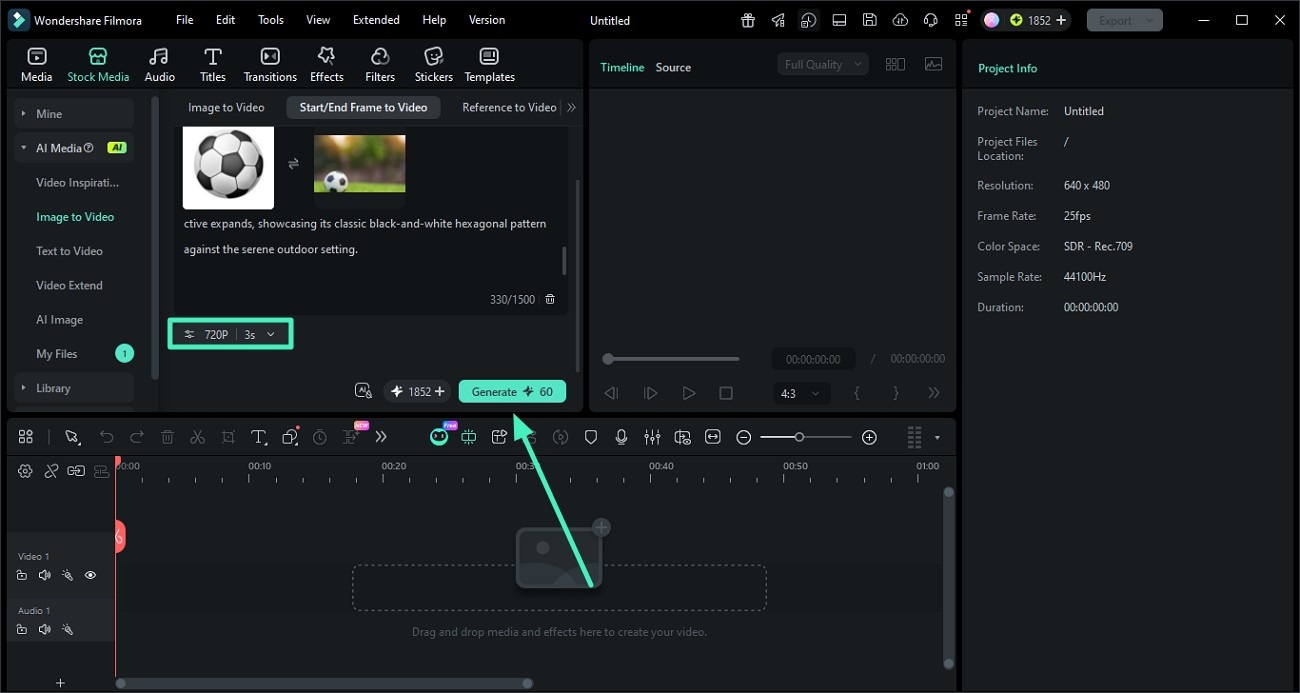
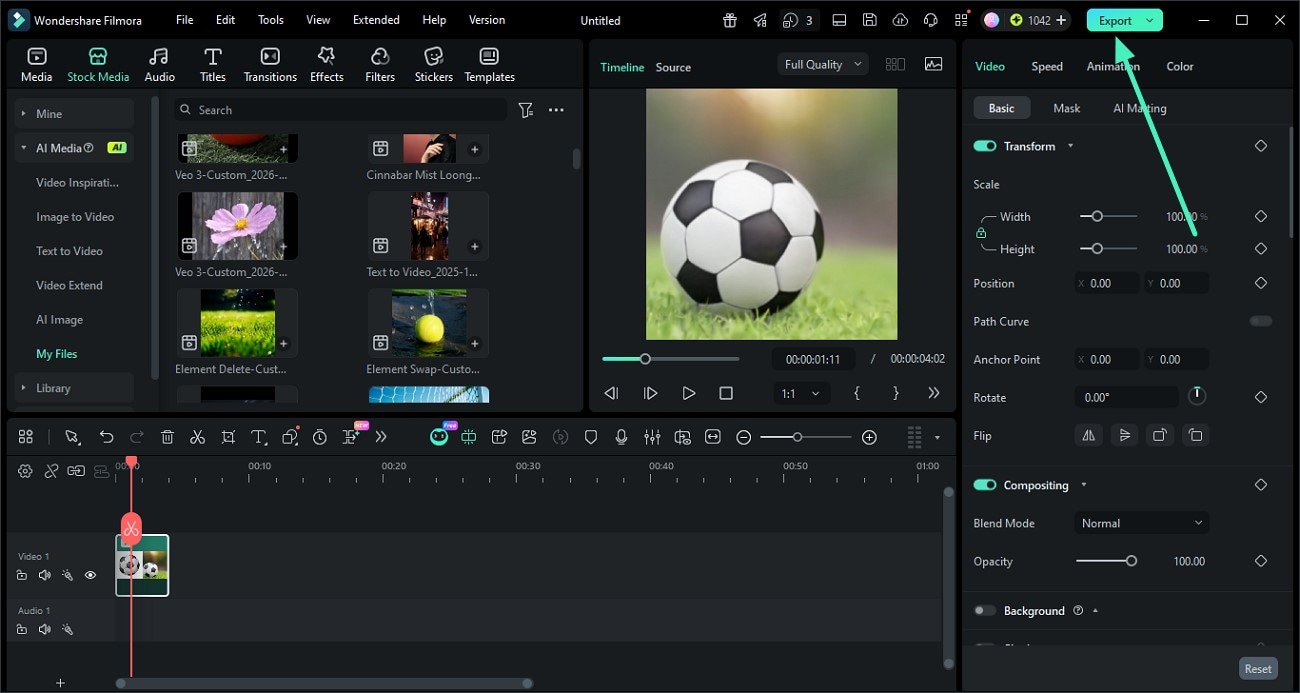
Step 3. Preview Video and Save
Once the video is generated, press the Export button to save the generated results to your device.
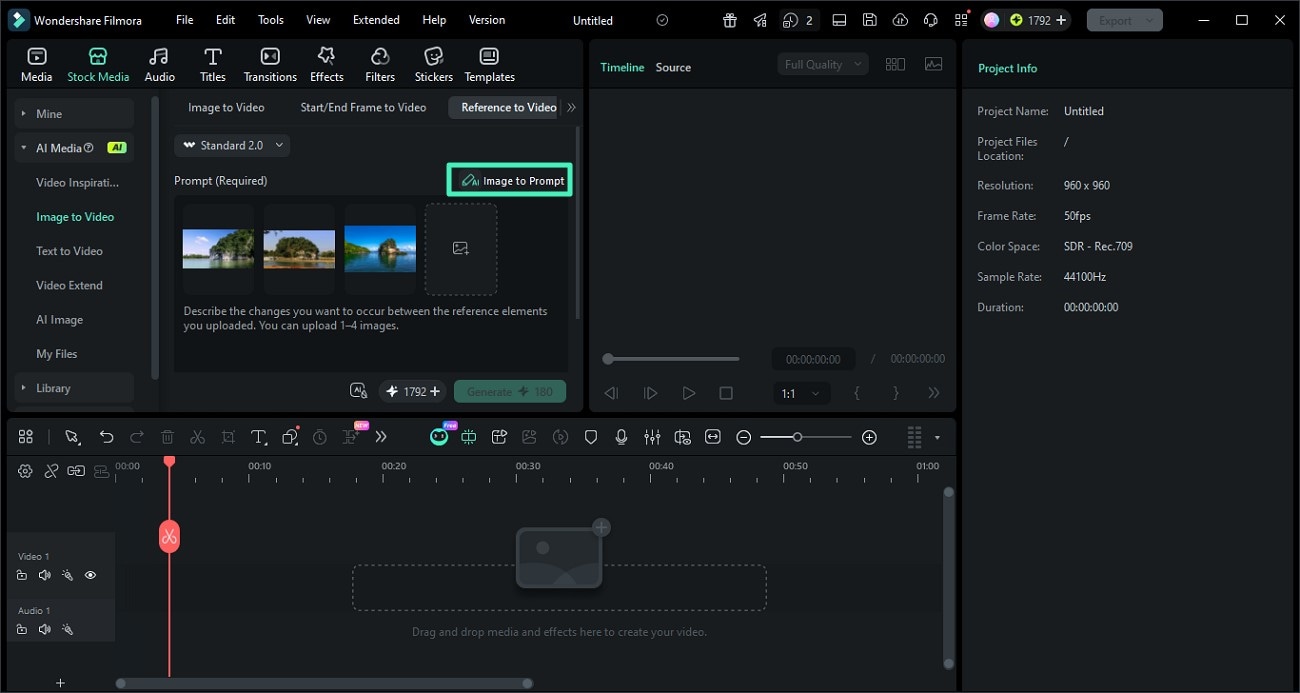
For Reference to Video
Step 1. Import Frames and Choose Image to Prompt
After selecting the Reference to Video feature, upload multiple reference images. Next, press the Image to Prompt option to generate a prompt.
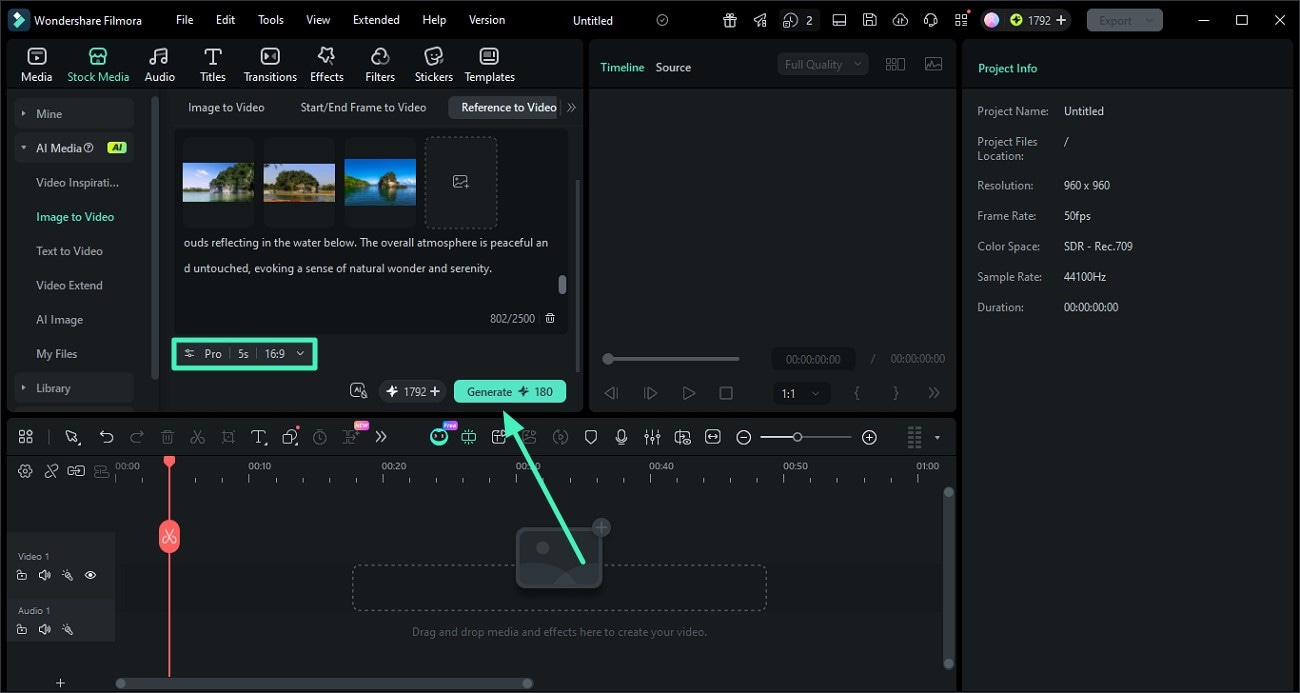
Step 2. Configure Settings and Generate
When the prompt is generated, preview it and make changes if required. Select the quality, duration, and aspect ratio for the video, and hit the Generate button.
Step 3. Check Results and Save Video
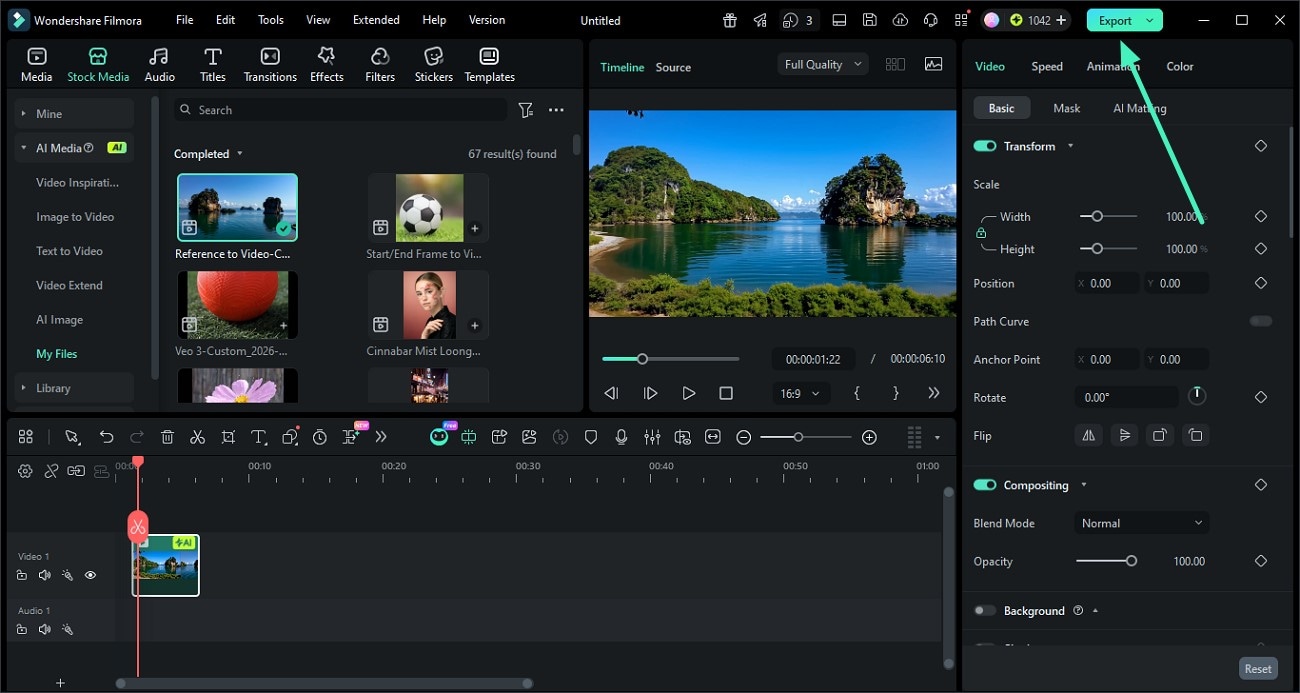
Once the video is generated against the prompt, click Export to save the results.
Related Posts
Featured Articles
How to Create Glowing Text in Photoshop?
Learn the step by step guide to make a text glow effect in photoshop and an easier alternative.
How To Make Vertical Video Online Top Methods Without Quality Loss
Make a vertical video with simple steps. Optimize videos for social media and mobile screens. Discover the best methods and tools.
How to Uplift Your Video Projects with Multi Camera Setup: Step-by-Step Guide
Learn how to level up your video projects with a multi-camera setup. Follow this step-by-step guide to enhance your content with multicam in Adobe Premiere Pro.
Recommended User Guide
Auto Reframe Video for Windows
This is a guide on Filmora auto reframing.
AI Video Enhancer for Windows
Learn how to use AI Video Enhancer in Filmora for Windows to improve video quality, enhance clarity, and recover details with Dark Night View, Bright Night View, and AI-powered enhancement.
AI Script to Video Guide for Windows
Here is the guide on how to use the AI Script to Video feature on Windows.